Choosing Roof Tiles in Taunton: Double Roman Clay vs Concrete Interlocking vs Natural Slate (2026 Costs)
Choosing roof tiles in Taunton usually comes down to three options: clay Double Romans, concrete interlocking tiles or natural slate. On a typical three-bed semi with around 80m² of roof slope, the gap between the cheapest and dearest of those is £6,000-£10,000, so it's worth getting right before the scaffold goes up. Taunton gets roughly 750-850mm of rain a year, a good third less than the UK average of about 1,160mm, but the Quantocks and Blackdowns either side of the town can see 1,000mm or more, and villages on the higher ground take the worst of the south-westerly weather. Most roofs here are one of three things: orange clay Double Romans on older cottages, concrete Double Romans on the post-war estates, and Welsh slate on the Victorian terraces. This guide compares all three on price, weight, lifespan, pitch and looks, so you can pick the right tile for your house and your street.
Choosing Roof Tiles in Taunton: The Three Main Options
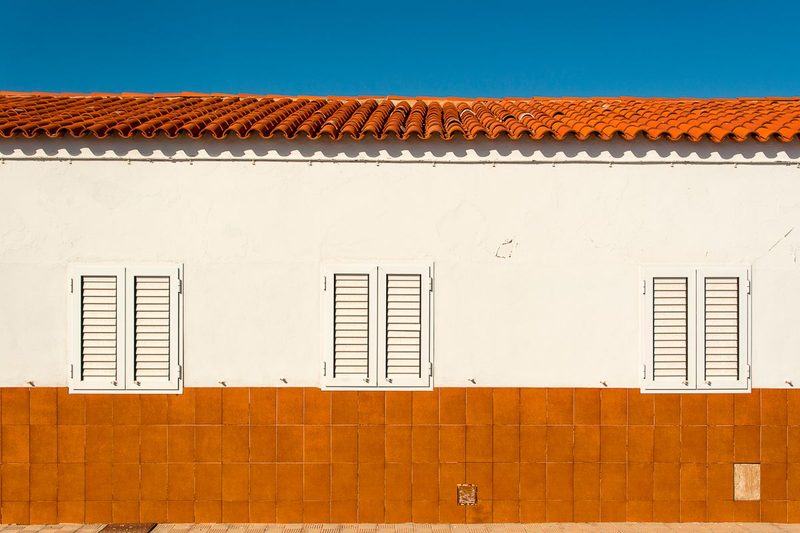
Around 60% of UK pitched roofs are covered in concrete tiles, and Taunton is no exception once you get onto the estates built from the 1950s onwards. Concrete Double Romans in a brown or red finish were picked because they looked a bit like the clay tiles Somerset already had, at a fraction of the cost. Clay Double Romans are the older Somerset roof, and natural slate arrived in volume in the 19th century with the canal and the railway.
Concrete is the budget option. Clay costs more but lasts far longer and weathers well. Natural slate is the lightest of the three and the longest-lived when it's good quality, but it costs the most to fit because every slate is nailed individually. If you're not sure which you've got, or whether yours is worth repairing rather than replacing, Roof Repairs Taunton can look at it and tell you what you're working with before you start pricing a re-roof.
The right answer depends on your budget, what the roof structure can carry, the pitch, and what the neighbours have. People tend to underrate that last one.
Roof Tile Costs in Taunton: Per m² and for a Whole Semi
Here's what a full strip and re-roof typically costs around Taunton in 2026, on a semi with about 80m² of slope. Prices include new breathable membrane, treated battens, ridge, verges and labour. Scaffolding is extra.
- Concrete interlocking Double Roman: £65-£95 per m², or £6,500-£9,000 for a typical semi.
- New clay Double Roman: £95-£140 per m², or £8,500-£12,500.
- Spanish natural slate: £100-£150 per m², or £9,000-£13,000.
- Welsh natural slate: £150-£220 per m², or £13,000-£19,000.
- Reclaimed clay Double Roman: £110-£160 per m², or £10,000-£14,000.
Add £1,200-£2,500 for scaffolding on a two-storey semi, depending on access and how many weeks it stays up. Chimney work, new leadwork and fascias can add another £1,000-£3,000.
Why slate costs more to fit
Interlocking tiles cover a lot of roof quickly. A concrete Double Roman covers roughly a tenth of a square metre, so you need about 9-10 per m². Natural slate needs 18-25 per m² depending on size, each nailed twice and laid with a bigger overlap. A slate roof takes roughly twice as long to lay as a concrete one, and labour is usually 50-60% of the bill on any re-roof.
Weight and Pitch: What Your Roof Can Actually Take
Weight gets overlooked. Concrete interlocking tiles weigh around 45-50kg per m². Clay Double Romans are similar, at roughly 40-50kg per m². Natural slate is much lighter, at about 25-35kg per m². On an 80m² roof, that's a difference of over 1.5 tonnes between concrete and slate.
Switching from slate to concrete
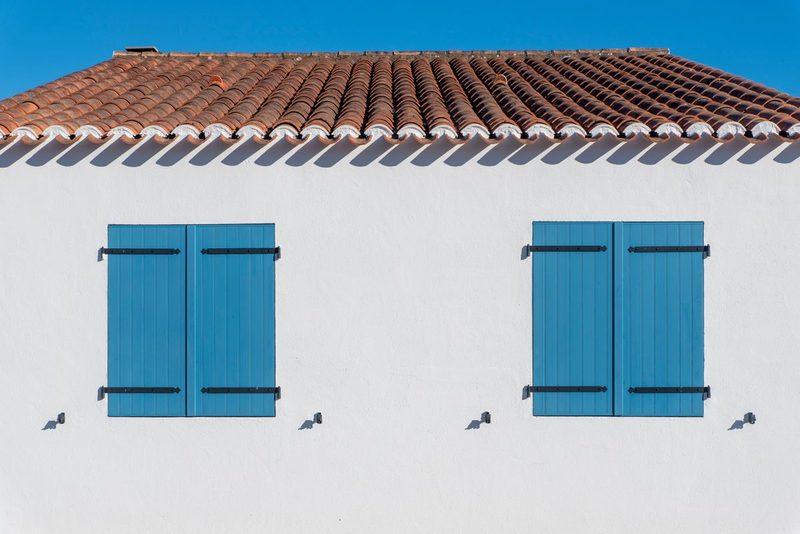
This is where people come unstuck. A Victorian terrace built for slate has rafters sized for slate. Put concrete tiles on it and you can add 50-80% more weight, and over time the roof sags, the ridge dips and the walls can be pushed outwards. Re-roofing with a heavier covering counts as a material change under building regulations, so you'll need building regulations approval and often a structural calculation. Going the other way, from concrete to slate, takes weight off and is rarely a structural problem, though the battens will need resetting to a different gauge.
Minimum pitch
Most concrete Double Romans are rated down to about 22.5°, with some low-pitch interlocking tiles going to 17.5°. Clay Double Romans usually need 22.5-30° depending on the maker. Natural slate depends on its size: a large 600x300mm slate can go to around 20° in a sheltered spot, but smaller slates need 25° or more. On an exposed roof towards the Blackdowns, roofers will often add a few degrees to these figures for driven rain.
Lifespan and Frost Resistance in Somerset's Climate
Here's roughly how long each tile lasts, assuming a decent product fitted properly:
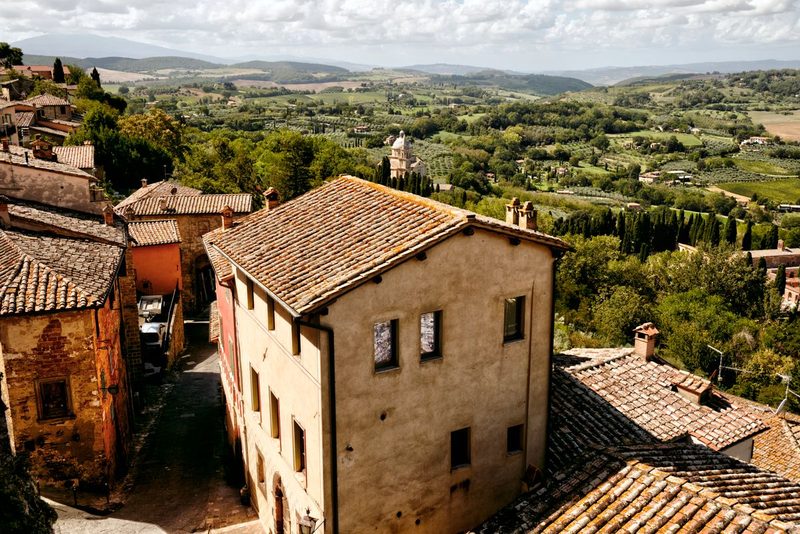
- Concrete interlocking: 40-60 years. The surface wears, colour fades, and moss takes hold on north-facing slopes.
- Clay Double Roman: 60-100 years. Clay weathers rather than wears, and the colour usually improves.
- Spanish slate: 60-100 years for good quarries, much less for the cheapest grades.
- Welsh slate: 100-150 years. The nails tend to fail long before the slate.
Frost is less of a worry in Taunton than in much of the UK. The town sees around 30-40 air frosts a year against a UK figure closer to 50, according to Met Office climate averages. The bigger risk here is wet: around 120-130 rain days a year means tiles stay damp for long stretches, and porous clay or poor slate can then crack in a hard cold snap. Make sure any new clay tile meets the frost resistance test in BS EN 539-2, and any slate meets BS EN 12326 with a low water absorption figure (0.3% or less is a good sign).
Moss is the other Somerset problem. Concrete tiles grow moss faster than clay or slate because of their rougher surface, and in damp, mild Taunton winters it builds up quickly on north and east slopes. Expect to clear it every 5-8 years on concrete.
Matching the Look of Taunton Streets
A re-roof that doesn't match the neighbours is very obvious from the road, and it can knock value off a house. On a pair of semis, a mismatch is even more noticeable because the ridge runs straight across both roofs.
Clay Double Romans and the Bridgwater heritage
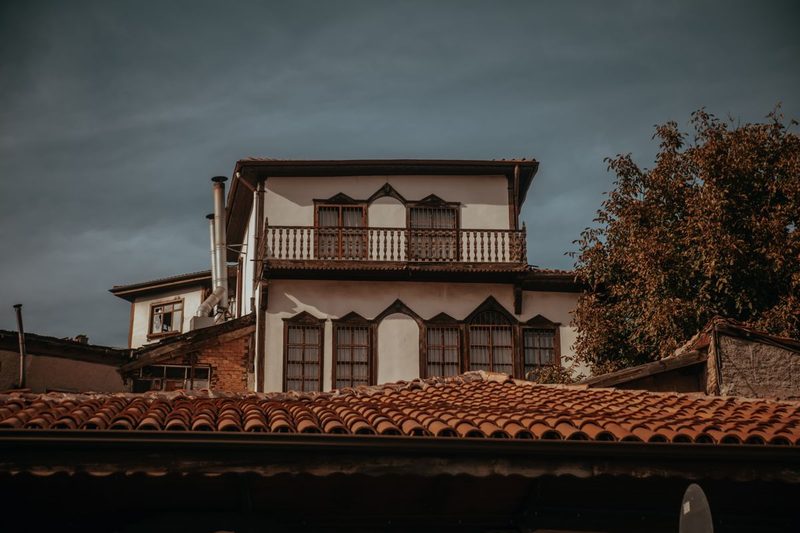
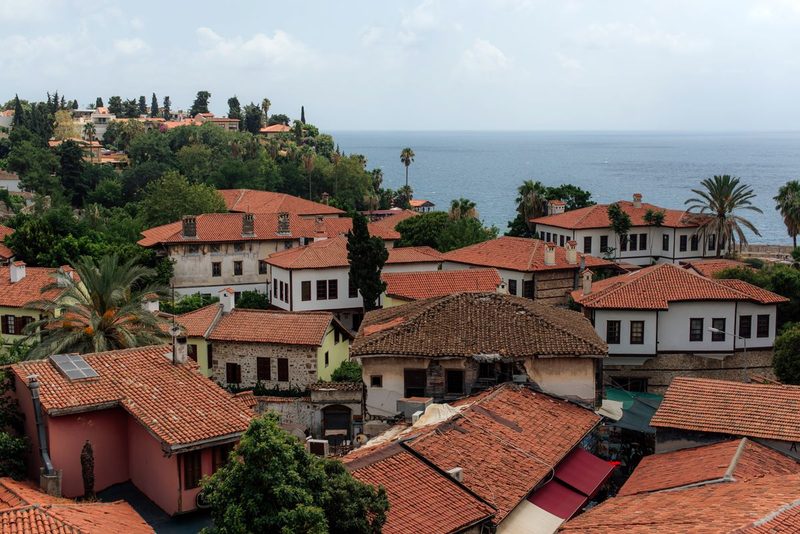
The orange-red clay Double Roman is the classic Somerset roof. For around a century the brickworks along the Parrett in Bridgwater made them in huge numbers, and you'll see them on cottages and farmhouses across Taunton Deane. Those works are closed, so new clay Double Romans come from other makers, and the colour is usually brighter and more even than a weathered original. On a front slope, reclaimed tiles are often the better match. We've covered sourcing matching reclaimed tiles, consent and costs for older properties in our guide to listed building and conservation area roof repairs in Taunton.
Concrete Double Romans on post-war estates
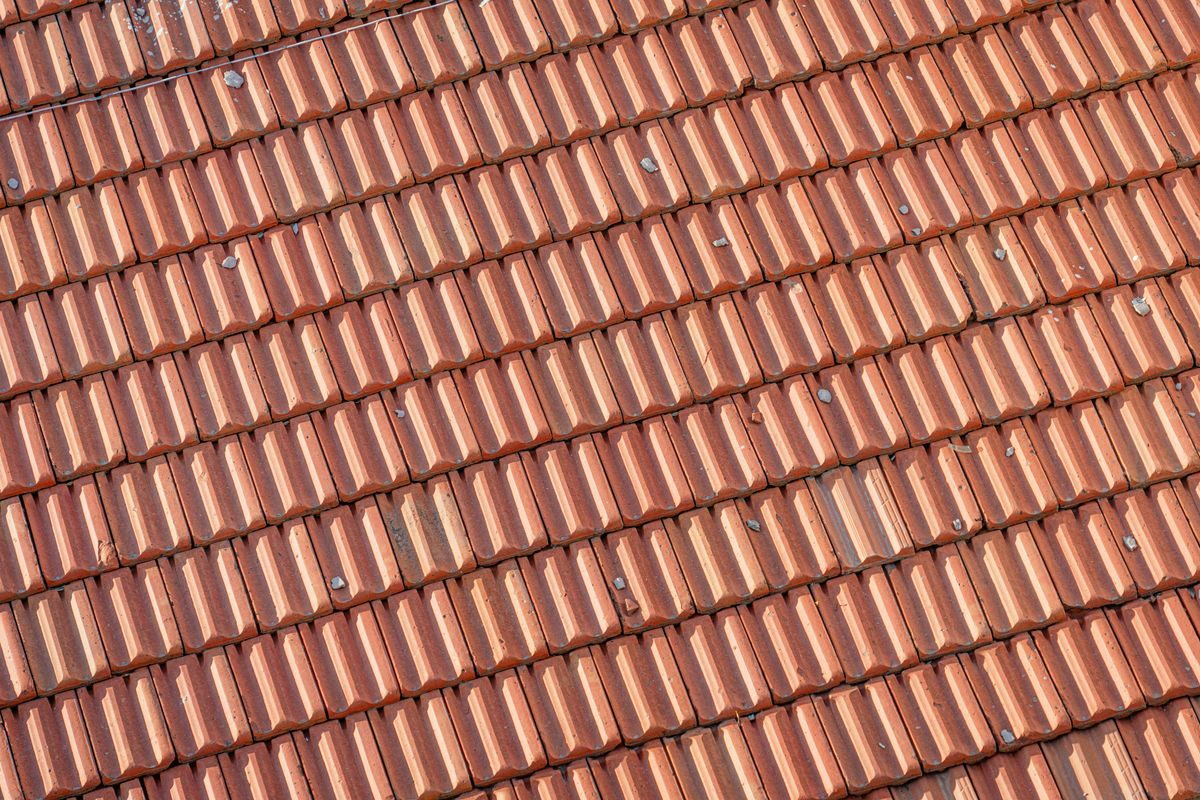
If your street is 1950s-1980s housing with brown or red concrete Double Romans, sticking with concrete is usually the sensible choice. Swap one semi to slate and it can look odd beside its neighbour. Several of the original profiles are still in production, so a close match is usually possible. Bring a tile down and compare it before you order.
Conservation areas
In a conservation area you can normally re-roof like-for-like without planning permission, but changing the covering, say from slate to concrete, may need consent, especially if an Article 4 direction applies. Somerset Council has handled Taunton planning since 2023, and it's worth checking with them before you order a different material.
Reclaimed and Recycled Tiles: Worth It?
Reclaimed tiles make sense in two situations: matching an older roof, and keeping the look on a listed or conservation-area house. Reclaimed clay Double Romans cost around £2-£4 each in 2026, against £1.50-£2.50 for new concrete. Reclaimed Welsh slate runs about £2-£5 per slate depending on size.

The catch is wastage. Expect 10-20% of a reclaimed batch to be cracked, laminated or too short, so order extra. Good roofers will tap-test each tile and reject anything that rings dull. On a full re-roof, a common approach is to reuse the sound original tiles on the front slope and fit new tiles on the back, where nobody sees them.
Recycled-content tiles, often made with crushed slate and resin, are another option. They're light at about 15-20kg per m² and cheaper than natural slate, but they don't age like slate and won't be accepted in most conservation areas.
Lead Times and Booking a Re-Roof in Taunton
Lead times vary a lot by material in 2026:
- Concrete interlocking tiles: usually in stock at builders' merchants, 1-2 weeks.
- New clay Double Romans: 4-12 weeks depending on colour and maker.
- Spanish slate: 2-6 weeks for standard sizes.
- Welsh slate: 6-16 weeks, longer for unusual sizes.
- Reclaimed: whatever the yards have, so start looking early.
Somerset has a steady supply of roofers, but the good ones book up 6-10 weeks ahead from April to September, which is when most re-roofs happen. Booking in late winter for spring gives you time for materials to arrive. Ask each roofer whether they're a member of a trade body such as the National Federation of Roofing Contractors, whether the quote includes building regulations notification, and what guarantee they give on workmanship. Ten years is common on a full re-roof.
Frequently Asked Questions
What is the cheapest roof tile for a re-roof in Taunton?
Concrete interlocking tiles. Expect about £65-£95 per m² fitted in 2026, or roughly £6,500-£9,000 for a typical semi before scaffolding.
Can I replace my slate roof with concrete tiles?
Sometimes, but concrete is 50-80% heavier than slate, so the roof timbers need checking and you'll need building regulations approval. In a conservation area you may also need planning permission.
How long do clay Double Roman tiles last?
Usually 60-100 years. Clay weathers slowly and handles Taunton's wet winters well, provided the tiles meet the BS EN 539-2 frost test.
Do I have to match my neighbour's roof tiles?
Outside a conservation area there's no legal requirement, but a mismatch on a pair of semis stands out and can affect resale. In a conservation area or on a listed building, matching is usually expected.
How long does it take to get roof tiles delivered in Taunton?
Concrete tiles are usually available within 1-2 weeks. New clay Double Romans take 4-12 weeks, and Welsh slate 6-16 weeks.
Ready to work with Roof Repairs Taunton?
Let's connect! We’re here to help.
Send us a message and we’ll be in touch.
Or give us a call today at 01823 746216
Agency Contact Form
More Marketing Tips, Tricks & Tools