Ridge Tile Rebedding and Repointing in Taunton: Why Mortar Ridges Fail and What Each Fix Costs per Metre
If there's a line of grey crumbs in your gutter or on the patio after a windy night, look up at the ridge. Ridge tile rebedding and repointing in Taunton is one of the jobs we price most often. The mortar holding a ridge on wears out well before the tiles below it do. A sand and cement bed typically lasts 15-25 years before it starts to crack away, and plenty of the 1960s-80s houses around Priorswood, Galmington and Holway are on their second or third bed by now. Taunton's lowland weather isn't extreme - roughly 750-800mm of rain a year, against a UK average nearer 1,150mm - but it's damp for long stretches, and the town still gets something like 30-40 frosty nights most winters. Wet mortar plus repeated freezing is exactly what breaks a ridge down. This guide covers why it happens, the signs, the three ways to fix it and what each costs per metre in 2026.
Why Mortar-Bedded Ridges Fail on Taunton Roofs
A ridge tile sits right on the apex with nothing above it, so it takes rain, sun and wind from every direction. The mortar under it is porous. Once hairline cracks open up - and they always do as the roof timbers move with the seasons - rain soaks into the bed and stays there. Somerset winters are mild but long and wet, so ridge mortar here can stay damp from October to March.

Then the frost gets to work. Water expands by about 9% when it turns to ice, so every hard frost pushes a crack a fraction wider. A wet spell followed by a cold, clear night is the worst combination, and the Vale of Taunton gets plenty of those, with cold air settling in the valley on still nights. After a few winters of that cycle, the bed loses its grip on the tile and the tile starts to rock.
Age plays a part. Many ridges laid before the 2000s were bedded in a strong, cement-rich mix that sets hard and brittle, so it cracks rather than flexing. Others were laid with too much sand and simply wash out. If you're not sure what state yours is in, you can book a ridge check with Roof Repairs Taunton and we'll tell you honestly whether it needs anything at all.
Signs Your Ridge Tiles Need Repointing or Rebedding
Most ridge problems can be spotted from the ground with a pair of binoculars or a phone camera zoomed in. Stand back on the pavement and look along the line of the ridge in good light.
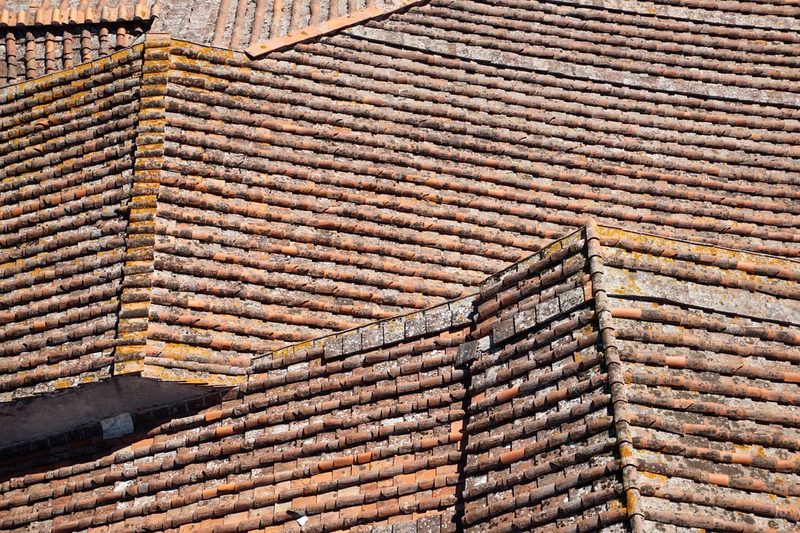
- Gaps or dark lines where the mortar meets the tiles below
- Mortar pieces in the gutters, on flat roofs or on the ground below the eaves
- Ridge tiles that look out of line, or a "wavy" ridge rather than a straight one
- A tile that has visibly lifted, slipped or gone missing after a storm
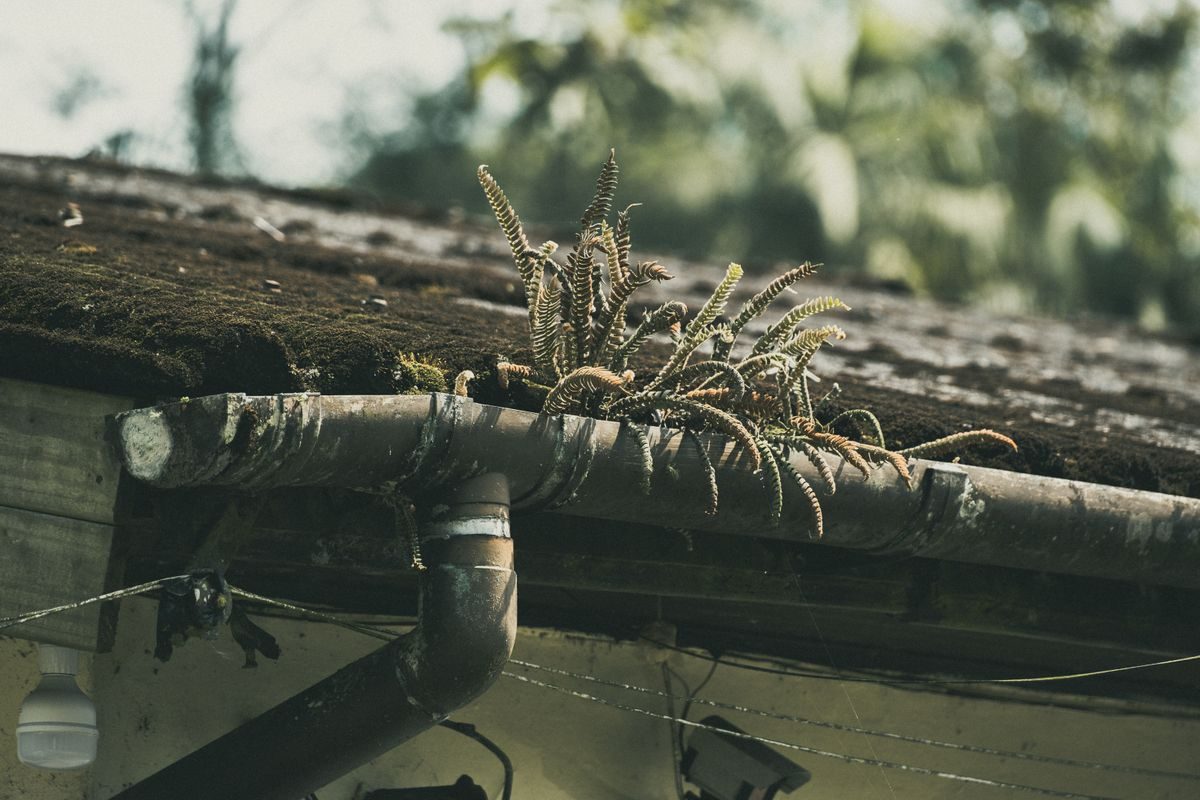
- Moss or grass growing out of the joints between ridge tiles
- Damp patches high up on bedroom ceilings or on the loft side of the ridge board
In our experience, roughly half the ridge jobs we price in Taunton come after the homeowner found bits of mortar in the garden rather than a leak. Lucky them. Caught at that stage, it's usually a cheaper fix.
When a Ridge Problem Turns Into a Leak
A failing ridge won't always drip straight through. Water often runs down the rafters or along the felt and shows up somewhere else entirely, which makes the source hard to pin down. We've covered how roofers trace this properly in our guide to roof leak detection in Taunton and what each test costs, which is worth a read if you've got a stain but can't see an obvious cause.
Repointing vs Rebedding vs Dry Ridge: The Three Repair Options
There are three ways to deal with tired ridge mortar, and they're not interchangeable. Pick the wrong one and you'll likely be paying for the same ridge again within five years.

Repointing
Repointing means raking out the loose outer mortar from the joints and the bed edges and filling it with fresh mortar. The tiles stay where they are. It's quick - a typical semi ridge of 8-10 metres can be done in half a day once access is up - and it's the cheapest option. But it only works if the bed underneath is still sound and every tile is firmly held. Pointing over a loose tile hides the problem for a year or two at most.
Rebedding
Rebedding means lifting every ridge tile, clearing all the old mortar back to the tiles and battens, and laying the ridge again on a fresh bed. It's the right fix when tiles rock, when the bed has crumbled in more than a few places, or when the ridge has already been repointed once and failed. On a standard semi it's usually a full day's work. Done properly, a new bed should last 15-20 years in Taunton's climate.
Dry Ridge Conversion
A dry ridge replaces mortar with a mechanical system: a breathable roll along the apex, a union clip at each joint and a screw and clip holding each tile to the ridge batten. No mortar, so nothing to crack. It costs more upfront, but it also ventilates the loft along the whole ridge, which helps in a damp town like this. Most new homes going up on the Monkton Heathfield and Staplegrove developments use dry ridge as standard.
What BS 5534 Says About Fixing Ridge Tiles
Plenty of homeowners have never heard of this, and some roofers would rather they didn't. The British Standard for slating and tiling, BS 5534 (the code of practice for slating and tiling, published by BSI), was revised in 2014 to state that mortar alone is no longer an acceptable way to fix ridge and hip tiles. Every ridge tile has to be mechanically fixed as well - with screws, clips or a dry ridge system - whether or not mortar is used too.
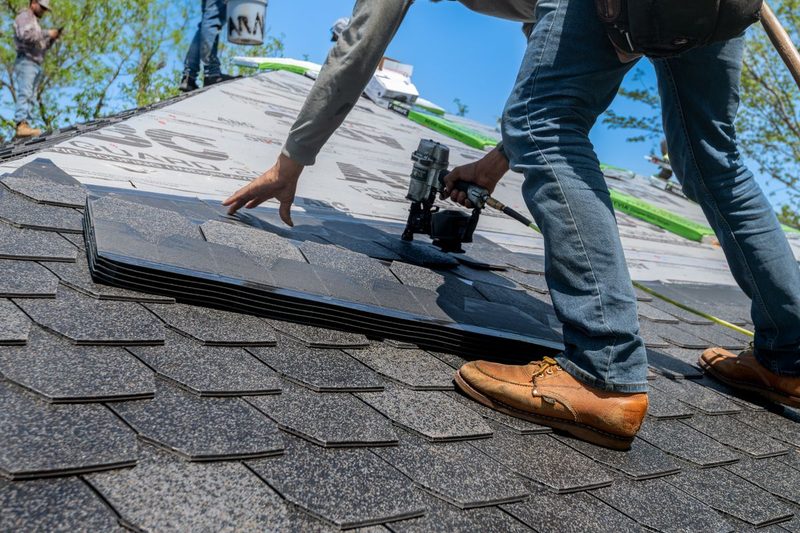
For a straightforward repoint, the tiles aren't being relaid, so the standard doesn't really come into play. But when a ridge is fully rebedded, any decent roofer should be fixing each tile mechanically as part of the job. That can be a mortar bed with a stainless screw and washer through each tile into a ridge batten, or a full dry ridge. Both meet the standard. A plain mortar-only rebed doesn't.
When you get quotes, ask one direct question: "Will each ridge tile be mechanically fixed?" If the answer is vague, the quote is probably cheaper because it leaves out the part that keeps your ridge on in a storm. Taunton sits in a moderate wind zone, but exposed spots - the higher ground towards Trull and Staplehay, or anything open to the Blackdowns - see gusts well over 50mph a few times most winters.
Ridge Rebedding and Repointing Costs in Taunton for 2026
These are typical prices per metre of ridge, including VAT, for a two-storey Taunton house with straightforward access. They exclude scaffolding, which is listed separately below.
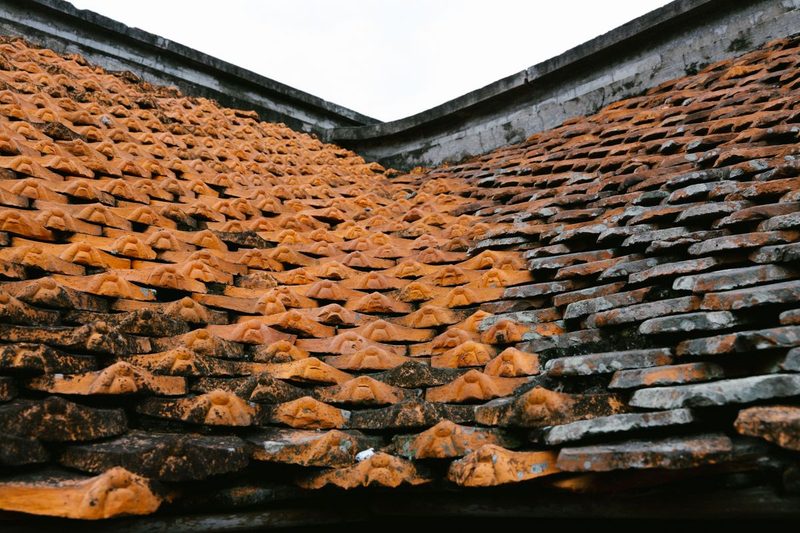
- Repointing ridge joints and bed edges: £20-£35 per metre
- Full rebed with new mortar and mechanical fixings: £45-£75 per metre
- Dry ridge conversion (roll, clips, screws, reusing sound tiles): £55-£90 per metre
- Replacement ridge tile, concrete: £15-£30 each fitted alongside other work
- Replacement ridge tile, clay or reclaimed to match: £30-£70 each
- Hip rebedding (same methods, harder access): add 15-25% per metre
On an average 9-metre semi ridge, that works out at roughly £200-£320 to repoint, £400-£680 to rebed and £500-£810 for a dry ridge, before access.
Access: Often the Biggest Line on the Bill
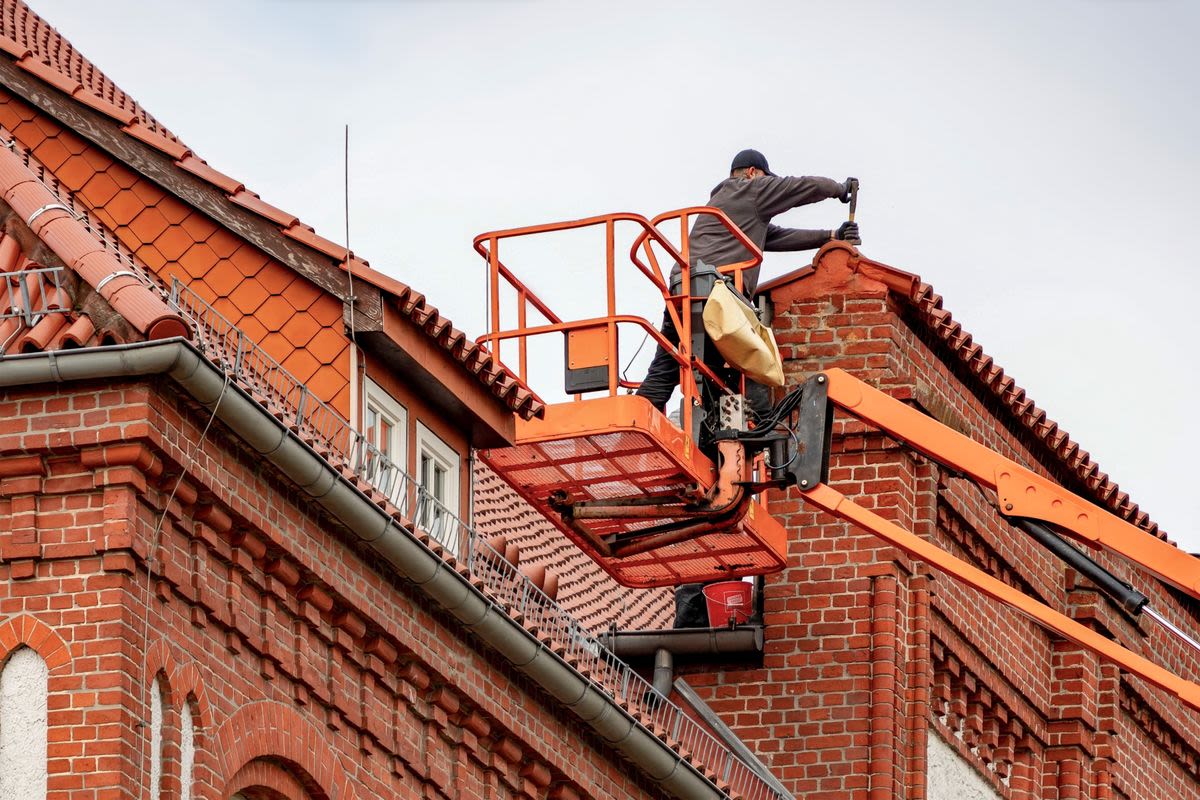
Ridge work needs safe access to the very top of the roof. A scaffold to one elevation of a semi in Taunton usually costs £450-£900; a tower with roof ladders can come in nearer £150-£300 where the ground and roof shape allow it. The HSE's guidance on working at height is clear that proper edge protection is needed for this kind of job, so be wary of anyone planning to do a full ridge off a single ladder. If other jobs are due - gutters, a chimney flashing, a few slipped tiles - getting them done under the same scaffold usually saves more than the ridge itself costs.
How Taunton's Housing Stock Changes the Job
The house itself changes the job. Victorian and Edwardian terraces around Wilton, Rowbarton and the town centre often have slate roofs with clay roll-top or angled ridges. Those ridge tiles are frequently old and brittle, so a few break when lifted. A good roofer will check how many spares can be sourced - reclaimed clay ridges are around in Somerset, but matching colour can take a week or two.

The post-war and 1970s estates in Priorswood, Lyngford and Halcon mostly have concrete interlocking tiles with half-round concrete ridges. These lift cleanly and rebed well, and they're ideal candidates for a dry ridge conversion. Bungalows on the edges of town, such as around Bishops Hull and Cotford St Luke, are the easiest of all because the ridge can often be reached with less scaffolding.
If your home is listed or in one of Taunton's conservation areas, check with Somerset Council's planning team before switching a mortar ridge to a dry system. The plastic edge of some dry ridge systems is visible from the street, and a change of appearance on a listed building can need consent. On most ordinary houses, there's no permission needed for either job.
Choosing a Roofer and Timing the Work
Taunton has a decent number of roofers, but the good ones are booked up from October through to February, when storms bring a rush of emergency calls. Non-urgent ridge work can wait two to four weeks in that period. Late spring and summer are the best time to book a rebed: the mortar cures better without frost, and you'll get more choice of contractor.
When comparing quotes, check they say whether it's a repoint or a full rebed, how many metres they've measured, how tiles will be mechanically fixed, what happens to broken tiles, how access is priced, and what guarantee comes with it. A rebed with mechanical fixings should come with at least a 5-10 year workmanship guarantee. A firm that's a member of a recognised trade scheme, such as the government-endorsed TrustMark scheme for vetted tradespeople, gives you an extra route if something goes wrong.
Common Questions About Ridge Tile Repairs in Taunton
How do I know if my ridge needs repointing or a full rebed?
If the tiles are all firm and only the outer mortar is cracked, repointing is usually enough. If any tile rocks, has lifted, or the ridge was repointed before and failed again, it needs rebedding.
How much does ridge rebedding cost in Taunton?
Typically £45-£75 per metre including mechanical fixings, so £400-£680 on a 9-metre semi ridge, plus access. Scaffolding often adds £450-£900.
Is a dry ridge better than mortar in Somerset's weather?
For most modern concrete-tiled roofs, yes. There's no mortar to crack in freeze-thaw, it ventilates the loft, and it needs little maintenance. On listed or period homes, a mortar bed with mechanical fixings may be the better fit.
Do ridge tiles have to be screwed down now?
Under BS 5534, ridge and hip tiles must be mechanically fixed when they're relaid, not held on by mortar alone. A simple repoint that doesn't disturb the tiles isn't affected.
How long does a rebedded ridge last?
Around 15-20 years for a well-mixed mortar bed with mechanical fixings in Taunton's climate. A dry ridge system is usually rated for 20 years or more.
Ready to work with Roof Repairs Taunton?
Let's connect! We’re here to help.
Send us a message and we’ll be in touch.
Or give us a call today at 01823 746216
Agency Contact Form
More Marketing Tips, Tricks & Tools