Extension Roof Leaks in Taunton: Why Lean-To and Kitchen Extension Roofs Leak and What Fixes Cost
The water always seems to come in at the same spot: a brown stain in the corner of the kitchen ceiling, right where the extension meets the house. Extension roof leaks in Taunton are among the most common call-outs we get from October onwards, and they're also some of the most often misdiagnosed. A single-storey extension has a lot of joints packed into a small roof. There's the junction with the main wall, often a rooflight or two, a gutter, and sometimes a valley where it meets another part of the house. Taunton sits in a sheltered vale between the Quantocks and the Blackdown Hills and gets around 750-800mm of rain a year, below the UK average of about 1,160mm. But it comes in on 120 or more days a year, a lot of it driven by south-westerly wind, and that's exactly the kind of rain that finds a weak junction. This guide works through extension leaks by where the water appears, because that tells you most of what you need to know.
Why Extension Roof Leaks in Taunton Are So Common
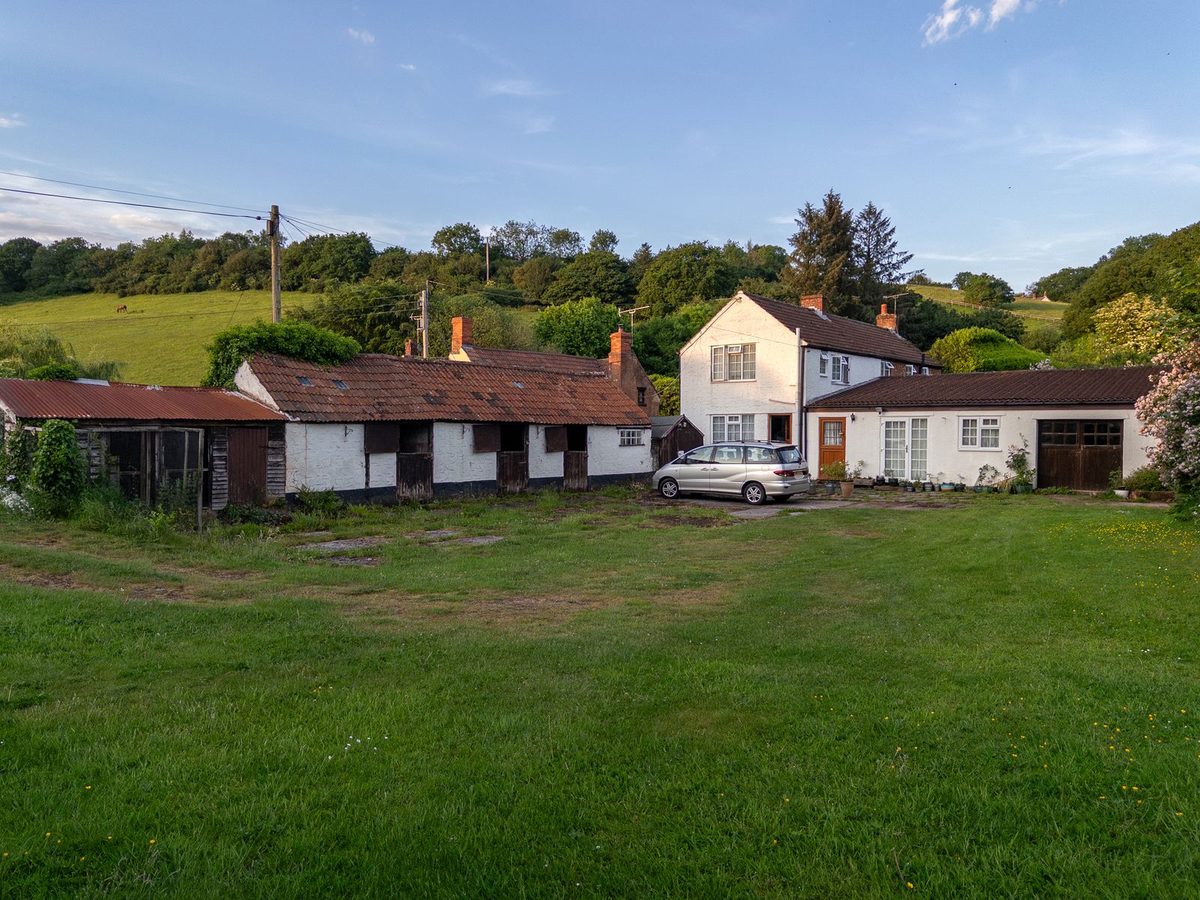
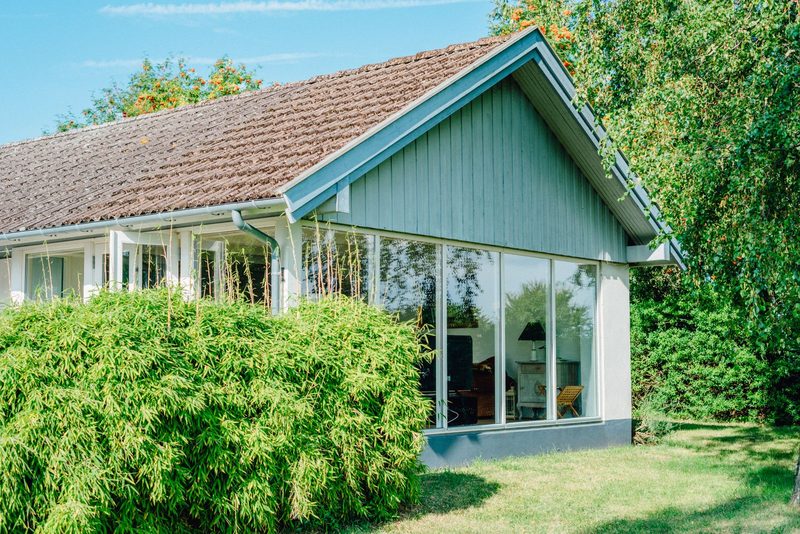
A lot of Taunton's housing has been extended. Victorian and Edwardian terraces around Wilton, Rowbarton and the streets off Staplegrove Road often have a rear lean-to or kitchen extension added at some point in the last century. The 1960s-80s estates in Priorswood, Galmington and Bishop's Hull have had 30-40 years of kitchen and dining room extensions bolted onto the back. And builders don't always treat the roof of a small extension with the care they'd give a main roof.
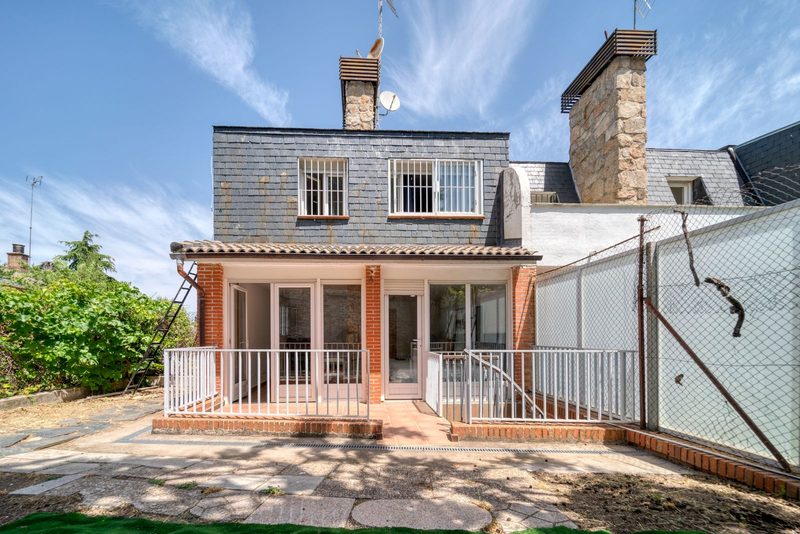
The most common shortcut is pitch. Owners want the extension roof to sit below a first-floor window, so the roof ends up shallow. Many concrete tiles need a minimum pitch of 17.5-22.5 degrees, plain clay tiles 35 degrees, and slate around 20-25 degrees depending on the size. Lay them flatter than that and rain blown up the slope gets under the laps. It might hold for 10 years, then start leaking every winter.
The other common problem is the joint with the house wall. Get that wrong and the extension can leak even when its roof is perfect.
If you'd like an extension leak traced properly, Roof Repairs Taunton can inspect inside and out, check the wall junction and the tiles, and tell you which of the faults below you're dealing with.
Leak Where the Extension Meets the House Wall
This is the big one. Probably half of the extension leaks we see in Taunton start here.

Failed lead flashing
Where a sloping extension roof meets the main wall, a strip of lead should be tucked into a mortar joint in the wall, dressed down over the tiles, and pointed in. On lean-tos you'll see either a single long apron flashing along the top, or stepped flashing up the sides. Leaks happen when the pointing falls out of the joint, the lead lifts in wind, or someone used a self-adhesive flashing tape or mastic instead of lead. Tape can look fine for 3-5 years before it peels.
No cavity tray
This is the fault that catches people out. If the main house has cavity walls, which almost all post-1930s Taunton homes do, rain that soaks into the outer brick or block leaf runs down inside the cavity. Above the extension roof, something has to catch that water and push it out over the roof. That something is a cavity tray, built into the wall when the extension goes up. Without one, the water runs down inside the wall and comes out on your extension ceiling, usually in a line along the junction. Flashing replacement won't stop it, because the water is getting in above the flashing.
A quick test: if the leak only shows after long spells of rain rather than short heavy bursts, and gets worse when the wind blows onto that wall, a missing cavity tray is a strong suspect.
Leak in the Middle of the Extension Roof
If the stain is out in the ceiling rather than along the wall, the roof covering itself is usually at fault.
- Tiles laid below their minimum pitch. Check the tile against the pitch, which a roofer can measure in a minute.
- Cracked or slipped tiles, often after someone has walked on the roof to clean the gutters or windows.
- Felt that's sagging, torn or missing under the tiles. On some 1970s lean-tos there's no felt at all.
- On felt flat-roofed extensions, splits and blisters in the covering, or water ponding where the deck has sagged.
On a low-pitch tiled lean-to that keeps leaking, re-tiling with the same tile won't fix it. The usual answers are a tile rated for low pitches, a sheet roof system designed for shallow slopes, or, at very low pitches, switching to a flat roof covering such as EPDM rubber or GRP fibreglass.
Leaks Around Rooflights and Velux Windows
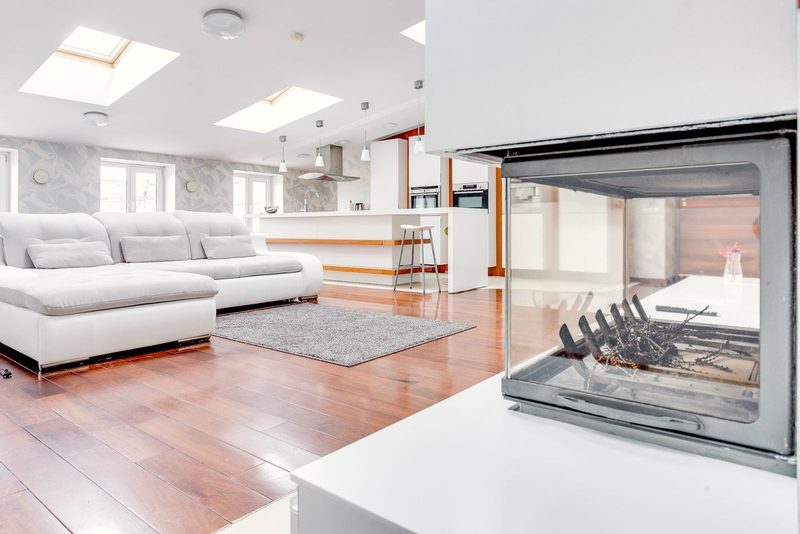
Kitchen extensions in Taunton very often have one or two rooflights, and every one is a hole in the roof. Water around a rooflight usually comes from:
- The flashing kit, which should be made for that window and that tile. A flat-tile kit on a profiled tile leaves gaps.
- A blocked gutter channel at the top of the window, filled with leaves after the autumn.
- Failed glazing seals, which show as water between or on the inside of the glass.
- Condensation, which is not a leak at all. A steamy kitchen under a cold rooflight can drip in winter, and it's often mistaken for a roof fault.
Condensation drips tend to appear on cold mornings, after cooking or showers, and on dry days as well as wet ones. Roof leaks follow the rain. Keep a note for a week or two and you'll usually know which you have.
We've gone into leak tracing in much more detail, including the tests roofers use and what they cost, in our guide to roof leak detection in Taunton and whether it's the roof at all.
Gutters, Valleys and Box Gutters on Extensions
Some extensions don't have their own gutter on the house side at all. Instead there's a box gutter or valley where the extension roof meets another roof, or the side of a neighbour's extension on a terrace. These are lined with lead, felt or GRP, and when they fail, water goes straight into the building.

In Taunton's terraces, where two neighbours have built extensions side by side, the gutter between them is often shared, and nobody's sure who looks after it. Leaves and moss from the town's mature gardens and trees fill these gutters every autumn. A blocked valley gutter overflows into the wall or under the tiles within a single heavy shower.
Clear any gutter or valley you can reach safely in November, after the leaves have fallen. A roofer can do it for typically £60-£150 as part of a visit, and check the lining while they're up there.
Extension Roof Repair Costs in Taunton for 2026
Typical prices, including VAT, for a single-storey extension in Taunton:

- Repointing an existing lead flashing at the wall junction: £150-£350.
- Replacing a lead abutment flashing on a lean-to of 3-5 metres: £350-£800.
- Replacing a rooflight flashing kit: £300-£650.
- Retrofitting a cavity tray above an extension roof: £900-£2,500, depending on length and access.
- Re-tiling a small lean-to with a low-pitch tile: £1,800-£3,800.
- Replacing a tiled lean-to covering with EPDM or GRP: £1,500-£3,500 for 10-20 square metres.
- Relining a valley or box gutter: £400-£1,200.
Most extension work can be done from ladders or a tower scaffold, which keeps access costs down to £150-£400. A cavity tray retrofit is the expensive one because a section of the main wall, about 2-3 courses of brick above the roof, has to be cut out and rebuilt in short lengths.
When building regulations come in
If you're replacing more than a quarter of the extension roof, or changing it from tiled to flat or the other way round, building regulations may apply, including insulation requirements. Small like-for-like repairs don't need approval. The government's guide to building regulations approval explains when you need it, and a roofer registered with a competent person scheme can usually self-certify the work. Changing the extension's height or shape is a planning question too, covered in the Planning Portal's extensions guidance.
Getting an Extension Leak Fixed Properly in Taunton
The biggest waste of money with extension leaks is fixing the wrong thing. Plenty of Taunton homeowners have paid for new flashing, then new tiles, then a new rooflight, before anyone checks for a cavity tray. Ask any roofer you get in to explain what they think is causing the leak and why, and how they'll know if they're wrong.

Somerset roofers are busy from October to March, and the county has the same shortage of skilled roofers as the rest of the country, so non-urgent repairs often wait 2-5 weeks. If water is coming through onto electrics, such as spotlights in a kitchen extension ceiling, switch off that circuit and tell the roofer, because most will treat that as urgent. Check any firm through a register you can search yourself, such as the National Federation of Roofing Contractors member directory, and get the diagnosis and the price in writing.
Frequently Asked Questions About Extension Roof Leaks in Taunton
Why does my extension roof leak where it meets the house?
Usually because the lead flashing has failed or there's no cavity tray in the main wall above the roof. A missing cavity tray lets rain that soaks into the wall run down inside it and onto the extension ceiling, even if the flashing is fine.
How much does it cost to fix a leaking lean-to roof in Taunton?
Small flashing repairs typically cost £150-£800 in 2026. Retrofitting a cavity tray costs around £900-£2,500, and re-covering a low-pitch lean-to with a suitable tile or a flat roof system usually costs £1,500-£3,800.
Can tiles be laid on a low-pitch extension roof?
Only tiles rated for that pitch. Many concrete tiles need at least 17.5-22.5 degrees and plain clay tiles need 35 degrees. Below the minimum, wind-driven rain gets under the tiles, so a low-pitch tile, sheet system or flat roof covering is needed.
Is my rooflight leaking or is it condensation?
Condensation usually appears on cold mornings, after cooking or showers, and on dry days too. Leaks follow rain. Water between the panes points to failed glazing seals rather than the roof.
Ready to work with Roof Repairs Taunton?
Let's connect! We’re here to help.
Send us a message and we’ll be in touch.
Or give us a call today at 01823 746216
Agency Contact Form
More Marketing Tips, Tricks & Tools