New-Build Roof Problems in Taunton: Common Snagging Faults, NHBC Warranty Timelines and Repair Costs
New-build roof problems in Taunton are more common than most buyers expect when they pick up the keys. Taunton has been growing hard on its edges for two decades, with big urban extensions at Monkton Heathfield, Staplegrove and Comeytrowe adding thousands of homes, and every one of those roofs went up on a schedule. More than 9 in 10 new-build buyers report at least one problem to their builder in the first year, and the roof is where small shortcuts turn into damp ceilings. Somerset doesn't give a rushed roof much slack either: Taunton gets something like 750-850mm of rain a year, much of it driven in on south-westerly winds across the Levels. Most new homes do carry a 10-year warranty, though, and for the first 2 years roof faults are the builder's problem. Here's what tends to go wrong, who pays, and when it's worth getting your own roofer up a ladder.
Why New-Build Roof Problems Show Up on Taunton's Estates
Most new-build roofs in and around Taunton are concrete interlocking tiles on trussed rafters, with plastic dry ridge and dry verge systems, a breathable membrane underneath and uPVC fascias and gutters. It's a sensible spec. The materials are rarely the issue. The fixing is. Roofs on large sites are often laid by subcontract gangs paid by the square metre, and when 40 or 50 houses are going up at once, a missing clip or a short run of lead is easy to miss.

And the faults take time to show. A roof can look perfect from the street on handover day and only start dripping after its first proper autumn storm, or once the timbers have dried out and shrunk slightly over 12-18 months. That's why so many of the calls we get about new-builds land in the second year, just before the builder's period runs out. If you're not sure whether what you're seeing is a real fault, our Taunton roofing team can take a look and tell you straight.
Since 2015, the roofing standard BS 5534 has required every ridge and hip tile to be mechanically fixed rather than held by mortar alone. A new-build roof that relies on a mortar bed with no clips or screws hasn't been built to current standards, and that matters when you go back to the builder.
The Snagging Faults We Find Most Often on Taunton New-Builds
The same handful of faults turns up on 2000s to 2020s estate homes again and again. None of them is exotic, and most are cheap to put right if they're caught inside the warranty window.
Dry ridge and dry verge clips missing or loose
Dry ridge and verge systems are only as good as the clips and screws holding them. We regularly find verge caps with half the clips missing, or ridge units fixed at one end only. The first sign is often a plastic verge cap lying on the drive after a windy night, or a ridge tile that rocks when you look at it through binoculars.
Mortar falling from ridges and verges
Older estate homes from the early 2000s often have mortar-bedded ridges and verges. Mix it weak, lay it in cold weather, and within 5-10 years it cracks and drops onto the gutters. Bits of grey mortar in your gutter or on the patio are the giveaway.
Poorly fixed or badly cut tiles
Tiles should be nailed or clipped to a pattern set by the manufacturer and the wind zone. We see tiles with no nails at all, cut tiles at valleys and verges held only by friction, and eaves courses that lift in wind. One slipped tile can let in enough water to stain a bedroom ceiling within a week.
Missing or insufficient loft ventilation
Modern homes are airtight, which pushes warm, moist air up into the loft. Without enough eaves and ridge ventilation you get condensation dripping off the membrane, black mould on the trusses and wet insulation, often mistaken for a leak. Insulation stuffed hard into the eaves, blocking the airflow, is one of the most common causes we find.
Lead and flashings at abutments
Where a roof meets a wall - a garage abutting the house, a porch, or a step in a terrace - you need properly dressed lead or a purpose-made flashing. Short laps, missing soakers and flashings sealed with mastic instead of chased into the brickwork all let water in.
Gutters and downpipes
Gutters laid flat or even falling the wrong way, joints that weep, and downpipes discharging onto a lower roof without a spreader all turn up regularly. They're small jobs, but water pouring down a wall for 2 years does real damage to render and brickwork.
How Somerset Levels Weather Finds Out a Rushed Roof
Taunton sits in the Vale of Taunton Deane, with the Somerset Levels opening out to the east and north. That low, flat ground does little to break the wind, and the big autumn and winter fronts come in from the south-west with rain driven sideways. A missing verge clip or a poorly lapped flashing might survive a still, drizzly day, but not 50mph gusts pushing water uphill under the tiles.

The wet season here also runs long. The Levels flood in most winters, and October to March is reliably the wettest stretch, which is when most new-build leaks first show up. Damp, mild weather also slows the drying of a new house. A new home can hold several hundred litres of construction moisture in its plaster, screed and timber, and much of that ends up in the loft during the first winter if ventilation is poor.
In our experience the faults show up in roughly the same order: verge caps and condensation in the first winter, then slipped tiles and weeping abutments over the next year or two as timbers settle and storms test every weak spot.
NHBC, Premier and LABC Warranties: The 2-Year Builder Period vs Years 3-10
Most new homes in England come with a 10-year structural warranty from NHBC, Premier Guarantee or LABC Warranty. The wording differs between providers, but the shape is similar. For the first 2 years from legal completion, the builder is responsible for putting right defects that come from not meeting the warranty provider's technical standards. That covers almost everything on a roof - tiles, clips, flashings, ventilation and gutters.
From year 3 to year 10 it changes. The builder is generally off the hook, and the warranty becomes an insurance policy against more serious defects in specified parts of the home, usually the structure. NHBC explains the split clearly in its guide to Buildmark cover for homeowners. The roof structure is normally covered in years 3-10, but things like gutters, mortar pointing and general wear are usually excluded, and there's often a minimum claim value, so check your own policy document.
LABC Warranty and Premier work along similar lines, though their excesses and exclusions vary. So, anything you spot on the roof in years 1 and 2 should go to the builder in writing, straight away. After that, small faults usually become yours to fix.
How to Report New-Build Roof Problems and Escalate if the Builder Stalls
Start with the builder's customer care team, in writing. Email is fine. Describe the fault, say where and when you noticed it, and attach photos - a phone camera on zoom from the garden is usually good enough to show a loose verge cap or a slipped tile. Keep a simple log of dates, calls and promises. Most builders aim to inspect within 7-14 days and fix within a few weeks.
If it stalls, escalate in stages:
- Ask for the complaint to be logged formally and request the builder's complaints procedure.
- If your builder is registered with the New Homes Quality Board, you can usually take an unresolved complaint to the New Homes Ombudsman, typically once the builder has had 56 days and within 2 years of completion.
- Contact your warranty provider. NHBC, Premier and LABC Warranty all run a resolution service for disputes in the builder period, and they can instruct the builder to do the work.
Don't let the 2-year deadline slip by
The most expensive mistake we see is a homeowner who noticed something in month 18, mentioned it to a site manager, and never put it in writing. Report everything before the second anniversary of completion, even if the builder says it's "normal settling". A logged report keeps the issue alive even if the work gets done later.
When to Bring In Your Own Roofer for an Independent Report
Sometimes the builder's own team says there's nothing wrong. That's when an independent report pays for itself. A local roofer who has no stake in the build can check the fixings against BS 5534, look at the ventilation, photograph the abutments and write up what's wrong in a way the warranty provider will take seriously.
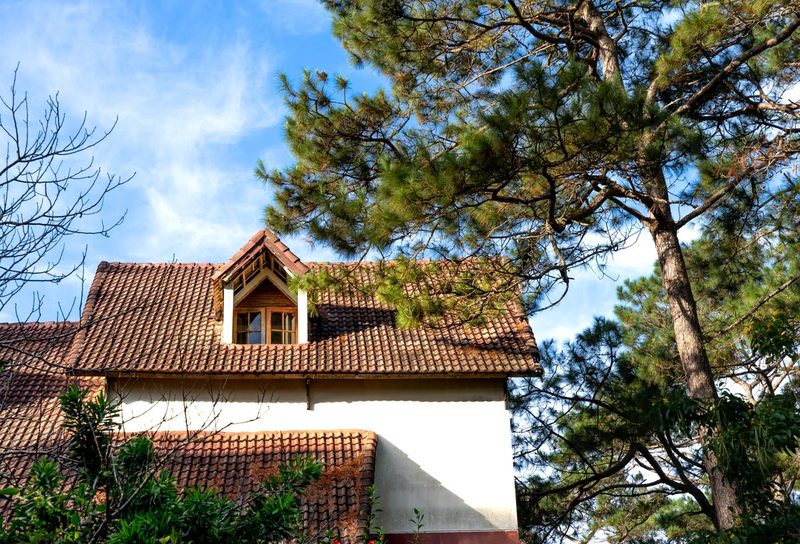
It's also worth doing just before the 2-year mark, even if nothing has leaked yet. A pre-expiry inspection costs a fraction of a single repair, and anything found goes back to the builder while they're still responsible. The same goes if you're buying a resale new-build that's 1-2 years old, because the remaining builder period transfers to you.
Ridges are the area we flag most often on these reports, especially on early-2000s homes with mortar bedding. We've written about why mortar ridges fail and what rebedding or repointing costs per metre, which is useful context if your report points that way.
What New-Build Roof Problems Cost to Fix if You End Up Paying
If you're past year 2, bought without warranty paperwork, or the fault falls outside the policy, you'll be paying. Taunton prices are typical for the South West, and local roofers are busy right through autumn and winter, so book early if you can. Rough 2026 costs:

- Independent roof inspection with photo report: £150-£350
- Refitting or replacing missing dry verge clips and caps: £150-£400 for a typical gable
- Converting a mortar ridge to a dry ridge system: £50-£80 per metre
- Rebedding and repointing a mortar ridge: £40-£70 per metre
- Refixing slipped or unfixed tiles: £150-£350, depending on access
- Adding tile or ridge vents to improve loft ventilation: £60-£120 per vent fitted
- Replacing a poor lead abutment flashing: £250-£600
- Realigning and resealing gutters: £100-£250 per run
Most of these jobs can be done from a ladder or roof ladder on a 2-storey estate home. If scaffold is needed, add roughly £600-£1,200 for a typical semi or detached house.
Frequently Asked Questions About New-Build Roof Problems in Taunton
Is the builder responsible for roof problems on my new-build?
Usually, for the first 2 years from legal completion. During that time the builder has to fix defects that don't meet the warranty provider's standards, which covers most roof faults. After year 2, cover usually narrows to more serious structural defects through the warranty insurer.

Does NHBC cover a leaking roof after 2 years?
It depends on the cause. NHBC's years 3-10 cover is aimed at specified structural parts of the home, and the roof structure is normally included. Gutters, pointing and general wear usually aren't, and there's often a minimum claim value, so check your Buildmark policy.
Is condensation in a new-build loft a defect?
Some moisture in the first winter is normal while a new house dries out. Persistent dripping, mould on the timbers or wet insulation usually points to poor ventilation, which is a defect worth reporting to the builder.
Should I get my own roofer to check my new-build roof before the 2-year warranty ends?
Yes, it's worth it. An independent inspection costs around £150-£350 in Taunton, and anything found can still be reported to the builder while they're responsible.
Ready to work with Roof Repairs Taunton?
Let's connect! We’re here to help.
Send us a message and we’ll be in touch.
Or give us a call today at 01823 746216
Agency Contact Form
More Marketing Tips, Tricks & Tools