Winter Roof Repairs in Taunton: What to Fix Before Christmas and What Can Wait for Spring
Winter roof repairs in Taunton come down to one question at this time of year: does this need doing before Christmas, or can it wait until spring? Get it wrong one way and a £200 slipped tile turns into a £3,000 ceiling and insulation job by February. Get it wrong the other way and you pay winter rates for work that would have been cheaper, and done better, in April. Taunton gets roughly 750-850mm of rain a year, and most of it falls between October and March. The damp, foggy air of the Vale of Taunton Deane means roofs here rarely dry out properly for months at a time. Mortar and many roofing adhesives also need temperatures above about 5°C to cure, which rules out some jobs on a lot of winter days. This guide sorts common roof problems into three tiers - fix now, patch now and finish in spring, or leave until spring - with 2026 costs for each.
Winter Roof Repairs in Taunton: How to Decide What Can't Wait
The rule we use is simple. If water is getting in, or something could get in or fall off in the next storm, it goes to the top of the list. If the problem is slow, cosmetic or only getting worse gradually, it can usually wait for better weather and a better price.

There's a middle category that catches people out. Some jobs need attention now but can't be done properly in cold, wet weather. A ridge that needs rebedding in mortar is a good example. You don't want to leave it loose through January, but fresh mortar laid at 2°C on a damp morning may never cure properly. A temporary fix now and a permanent one in spring is often the honest answer.
If you're not sure which tier your roof falls into, Roof Repairs Taunton can take a look and tell you straight what needs doing this side of Christmas. Most of the inspections we do in late autumn end up with one urgent job and a short list for spring, not a full re-roof.
Fix Now: Winter Roof Repairs That Shouldn't Wait
These problems get worse fast once the winter storms arrive. Most are a half-day job or less. Leaving them costs many times more than fixing them.
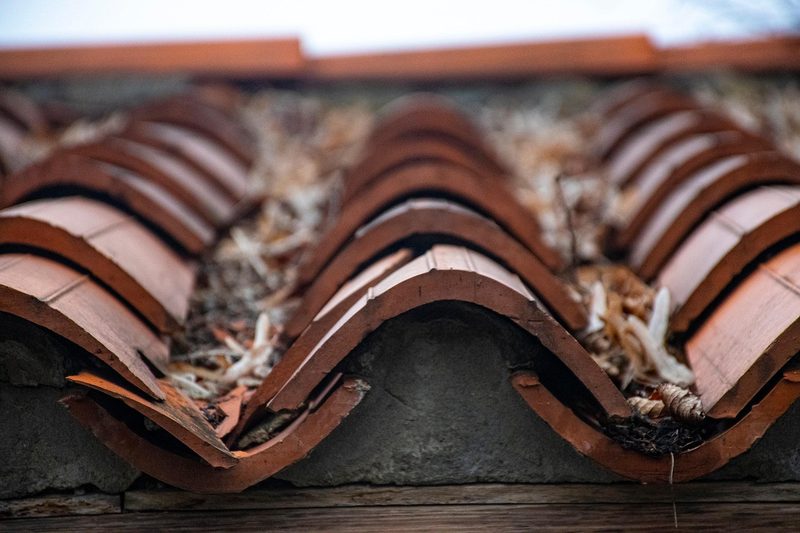
Active leaks and slipped tiles over living space
A brown stain on a bedroom ceiling means water has already soaked through the felt, the insulation and the plasterboard. Replacing a few slipped or cracked tiles typically costs £150-£350. Leave it for a winter and you're often looking at £1,500-£3,000 once wet insulation, plaster and redecorating are added.
Loose ridge tiles
Ridge tiles weigh around 5-7kg each and sit at the highest, most exposed point of the roof. A loose one can come off in a gale. Resecuring a short section costs around £200-£600, and a full dry ridge system runs about £40-£80 per metre.
Blocked gutters and valleys
Leaves from autumn trees pile up in gutters and valleys by November. A blocked valley sends water sideways under the tiles, and an overflowing gutter soaks the wall below. Clearing gutters on a typical semi costs £80-£180, and clearing valleys adds £100-£250.
Flashing pulled away and storm-damaged sheets
Lead or mortar flashing that has lifted around a chimney or along an extension wall lets in water every time it rains. Re-dressing and refixing lead costs roughly £250-£700. Cracked or loose sheets on garages and outbuildings should be secured or replaced now as well, from about £150 for a few sheets, because a loose sheet in a 60mph gust can damage the house next door.
Temporary Fix Now, Permanent Fix in Spring
Some repairs need to be stopped from getting worse now, but the proper repair is better left for warmer, drier weather. A good roofer will tell you this plainly rather than pushing a full job through in poor conditions.
Typical temporary fixes and their 2026 costs:
- Tarpaulin or temporary sheeting over a damaged slope: £150-£450, depending on size and access
- Lead patch or flashing tape over a split or lifted section: £80-£200
- Sealant or patch repair on a flat roof : £120-£300 to get a leaking extension roof through to spring
- Ridge tiles resecured with mechanical clips instead of fresh mortar: £150-£400
A temporary repair is meant to last weeks or a few months, not years. Most will hold until April or May, when the permanent repair can go in properly. The two-visit approach usually adds £100-£300 to the total cost, which is a fair price for not having water coming through the ceiling at Christmas.
The bigger risk is forgetting about it. We'd suggest booking the spring repair at the same time as the temporary fix. Roofers' diaries fill up quickly once the weather turns.
Jobs That Can Safely Wait for Spring in Taunton
Plenty of roof work is better done between April and September. Prices are usually steadier, the days are longer and the materials behave as they should.
- Full re-roofs : £8,000-£14,000 for a typical three-bed semi. Unless the roof is failing badly, a planned spring job is better than a rushed winter one.
- Flat roof replacement : £1,500-£4,500 for an extension or garage. Cold-applied liquid systems can go on at lower temperatures than older methods, but they still need a dry surface and a few dry hours to cure, which is hard to find in a Taunton December.
- Cosmetic moss removal : £300-£700. Moss holds moisture, but a light covering won't cause damage over one winter. Heavy moss blocking gutters is a different matter and belongs in the fix-now tier.
- Re-pointing verges and ridges in mortar : £40-£80 per metre. Mortar needs above about 5°C to cure without frost damage, so this is spring work unless you get a mild spell.
If a roofer is pushing hard for a full replacement in December and there's no active leak, it's fair to ask why it can't wait. Sometimes there's a good reason. Often there isn't.
Cold, Wind and Short Days: What Winter Stops Roofers Doing
Weather limits are why some jobs have to wait. These are typical working limits, and individual products and roofers vary.
Temperature
Most mortar shouldn't be laid below about 5°C, or when frost is expected before it sets. Torch-on felt and EPDM rubber membranes generally need a dry surface, and many manufacturers set a minimum of around 5°C for bonding adhesives. On a frosty Taunton morning, the roof surface can sit below that until late morning, if it warms up at all.
Wind
Wind matters more than rain for safety. Large sheets of felt or membrane become dangerous to handle in strong winds, and many roofers stop that kind of work once sustained winds reach about 20-25mph. On the Met Office's Beaufort wind force scale, that's roughly force 5 to 6. The HSE's guidance on roof work points out that falls from roofs account for a large share of serious and fatal accidents in construction. Wet, icy or windy conditions only make that worse.
Daylight
In December, Taunton gets around 8 hours of daylight, compared with 16 in June. Fewer working hours mean a two-day summer job can take three days in winter. That's partly why some roofers charge more per job in winter, even when their day rate doesn't change.
Why Taunton Roofs Take a Beating Between November and March
Taunton sits in a low, sheltered vale between the Quantocks and the Blackdown Hills, at the western edge of the Somerset Levels. That geography traps damp air. Fog sits in the valley on still mornings, and frost settles in low ground even when the hills are clear. Roofs that stay damp for weeks grow moss and lichen faster than in drier eastern counties.

Freeze-thaw is the hidden problem. Water gets into hairline cracks in tiles and mortar, freezes overnight, expands by about 9%, then thaws again. A few dozen frost nights each winter are enough to crack old concrete tiles and loosen ridge mortar. Slate roofs on older Victorian terraces suffer from nail fatigue, where corroded nails let slates slip after a wet, windy spell.
Taunton's wet season also runs a little longer than the UK average, from roughly October to March. Combine that with south-westerly storms coming in off the Atlantic, and you get roofs that are tested hard for six months of the year.
Booking lead times in Somerset
Somerset is short of experienced roofers, and demand here peaks between November and February. A normal lead time of 2-4 weeks can stretch to 6 weeks or more after a named storm. That's the main reason to book fix-now work in late October or early November, before the first big blow.
Storm Damage, Insurance and Your Winter Roof
Most home insurance policies cover storm damage, but the definition of a storm matters. Many insurers use wind gusts of around 55mph as a working threshold, alongside very heavy rain, snow or hail. Policies vary, so check yours. If your roof is damaged on a day with gusts well below that, a claim may be harder.

The other common sticking point is the "gradual deterioration" or "wear and tear" exclusion. If a tile slips because the nails had rusted through over 20 years, an insurer may say the storm only revealed an existing problem. So fixing known issues before winter does two jobs: it protects the roof and it protects any claim you might need to make. The Met Office's UK weather warnings page is worth checking and screenshotting on the day of any damage, because it gives you a dated record of the conditions.
Making a claim after a winter storm
We've covered the full process in our guide to roof insurance claims in Taunton and how to actually get paid. The short version: photograph everything, make the roof safe with a temporary repair, keep every receipt, and get a written report from a roofer that describes the cause of the damage.
A 15-Minute November Roof Check From the Ground
You don't need a ladder for this. A pair of binoculars and a dry afternoon are enough. Stay off the roof. A wet, mossy slope in November is no place for a stepladder and good intentions.

1. Walk round the house and look at the ridge line. It should be straight. Gaps, missing mortar or a tile sitting at an angle all need looking at. 2. Scan each slope for slipped, cracked or missing tiles. A lighter patch or a gap in the pattern is often a slipped tile. 3. Check the flashing around chimneys and where extensions meet the wall. Lead should sit flat and tight. Look for gaps or lifted edges. 4. Watch the gutters in heavy rain. Water spilling over the front edge means a blockage or a sag. 5. Go into the loft on a bright day. Pinpoints of daylight, damp patches on the felt or dark staining on timbers all point to a leak. 6. Check the ceilings upstairs, especially in corners and around chimney breasts.
Two or more of those flagged usually means it's worth getting a roofer up there before the weather gets worse. One minor issue can often wait for a spring visit.
Frequently Asked Questions About Winter Roof Repairs in Taunton
Can roofers work in winter in Taunton?
Yes. Most repairs, including tile replacement, ridge clips, gutter clearing and lead work, can be done in winter on dry, calm days. Mortar work and some flat roof systems need temperatures above about 5°C, so those are often better left for spring or done in a mild spell.
Are winter roof repairs more expensive?
Sometimes. Shorter days mean jobs take longer, and demand after storms pushes lead times out. Booking urgent work in October or November, before the storms start, usually gets the best price and the quickest slot.
Will my insurance cover winter storm damage to my roof?
Most policies cover storm damage, but many insurers use gusts of around 55mph as a working definition of a storm. Damage put down to wear and tear or gradual deterioration is usually excluded, so it helps to show the roof was in good repair beforehand.
Is a temporary roof repair worth paying for?
Usually, yes. A tarp, lead patch or flat roof sealant repair costing £80-£450 can stop water damage that would cost thousands to put right. Book the permanent repair for spring at the same time so it doesn't get forgotten.
Ready to work with Roof Repairs Taunton?
Let's connect! We’re here to help.
Send us a message and we’ll be in touch.
Or give us a call today at 01823 746216
Agency Contact Form
More Marketing Tips, Tricks & Tools