Paying for Roof Work in Taunton: Deposits, Staged Payments, Finance and Your Rights
Most people spend weeks choosing a roofer and about thirty seconds thinking about how they'll pay one. That's backwards. A full re-roof on a three-bed semi in Taunton typically runs £8,000-£14,000 in 2026, and a bigger farmhouse or barn conversion out towards the Blackdowns or the Quantocks can pass £25,000. Paying for roof work in Taunton has a local twist, too. Somerset gets around 30-40% more rain than the driest parts of eastern England, so jobs here are more likely to stop and start, and scaffolding hire (usually £150-£300 a week once the first few weeks are used up) keeps running whether anyone's on the roof or not. When a job stretches from four weeks to seven, the question of who has been paid what, and when, starts to matter a lot. This guide covers fair deposits, staged payments, paying by card, finance, your cancellation rights and the warning signs to walk away from.
Why Paying for Roof Work in Taunton Needs a Plan
Roofing is one of the few home jobs where you hand over serious money for work you can't easily see. You're not going up the ladder to check the battens. So the payment terms are your main lever: they decide how much of your money is at risk if something goes wrong halfway through.

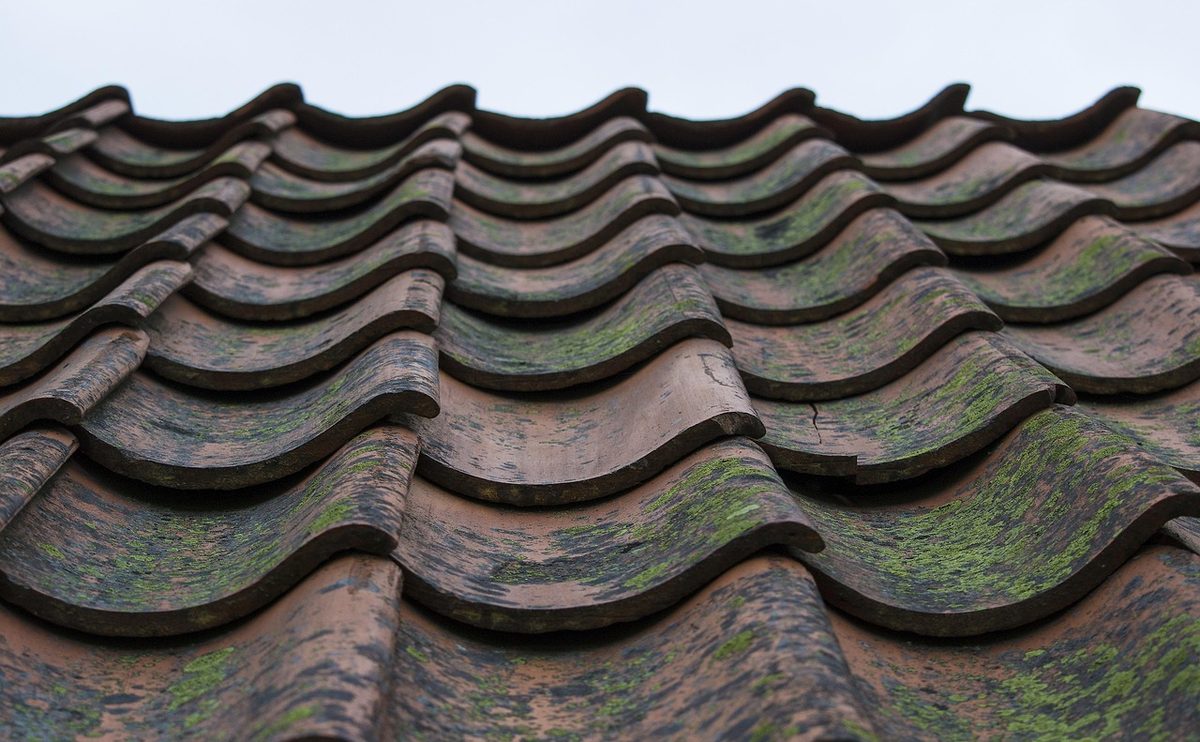
Taunton adds a few complications. Plenty of homes around the town are older stone or brick properties with Double Roman clay tiles, and rural jobs in places like Bishops Lydeard, Wiveliscombe or the Levels villages often mean longer travel, harder access and more scaffold. Those jobs tend to run longer, and longer jobs carry more payment risk. The local supply of good roofers is also tight. Like most of the South West, Somerset has fewer skilled roofers than it needs, and the decent firms are often booked 6-10 weeks ahead in autumn and winter. That can push homeowners into accepting whatever terms are offered just to secure a slot.
It doesn't have to. A reputable firm will happily explain how and when it wants paying before you sign anything. If you want to talk through a job and how the payments would be split, Roof Repairs Taunton can give you a written quote with the payment stages set out clearly.
What Deposit Is Reasonable for Roof Work?
For small repairs - a few slipped tiles, a ridge re-bed, a lead flashing - there's usually no reason to pay anything upfront. Most of those jobs cost £150-£800 and are done in a day. You pay when it's finished.

For larger jobs, a deposit is normal and fair. The roofer may need to order materials, and some materials are expensive. A typical guide:
- Repairs under £1,000: no deposit, pay on completion
- Jobs £1,000-£5,000: 10-20% deposit is reasonable, especially if special materials are ordered
- Full re-roofs and large jobs: 20-25% is the usual ceiling
- Reclaimed or made-to-order materials (reclaimed Double Romans, natural slate, bespoke lead): a deposit roughly matching the materials cost, which can be higher, but ask to see the order
A deposit above 25% on a standard job should get you asking questions. Anything at 50% or more before work starts is a big red flag, whatever the reason given. Big upfront payments are the common thread in most rogue-trader stories, and they cluster in the days after a bad Somerset storm.
Ask where the deposit goes
It's fair to ask a roofer what the deposit covers. A good answer sounds like "materials for your job, ordered from the merchant on the day you confirm". A vague answer, or "it secures your slot", is less reassuring. Some firms will even let you pay the merchant directly for materials, which keeps your money traceable.
Staged Payments on a Re-Roof
On a full re-roof, the fairest way to pay is in stages tied to things you can see, not dates on a calendar. That matters in Taunton, where wet weather can easily add a week or two to a job between October and March. If payments are linked to dates, you could end up paying for progress that hasn't happened.
A sensible structure for a £12,000 re-roof might look like this:
- Deposit on order: 20% (£2,400) to cover tiles, battens and membrane
- Old roof stripped, new membrane and battens on: 30% (£3,600)
- Tiles on, ridge and verges finished: 30% (£3,600)
- Completion and sign-off, scaffold down, site cleared: 20% (£2,400)
That final 15-20% is the important bit. It's the money that makes sure the snagging gets done, the gutters are cleaned out and the debris leaves your garden. Never pay it until you're happy, and ideally until you've seen photos of anything hidden, such as valleys and flashings.
Who pays when the scaffold overruns?
This is the Somerset question. Scaffolding is usually priced for a set period, often 4-8 weeks, and then charged weekly after that. If a job overruns because of rain, who covers the extra weeks? Get it in writing. A fair quote says the scaffold price is fixed for the job, or explains clearly when extra hire would be charged to you. On rural properties, where scaffold is often 20-30% of the total cost because of access, this one line can be worth several hundred pounds.
Before you get to payment terms, it's worth checking the quotes themselves line by line. We've covered that in our guide to comparing roofing quotes in Taunton and why prices differ by thousands, including what should and shouldn't be on a written quote.
Paying by Card: Section 75 and Why It Helps
If a roofing job costs between £100 and £30,000 and you pay at least part of it on a credit card, Section 75 of the Consumer Credit Act makes the card provider jointly liable with the roofer. If the firm goes bust or doesn't do the work, you can claim the money back from your card company. Which?'s guide to the Consumer Credit Act explains how the protection works and how to claim.

The useful part: you only need to put some of the cost on the card. Pay a £2,000 deposit on a credit card for a £12,000 job and the whole £12,000 contract is covered. So put the deposit on a credit card, even if you clear the balance the same week. It costs you nothing.
Debit cards and bank transfers
Debit cards don't have Section 75, though your bank may help through the voluntary chargeback scheme. Bank transfers have the least protection of all. Once the money's gone, getting it back from a firm that has disappeared is very hard. If a roofer will only take bank transfer for a large deposit, think twice. Card readers cost a small firm £20-£50, so "we don't take cards" is a much weaker excuse than it was ten years ago.
Roof Finance Options and Their Pitfalls
Not everyone has £10,000 sitting in a savings account, and a failing roof doesn't wait. There are a few ways to spread the cost, each with its own catches.

Finance offered by the roofer
Some roofing firms offer finance through a credit broker. This is fine if the firm is authorised by the Financial Conduct Authority (or acts as an appointed representative of a firm that is), and you're given the full APR and total repayable in writing. Interest rates on home improvement finance commonly range from 0% on short promotional deals up to 20-30% APR. A £10,000 loan at 19.9% over five years costs over £5,000 in interest. Always compare the offer against a personal loan from your own bank.
The pitfalls to watch:
- Pressure to sign the finance on the day - you have 14 days to withdraw from a credit agreement, so there's no need to rush
- 0% deals that flip to a high rate if one payment is missed or the balance isn't cleared by a deadline
- Finance paid straight to the roofer upfront , which removes your leverage before work starts
Finance arranged through the roofer usually gives you Section 75-style protection too, because the lender is connected to the supplier. That's one genuine advantage.
Other options
A personal loan from your bank gives Section 75 protection only if the lender pays the roofer directly, so most standard personal loans don't. Remortgaging spreads the cost over decades and can work out far more expensive in total. And if the roof damage came from a storm, check your buildings insurance first, because part or all of the cost may be covered.
Cancellation Rights and the 14-Day Cooling-Off Period
If you agree a roofing contract in your own home, or anywhere other than the roofer's business premises, you usually get a 14-day cooling-off period under the Consumer Contracts Regulations 2013. The roofer must give you written cancellation information. If they don't, the cancellation period can stretch to up to 12 months, which is a big incentive for honest firms to get the paperwork right.

Most roofing quotes in Taunton are agreed on the doorstep or at the kitchen table after a survey, so this applies to a lot of jobs. It means you can sign, sleep on it, and still change your mind without losing your deposit.
If you want work to start straight away
If you ask the roofer to start inside the 14 days, for example to stop an urgent leak after a storm, you must ask in writing. If you then cancel, you may have to pay for work already done. For genuine emergency repairs, that's fair. What isn't fair is a roofer pushing you to "waive" the cooling-off period on a full re-roof that won't start for six weeks anyway.
Deposit Protection and Insurance-Backed Guarantees
Two things can protect your money beyond the payment terms themselves.

The first is deposit protection insurance. Some firms registered with schemes like TrustMark offer cover that refunds your deposit if the firm stops trading before the job is done. Typical cover is for deposits up to 25% of the contract value. TrustMark's homeowner pages explain what its registered businesses must offer and how to check a firm.
The second is an insurance-backed guarantee (IBG). Many roofers give a 10-year workmanship guarantee, but a guarantee is only worth something while the firm exists. Construction has one of the highest business failure rates of any UK sector, so on a big job, a guarantee backed by a separate insurer is worth asking about. An IBG usually costs £50-£250 on a re-roof and transfers to the next owner if you sell, which helps at survey time.
Ask for both in writing, with the insurer named. If a firm claims to offer them but can't tell you who the insurer is, treat the claim as unproven.
Red Flags When Paying for Roof Work in Taunton
Most Taunton roofers are honest, hard-working tradespeople. But the doorstep cold-caller still turns up, particularly after storms, when hundreds of roofs across Somerset take damage in a single night. Walk away if you see any of these:
- Cash only, or a big discount for cash - no paper trail and no card protection
- Deposits of 40-50% or more before anything is ordered
- No written quote with a breakdown, an address and a company or VAT number you can check
- "Today only" prices, or pressure to sign before you've had other quotes
- No cancellation notice for a contract agreed at your home
- Payments due by date rather than by stage of work
- Surprise extras once the roof is open, with cash demanded before work carries on
That last one needs some care. Rotten battens or a damaged rafter genuinely can turn up once tiles are stripped, especially on older Taunton properties. A good roofer will show you the problem, give you a written price for it and agree how it fits into the stages. A bad one wants cash today.
Frequently Asked Questions About Paying for Roof Work in Taunton
How much deposit should a roofer ask for in Taunton?
For small repairs, nothing - pay on completion. For larger jobs, 10-25% is normal, mainly to cover materials. A deposit above 25% on a standard job, or 50% before work starts, is a warning sign.

Should I pay for roof work by credit card?
Paying at least part of the cost by credit card is a good idea for jobs between £100 and £30,000. Section 75 makes the card provider jointly liable if the roofer fails to do the work or stops trading.
Can I cancel a roofing contract after signing?
If you agreed the contract at home or away from the roofer's premises, you normally have 14 days to cancel under the Consumer Contracts Regulations. If you asked for work to start sooner, you may have to pay for work already done.
Who pays if scaffolding stays up longer because of rain?
It depends on your contract. Ask for the scaffold price to be fixed for the job, or for the quote to state when extra weekly hire would be charged, before you sign.
Ready to work with Roof Repairs Taunton?
Let's connect! We’re here to help.
Send us a message and we’ll be in touch.
Or give us a call today at 01823 746216
Agency Contact Form
More Marketing Tips, Tricks & Tools