Jackdaws in Chimneys in Taunton: Nesting Law, Birdguards, Cowls and 2026 Costs
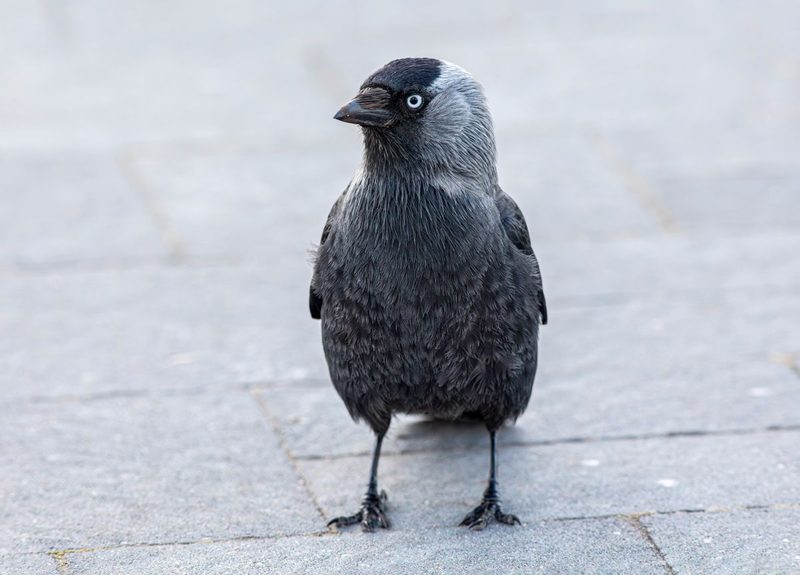
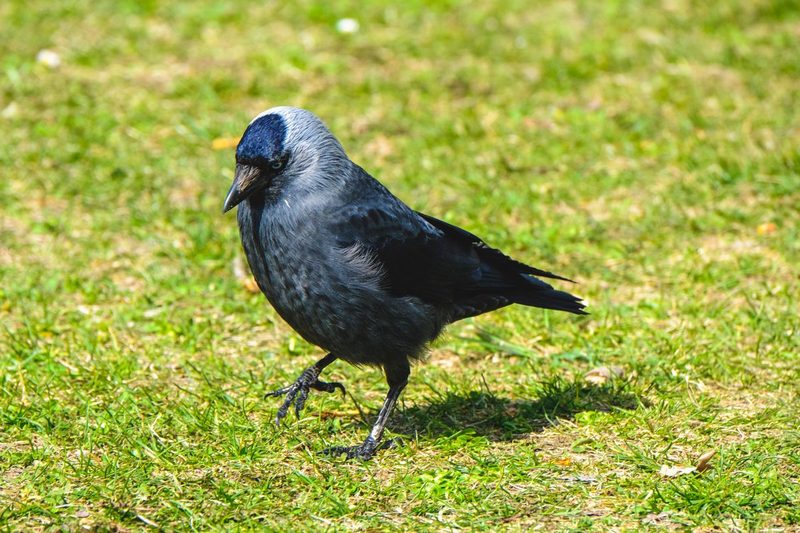
Every spring, somewhere in Taunton, a homeowner lights the wood burner for the first time in weeks and the room fills with smoke. Nine times out of ten the culprit is a jackdaw. These small grey-naped crows love chimneys, and they're very good at filling one with sticks, sometimes a metre or more deep, in a fortnight. The UK has well over a million breeding pairs, and Somerset's mix of farmland, old trees and church towers suits them perfectly. Taunton's mild climate doesn't help. With few hard frosts and winters that are generally gentler than the UK average, open chimney pots stay attractive nesting spots, and jackdaws come back to the same chimney year after year. If you've got a working fire, a blocked flue isn't just a nuisance. It's a carbon monoxide and chimney fire risk. Here's how the law works, what proofing actually stops them, and what it costs in Taunton.
Why Jackdaws Choose Taunton Chimneys
Jackdaws naturally nest in holes: hollow trees, cliff ledges, gaps in old buildings. A chimney pot is just a very convenient hole. They drop sticks in until some catch across the flue, then build up from there and line the top with wool, hair and moss.
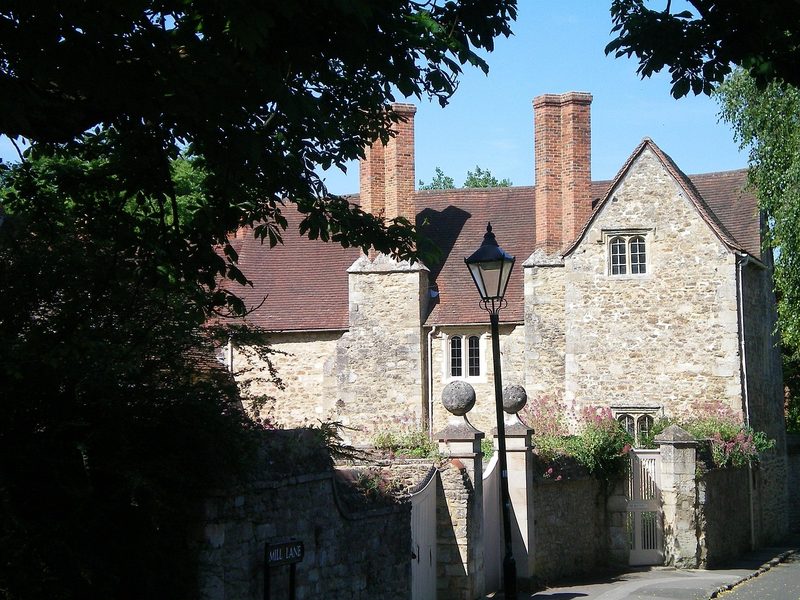
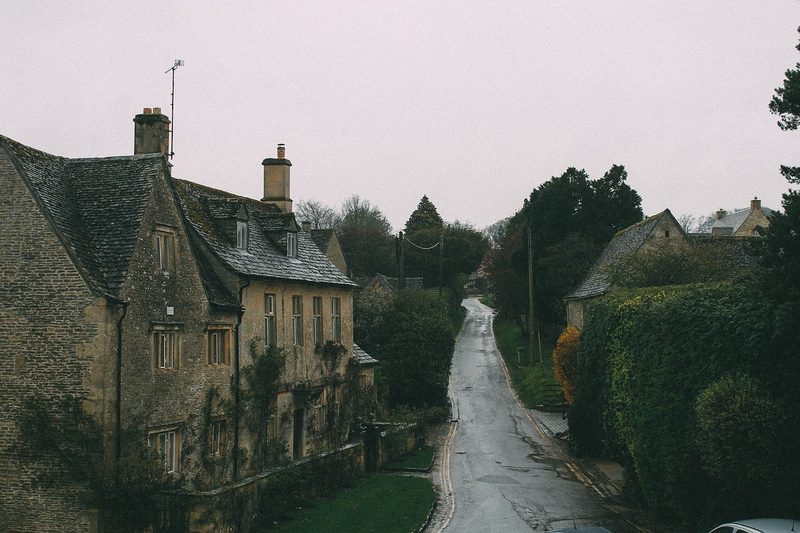
Taunton has a lot of chimneys that suit them. The Victorian and Edwardian terraces around Rowbarton, Wilton and the streets off the Kingston Road still have tall stacks with open pots. Many 1930s semis do too. And out in the villages around the town, cottages with big stone stacks sit right next to the fields and trees that jackdaws feed in.
Disused chimneys are the most common target, because there's no heat or smoke to put birds off. But a chimney used only occasionally, which describes plenty of Taunton wood burners in spring and summer, is just as vulnerable.
If you think birds are nesting in your chimney, Roof Repairs Taunton can check the stack and pots, clear the flue once it's legal to do so, and fit proofing that'll keep them out.
Signs You Have Jackdaws in Your Chimney
The giveaways tend to arrive between March and June:
- Twigs and sticks falling into the fireplace or onto the stove's top plate
- Scratching, rustling or "chack" calls from inside the chimney breast, especially early morning
- Birds repeatedly landing on the chimney pot carrying sticks
- Smoke coming back into the room when you light the fire
- A strong smell, or flies, later in the season
If you see the birds carrying sticks to the pot, assume there's a nest. Don't light the fire until it's been checked.
The Law on Removing Jackdaw Nests
This is where people go wrong. Jackdaws, like all wild birds, are protected under the Wildlife and Countryside Act 1981. It's an offence to intentionally take, damage or destroy the nest of a wild bird while it's being built or in use, or to take or destroy eggs.
In practice that means:
- If birds are actively building or nesting, you normally have to wait until the young have fledged
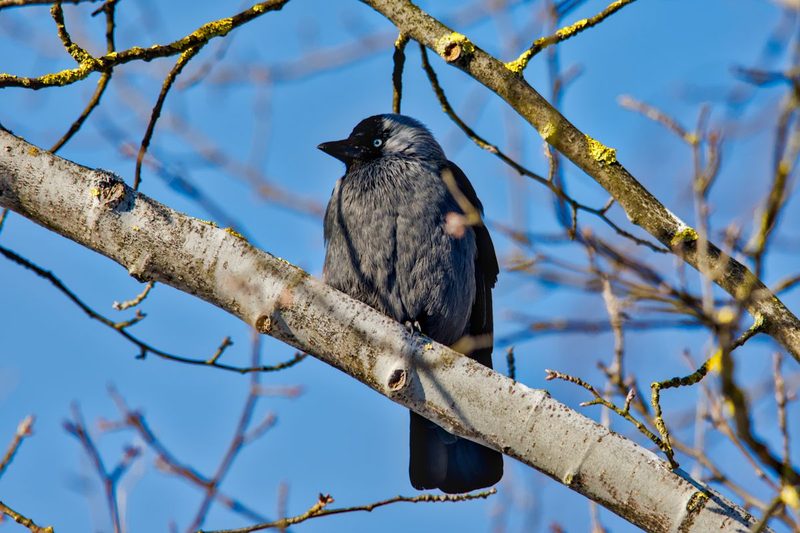
- Jackdaws usually lay in April and the young leave by late June or July
- From August onwards, an empty nest can be removed and the chimney proofed
- There are narrow general licences that allow action against some birds in specific circumstances, such as genuine public health or safety risks, but relying on them without advice is risky
For most Taunton homeowners, it comes down to timing. Get the chimney proofed between September and February, before the birds start building, and you avoid the problem entirely. The RSPB's jackdaw guide has more on their nesting habits and timings.
We covered wildlife law around roofs in more depth, including bats and nesting birds before any roof work, in our guide to bats in roofs in Taunton and the legal checks before work starts.
The Real Risks of a Blocked Chimney
A jackdaw nest isn't a harmless pile of twigs. In a working chimney it creates two serious risks.
Carbon monoxide
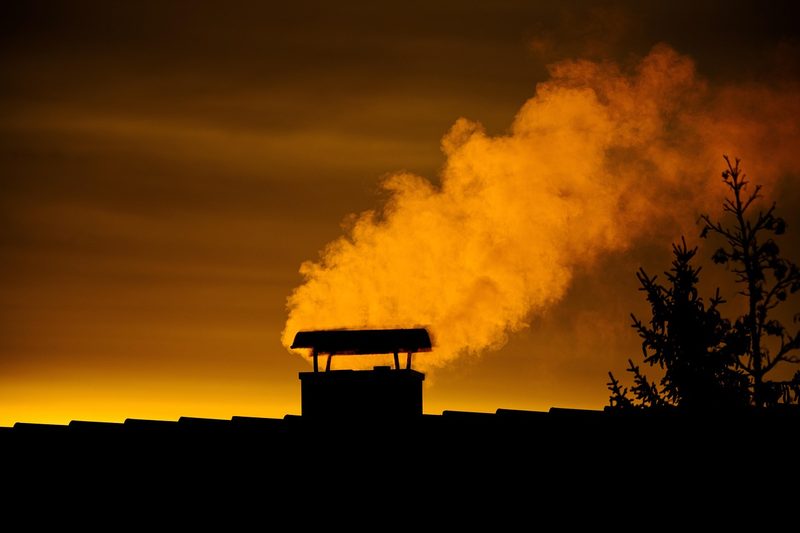
A blocked flue stops combustion gases escaping. With a wood burner or open fire, carbon monoxide can build up in the room with no smell or visible warning. Every room with a solid fuel appliance should have a working carbon monoxide alarm, and it's a legal requirement in rented homes.
Chimney fires
Dry sticks, wool and moss packed into a flue are excellent kindling. Add soot and tar from a wood burner and a nest can catch, setting the chimney on fire. Chimney fires can crack flue liners and damage the stack, and in older Taunton homes with timbers built close to the chimney breast, they can spread.
If you've had birds in the chimney, get it swept and inspected before you use the fire again. A good sweep will tell you if the nest has been fully cleared.
Birdguards and Cowls That Actually Work
The fix is physical. Something has to stop the birds getting into the pot. The right product depends on whether the chimney is in use.
For working chimneys
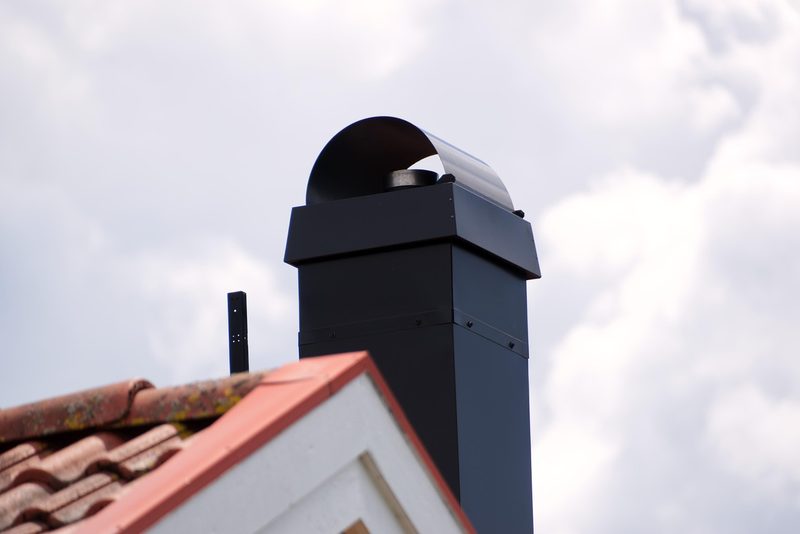
A birdguard or anti-downdraught cowl with a mesh cage around the outlet lets smoke out but keeps birds in the open air. The mesh needs to be the right size for wood burners, typically around 20-25mm, because tighter mesh clogs with soot. Stainless steel lasts much longer than galvanised.
For disused chimneys
A capping cowl or ventilated cap closes the pot to birds and rain while still letting a little air through to stop damp building up in the old flue. Fully sealing a disused chimney without ventilation leads to damp patches on the chimney breast, which is a common problem we see in Taunton's older terraces.
What doesn't work
Chicken wire stuffed into the pot, plastic owls on the ridge, or netting tied round the stack. Jackdaws are clever and persistent. Cheap fixes last a season at most.
Chimney Proofing Costs in Taunton for 2026
Typical prices, including VAT:
- Chimney sweep after nest removal: £80-£150
- Nest removal from a blocked flue, where it's deep: £150-£400
- Birdguard or mesh cowl fitted from a ladder: £150-£350 per pot
- Ventilated capping cowl on a disused pot: £120-£300 per pot
- Access by tower scaffold or cherry picker for a taller stack: £300-£800
- Full scaffold to a tall chimney with repointing done at the same time: £800-£1,800
The access is usually the biggest part of the bill. If the chimney also needs repointing, a new flaunching around the pots, or lead flashing repairs, doing everything in one visit saves a second access charge.
Getting It Done Before Spring
Somerset has the same shortage of skilled roofers as the rest of the country, and Taunton roofers are busiest from October to March with storm repairs and winter leaks. Chimney proofing is a small job, and it often gets slotted in when a firm has a quiet day or is already working nearby. Book it in autumn and you'll usually get it done well before the jackdaws start building in March. Leave it until April and you may have to wait until the summer, with a cold fireplace in the meantime.
Frequently Asked Questions About Jackdaws in Chimneys in Taunton
Is it illegal to remove a jackdaw nest from my chimney?
It is normally illegal to damage or destroy an active nest while birds are building or using it. Once the young have left, usually by July, the empty nest can be removed and the chimney proofed.
How much does it cost to stop birds nesting in a chimney in Taunton?
Fitting a birdguard or cowl usually costs £150-£350 per pot in 2026 from a ladder. Access for taller chimneys can add £300-£800, and clearing a deep nest can cost £150-£400.
Can I light my fire if there's a nest in the chimney?
No. A nest can block the flue, causing carbon monoxide to build up, and the dry material can catch fire. Have the chimney cleared, swept and checked before using it.
When is the best time to fit a chimney birdguard?
Between September and February, before jackdaws start nest building in March. That avoids any legal issue with active nests.
Ready to work with Roof Repairs Taunton?
Let's connect! We’re here to help.
Send us a message and we’ll be in touch.
Or give us a call today at 01823 746216
Agency Contact Form
More Marketing Tips, Tricks & Tools