Roof Valley Repairs Taunton: Lead, GRP, Dry and Clay Valleys Explained (2026 Costs)
A roof valley is a narrow channel, but it can carry 30-40% of the rainwater that lands on the slopes either side of it. That's why roof valley repairs in Taunton come up so often after a wet autumn. The town itself gets around 750-850mm of rain a year, a bit below the UK average of about 1,160mm, but the Quantocks to the north and the Blackdown Hills to the south both push past 1,000mm, and Exmoor beyond them gets well over 1,500mm. The fronts that bring that rain arrive on westerly winds, so Taunton roofs take long, driven soakings rather than short showers. A damp patch on a ceiling below where two slopes meet often points to the valley. This guide covers the main valley types on Somerset houses, why each one fails, how a roofer finds the fault, and what a repair costs in 2026.
What a Roof Valley Is and Why It Matters on Taunton Roofs
A valley is the internal angle where two pitched roof slopes meet, usually where an extension, dormer or cross-wing joins the main roof. Water from both slopes runs towards it, so the valley works like a steep gutter. On a typical L-shaped Taunton semi, one valley might drain 20-25 square metres of roof. In a heavy downpour of 10mm an hour, that's roughly 200-250 litres running down a channel only a few hundred millimetres wide.

When a valley fails, water often runs along the timbers and comes through a ceiling a metre or more away, so valley leaks get mistaken for chimney or flashing problems. If you're not sure where your leak is coming from, the team at Roof Repairs Taunton can come out and inspect it before any money gets spent on the wrong fix.
Valleys also wear out first. A tile roof might last 60-100 years, but badly laid lead can split in 15-25 years and mortar valleys need repointing every 15-20.
The Types of Valley You'll Find on Somerset Roofs
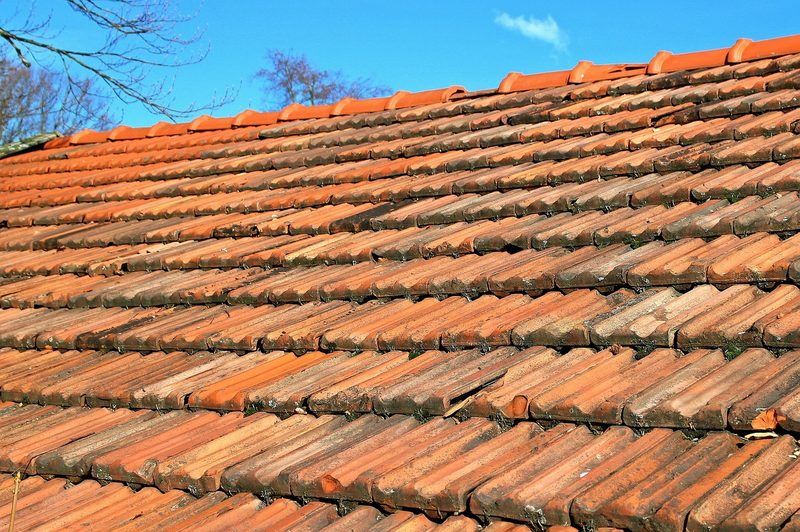
Taunton's housing is mixed: Victorian terraces in slate and Double Roman clay, post-war semis in concrete interlocking tiles, and newer estates around Monkton Heathfield and Comeytrowe with dry-fix systems. Each era tends to have its own valley type.
Open lead valleys
Lead sheet is dressed onto a valley board, and the tiles or slates stop short to leave an open channel of about 100-150mm. Common on older slate roofs. Done well, it lasts 50 years or more.
GRP trough valleys
Preformed glass-reinforced plastic troughs that sit on the valley board, with tiles bedded or clipped over the edges. They're a cheaper stand-in for lead with no scrap value to tempt thieves.
Dry and preformed valleys
A moulded unit with built-in ribs, with tiles mechanically fixed and no mortar. Most new-build roofs from the last decade use them. No mortar means nothing to wash out.
Mortar-bedded valley tiles
Curved, purpose-made tiles laid down the valley line and bedded in sand and cement, common on older concrete tile roofs. They look neat but depend entirely on the mortar.
Laced, swept and mitred valleys
On older clay roofs, swept or laced valleys curve the tiles continuously from one slope to the other, while mitred valleys cut tiles to meet over hidden lead soakers. Skilled work, often found on listed properties.
Valley boards
Most valleys sit on a timber valley board. After a long-running leak it's often soft or rotten, which turns a quick fix into a bigger job.
Why Roof Valleys Leak
Roughly half the valley jobs we see trace back to split lead or failed mortar. Most of the rest are debris, poor workmanship or storm damage.
- Split lead. Lead expands and contracts with temperature. If a single piece runs too long, or is nailed too tightly, it can't move, and it cracks. The Lead Sheet Training Academy's guidance on lead sheet codes and fixing recommends Code 4 or Code 5 lead for valley gutters, laid in lengths of no more than about 1.5m with laps of at least 150mm. Valleys laid in Code 3, or in 3m runs, are the ones that split.
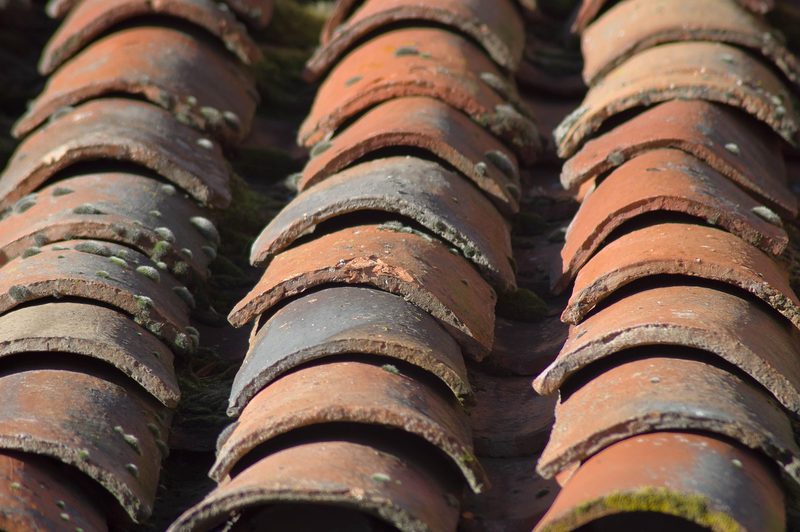
- Mortar washout. Sand and cement bedding shrinks and cracks over time. Once it crumbles, wind-driven rain gets under the valley tiles. Taunton's frequent freeze-thaw nights in January and February speed this up.
- Debris dams. Leaves, moss and twigs collect at the bottom of the valley and wherever the angle is tightest. Houses near mature trees often see valleys block every autumn, and water backs up over the edge of the channel onto the felt.
- Poor detailing. Lead that's too thin, valley boards that are too narrow, or tiles cut too close to the channel all reduce how much water the valley can carry.
- Brittle GRP. Cheaper GRP troughs can go brittle after 20-25 years and crack at fixing points.
- Storm damage. Westerly gales lift tiles along the valley edge, letting water in at the cut tile line.
How a Roofer Diagnoses a Valley Leak
A proper diagnosis starts in the loft, looking at the underside of the valley for staining, wet felt or soft timber. Tide marks usually point to the exact spot, often 1-2m above the ceiling stain. Around 1 in 4 suspected valley leaks turn out to be something else, often a chimney or condensation.
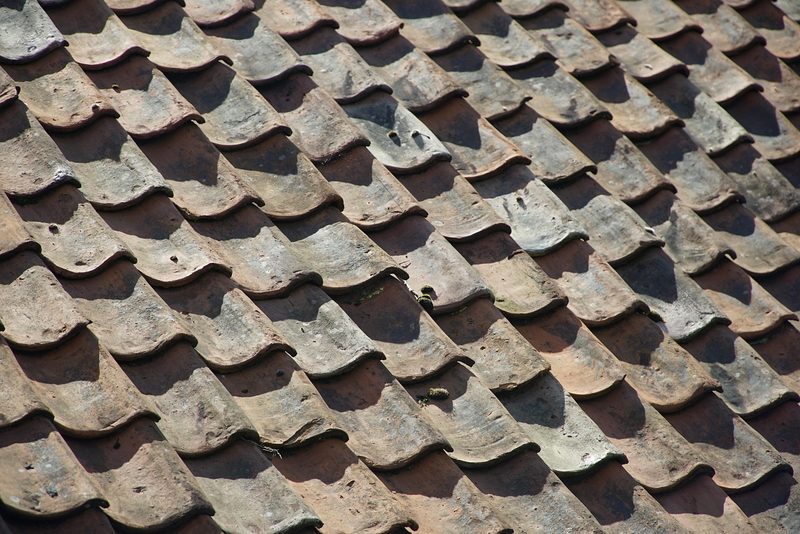
Outside, the roofer looks for split lead, cracked valley tiles, open mortar joints, blocked channels, slipped cut tiles, and old bodges like bitumen paint or silicone.
If the cause still isn't clear, a controlled water test is the next step. One person runs a hose down a section of valley while another watches from the loft. Expect £75-£150 for this, often knocked off the repair bill. Skilled roofers are stretched across Somerset, so it's worth booking an inspection early in autumn rather than waiting for the first big storm, when lead times of 2-4 weeks are normal.
Repair or Replace: Options for Each Valley Type
Not every leaking valley needs stripping out. It depends on the type, its age, and how much water has already got in. Honestly, the last one matters most - a soft valley board turns a £300 patch into a £1,200 rebuild.

Lead valleys
A small split in otherwise sound lead can sometimes be patched with a lead-welded repair, but patching with bitumen or flashband is only ever a stopgap and usually lasts 1-2 years. If the lead is thin, heavily split, or laid in overlong lengths, replacement is the better value. The National Federation of Roofing Contractors is a useful place to find members who follow current lead and tiling standards.
GRP and dry valleys
Cracked GRP troughs generally get replaced rather than repaired, since the cost difference is small. Dry valleys often just need cleaning or refixing. On a house under 10 years old, check the build warranty first.
Mortar-bedded valley tiles
If the tiles are sound and only the mortar has failed, the valley can be raked out and rebedded. Many roofers now suggest converting to a dry valley at the same time, which costs a little more but removes the mortar maintenance cycle entirely.
Swept, laced and mitred valleys
These are specialist jobs. Repairs usually mean carefully stripping the affected section, renewing the hidden soakers or valley board, and relaying the original tiles. On Double Roman roofs, finding matching clay tiles is often the hardest part. We've covered tile types and their quirks in more detail in our guide to choosing roof tiles in Taunton, from Double Roman clay to natural slate, which is worth reading if your roof is clay.
Roof Valley Repairs Taunton: 2026 Costs per Metre and per Job
Prices vary with height, access and timber condition, but these are realistic 2026 ranges for Taunton and nearby villages:

- Valley clearing and inspection: £100-£200 per valley, or less if done with gutter cleaning
- Repointing or rebedding mortar valley tiles: £30-£55 per metre
- Lead patch or welded repair: £150-£350 per repair
- Full lead valley replacement (Code 4/5): £90-£160 per metre, including relaying tiles
- GRP valley replacement: £60-£100 per metre
- Converting to a dry valley system: £70-£120 per metre
- Swept or laced clay valley rebuild: £150-£250 per metre
- Valley board replacement: add £20-£40 per metre
For a whole job, a typical 4-5m valley on a two-storey Taunton semi comes to around £600-£1,200 for a GRP or dry valley replacement, and £800-£1,600 for new lead. If scaffolding is needed, add £500-£900 for a typical house. Most of these jobs take 1-2 days once the weather's dry.
When to Book Roof Valley Repairs in Taunton: Somerset Weather and Timing
The wet season in the Vale of Taunton typically runs from October through to March - about six months, compared with five or so in much of eastern England. The Met Office's long-term climate averages let you compare your nearest station with the rest of the country. The short version: the town is moderate, the hills either side are not.

That matters for repairs. Lead can go down in cold weather. Mortar bedding can't - it needs temperatures above about 5°C and a dry spell to cure, so mortar valley work is best done between April and October. GRP and dry valleys are less fussy. A mid-winter failure usually gets a temporary repair, with the permanent fix booked for a dry week.
Get valleys checked in late September or October, then cleared again in late November once the trees are bare. That second clear prevents most of the debris-dam leaks we see in December and January.
Frequently Asked Questions About Roof Valley Repairs in Taunton
How long does a roof valley repair take?
Most take 1-2 days. A clear-and-repoint can be done in half a day, while a full lead valley replacement on a two-storey house takes up to two days, weather permitting.

Is lead or GRP better for a roof valley?
Lead lasts longer - 50 years or more in Code 4 or 5 - and suits period and slate roofs. GRP is cheaper at £60-£100 per metre against £90-£160 for lead, and doesn't attract thieves.
Can I clear my own roof valley?
A bungalow valley, maybe, if you're confident on a ladder. On a two-storey house it needs a roof ladder or tower, so book it in with gutter cleaning instead.
Will my home insurance cover a leaking roof valley?
Usually only if a storm or similar event caused it. Aged lead and mortar washout count as maintenance, though ceiling and contents damage from a sudden leak may still be covered.
Ready to work with Roof Repairs Taunton?
Let's connect! We’re here to help.
Send us a message and we’ll be in touch.
Or give us a call today at 01823 746216
Agency Contact Form
More Marketing Tips, Tricks & Tools