Bats in Roof Taunton: The Law, Surveys and Nesting Birds Before Any Roof Work (2026 Costs)
If you suspect bats in your roof in Taunton, stop and read this before anyone strips a tile. All 17 bat species that breed in the UK are protected by law, and so are their roosts, whether or not the bats are home when the roofers turn up. Somerset is one of the better counties in England for bats, and some of that is right on Taunton's doorstep. Breaking the rules can mean an unlimited fine and up to 6 months in prison. In practice, most bat problems on a roof cost money because of timing rather than fines: emergence surveys can only be done roughly May to September, a licence can add 6-10 weeks, and a job that could have started in March ends up pushed to October. Nesting birds add a second clock, running roughly March to August. Here's how it all fits together, and what it costs in 2026.
Bats in Roof Taunton Homes: What the Law Actually Protects
Bats and their roosts are protected under the Conservation of Habitats and Species Regulations 2017, regulation 43, with extra cover from the Wildlife and Countryside Act 1981. The key point for homeowners is that a roost stays protected even when it's empty. Bats move between roosts through the year, so a gap under your ridge tiles that a colony uses for 3 months in summer is still legally a roost in January.
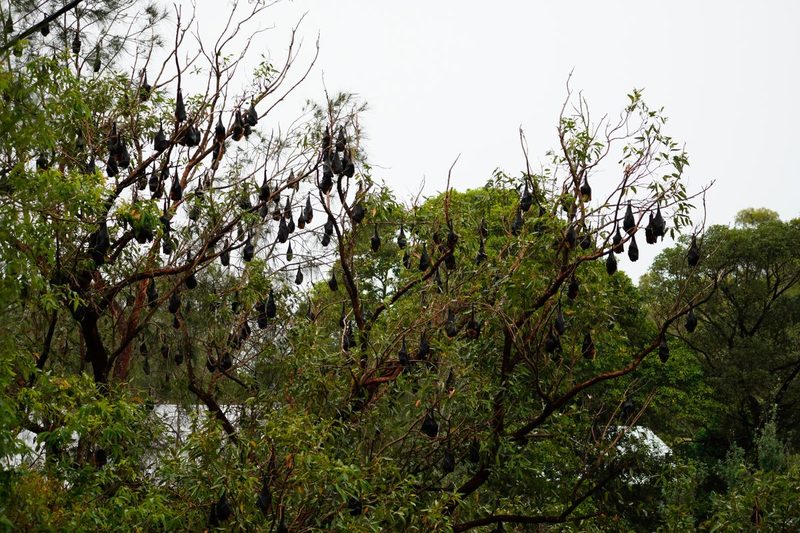
The offences cover more than harming a bat. Damaging or destroying a roost, blocking access to it, and disturbing bats while they're using it are all offences. Re-felting, replacing fascias or sealing gaps at the eaves can all do one of those things, even if nobody ever sees a bat. The government's guidance on bat protection, surveys and licences lists roof repair and replacement among the activities that can need a licence.
You can still work on a roof with bats in it. It just has to be planned around them. If you're not sure whether your job is affected, Roof Repairs Taunton can look at the roof, tell you whether the signs point to bats, and help you plan the work so it isn't held up later.
Why Somerset Matters for Bats
Somerset has records for most of Britain's bat species, and south-west England is a national stronghold for greater horseshoe bats, with important colonies around the Mendips. Closer to home, the roof spaces of Hestercombe House, a couple of miles north of town, are designated as the Hestercombe House Special Area of Conservation for lesser horseshoe bats. It's one of the biggest colonies of that species in the south-west.

Horseshoe bats forage along hedgerows, rivers and woodland edges, so homes on the edge of town towards the Quantocks, the Blackdowns or the Tone valley are more likely to fall in an area Somerset Council's ecologists care about. Expect a bat survey to be requested early on planning applications for older roofs, barn conversions and loft work there.
Most bats you'll find in a Taunton house roof aren't horseshoes, though. Common and soprano pipistrelles make up most domestic roost records. They're tiny, about 5g, and they squeeze into gaps of 15-20mm under hanging tiles, soffits and lead flashings. A single pipistrelle can eat around 3,000 insects a night, which is a decent trade for some droppings in the loft.
How the local climate plays into it
Taunton gets around 750-800mm of rain a year, well under the UK average of about 1,160mm, and its winters are mild. Bats here are active on more nights in March, April and October than further north, which narrows the "safe" roof work windows either side of the breeding season.
Signs You Have Bats in Your Taunton Roof
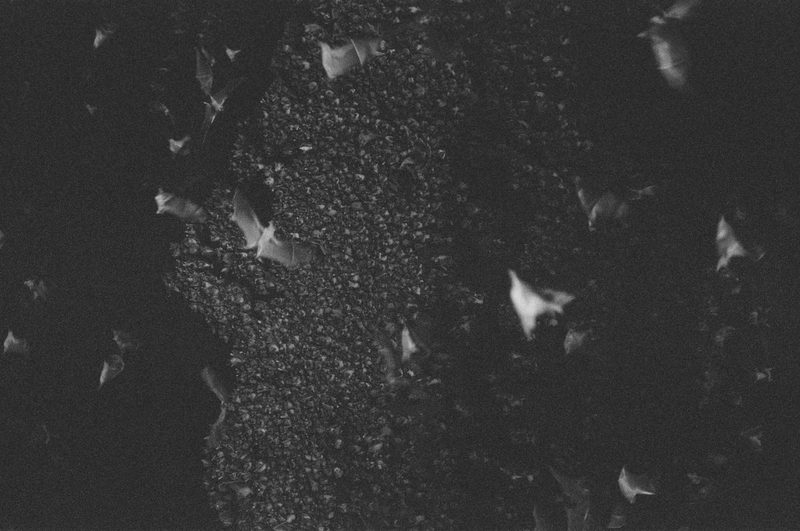
Bats don't chew or build nests, so the clues are easy to miss. Droppings are the best one. Bat droppings look like mouse droppings but crumble to a dry, sparkly powder when crushed (that's the insect wings). Mouse droppings go hard and smeary. Look on walls below gaps, on sills, or under the ridge in the loft.
Other signs to check:
- Small dark marks or greasy staining around a gap under tiles, soffits or barge boards
- Scratching or high-pitched chattering in the roof at dusk on summer evenings
- Bats seen leaving the roof in the first 30-60 minutes after sunset
- Piles of moth and butterfly wings in the loft, which long-eared bats leave under their feeding perches
- Dead or grounded bats near the house, especially in June and July
If you see any of these, tell your roofer before work is booked. A roofer who finds evidence halfway through a job has to stop, and you'll pay for idle scaffolding while an ecologist is found.
When You Need a Bat Survey, and When It Can Be Done
The first step is a preliminary roost assessment (PRA). A licensed ecologist inspects the outside of the building and the loft and grades the roof as negligible, low, moderate or high potential for bats. A PRA can be done at any time of year and usually takes 1-3 hours on a house.
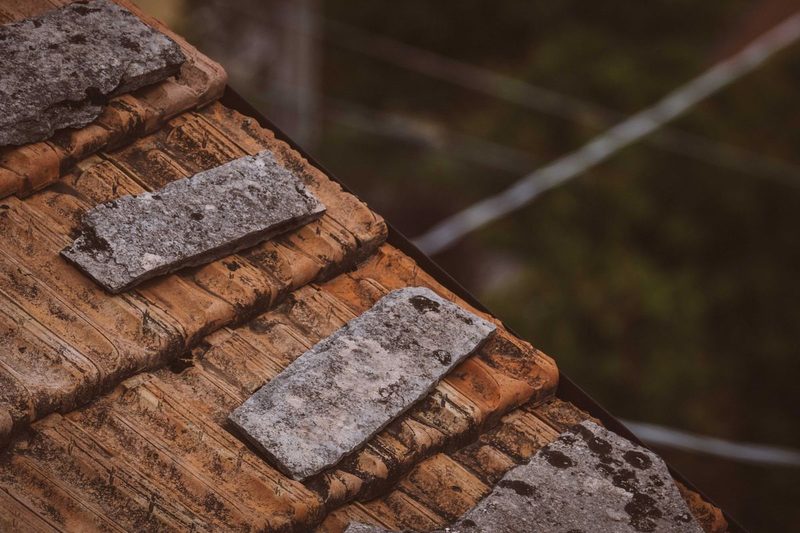
If the roof scores low or above, the ecologist will normally recommend dusk emergence or dawn re-entry surveys. These are the ones that bite on timing. Under the Bat Conservation Trust's survey guidelines, they can only be carried out roughly May to September, with May to August preferred, because that's when bats are reliably in their summer roosts. A low-potential roof usually needs 1 survey, moderate needs 2 and high needs 3, spaced a few weeks apart.
So a November PRA that says "moderate" means no finished surveys until May. That's the biggest reason re-roofs on older Taunton houses slip by 6 months.
Older and listed buildings
Victorian terraces, farmhouses and anything with lime-pointed ridges and gaps under the eaves score higher on a PRA than a 1990s estate house with tight soffits. If your house is listed or in a conservation area, you may be dealing with bats and listed building consent at the same time. We've covered the consent side in our guide to listed building and conservation area roof repairs in Taunton, and it's worth booking the bat survey at the same time as you start that conversation with the council, since one often holds up the other.
Natural England Licences and Roof Work Timing
If surveys confirm a roost and the work will affect it, you'll need a licence from Natural England before work starts. For most houses there are two routes. A full mitigation licence needs a detailed method statement from the ecologist and typically takes 6-10 weeks from submission to decision. For lower-impact cases, such as a small number of common species, many ecologists can register the site under a class licence they already hold, which is usually quicker.
Either way, the licence will set out when work can happen. Roofs with roosts are normally worked on in spring (roughly March to April) or autumn (September to October). That avoids the summer maternity season, when females gather to give birth, and the winter months when any bats present are hibernating and can't move. Expect conditions like hand-stripping tiles around the roost and new access points built into the finished roof.
Plan backwards from the work window. Book the PRA in winter, emergence surveys in May or June, submit the licence by July, and you can realistically be on the roof in September.
Nesting Birds and the March to August Rule
Birds are covered by the Wildlife and Countryside Act 1981. It's an offence to intentionally take, damage or destroy the nest of any wild bird while it's being built or in use. On Taunton roofs the usual residents are house sparrows, starlings, swifts and house martins, and swifts, starlings and house sparrows are all on the UK red list of birds of highest conservation concern.
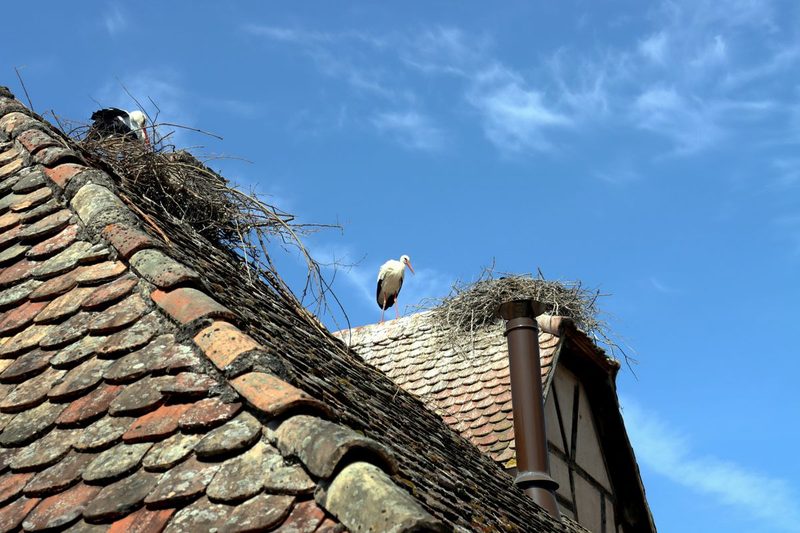
The main nesting season runs roughly March to August, and swifts often stay into early August. Unlike bats, birds don't need a licence in most domestic cases. You just have to wait until the nest is no longer in use. If a roofer finds an active nest at the eaves, that section waits.
The cheapest fix is timing: seal gaps or replace soffits between October and February. If you've got swifts, a swift brick or nest box built into the new fascia costs £40-£90 fitted and keeps the birds coming back.
Bat-Friendly Roofing Underlay: Bitumen 1F vs Breathable Membranes
This is where bats change the materials as well as the timing. Most modern re-roofs use a breathable roofing membrane, a spun plastic sheet that lets water vapour escape. The problem is that bats' claws can catch in the fibres, and some bats have been found tangled and dead. The Bat Conservation Trust's advice is to use traditional type 1F bitumen felt, reinforced with hessian, in roofs with bat roosts unless a membrane has been specifically tested as safe for bats.
Type 1F felt isn't breathable, so the roof needs proper ventilation to stop condensation in the loft: eaves vents giving the equivalent of a 10mm continuous gap, and often high-level or ridge ventilation too. Skip it and you get wet timbers and mould. The felt itself costs about the same as a mid-range membrane, but the extra ventilation usually adds £300-£800 on a typical semi.
Your licence may also ask for bat access tiles or slates, which cost around £40-£100 each fitted. Most houses need 2-4.
What Bats and Birds Add to Roof Costs in Taunton in 2026
Here's a realistic picture for a typical three-bed semi or terrace in and around Taunton. Figures are 2026 estimates and vary with the roof and the ecologist.

- Preliminary roost assessment: £350-£600
- Each dusk emergence or dawn re-entry survey: £400-£800 (two surveyors on site)
- Full survey set for a moderate or high roof: £800-£2,400
- Natural England licence application and method statement, prepared by an ecologist: £1,500-£3,500
- Ecologist site visits during the work: £250-£500 each
- Bat access tiles and extra ventilation: £400-£1,200
- Scaffolding held longer because of a stop-work: £100-£200 a week
If the PRA finds nothing, you've spent £350-£600. A confirmed roost and a licence can add £3,000-£7,000 to a re-roof that would otherwise cost £9,000-£14,000. That's a big jump, but far cheaper than a prosecution.
Local supply makes timing tighter. Somerset has a limited pool of bat-licensed ecologists, most fully booked for summer surveys by late April. Roofers are busy in spring and autumn too, exactly the windows a licence pushes you into, so booking both 3-6 months ahead is normal.
Frequently Asked Questions About Bats in Roof Taunton Homes
Can I get bats removed from my roof in Taunton?
Not by yourself, and not without a licence. Bats can only be excluded or moved under a Natural England licence, usually as part of planned building work. In most cases the roost is kept and new access is built back into the finished roof.
Do I need a bat survey for a simple roof repair?
Not always. Replacing a few slipped tiles away from any gaps, with no signs of bats, usually goes ahead without a survey. Re-roofing, re-felting, replacing soffits and fascias, or any work on an older roof with bat signs should start with a preliminary roost assessment, which costs around £350-£600.
When is the best time of year for roof work if there are bats or nesting birds?
Generally September to October, or March to April if no birds have started nesting. That avoids the bat maternity season (roughly May to August), bat hibernation (November to February) and the bird nesting season (March to August).
Is bitumen felt worse than a breathable membrane?
It's less breathable, so it needs good ventilation to avoid condensation. But in a roof with a bat roost it's usually the safer choice, because bats can get tangled in the fibres of many breathable membranes.
Ready to work with Roof Repairs Taunton?
Let's connect! We’re here to help.
Send us a message and we’ll be in touch.
Or give us a call today at 01823 746216
Agency Contact Form
More Marketing Tips, Tricks & Tools