Listed Building and Conservation Area Roof Repairs in Taunton: Slate, Double Romans, Consent and 2026 Costs
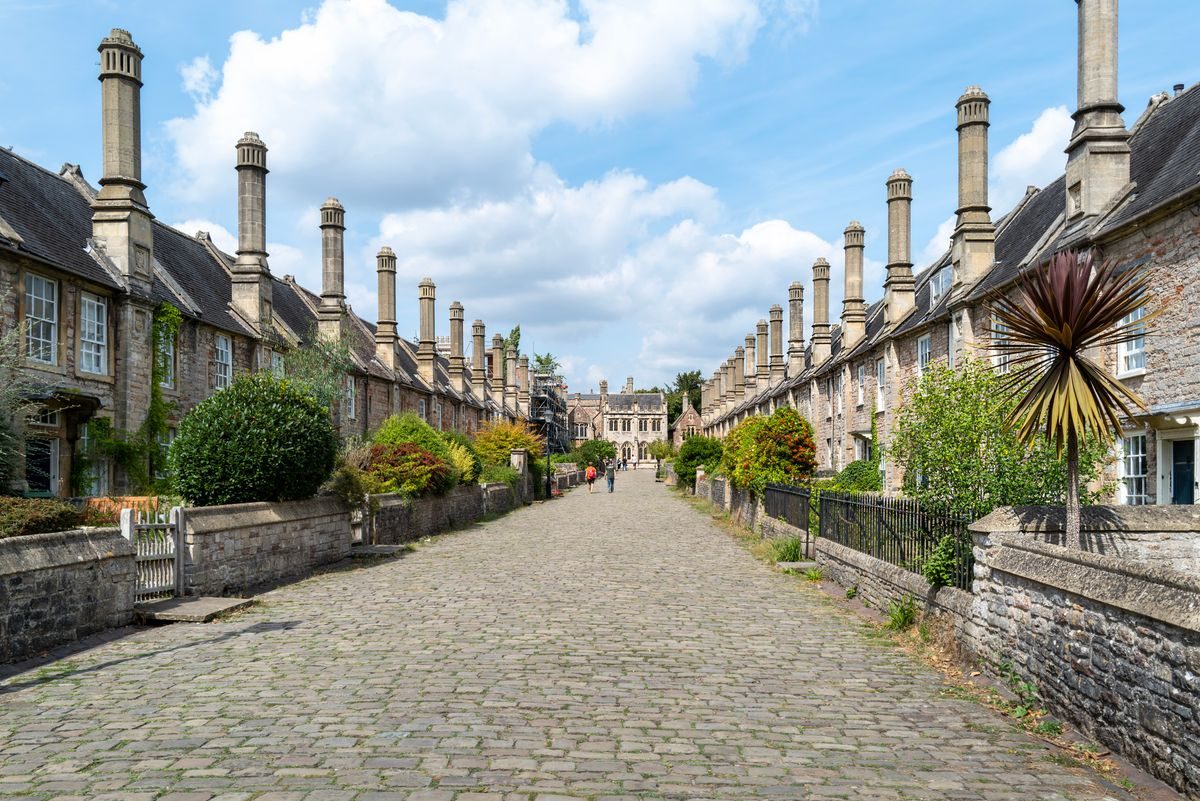
Listed building roof repairs in Taunton come down to one question: are you putting back what was there, or changing it? England has around 380,000 entries on the national list, and roughly 92% of them are Grade II - ordinary-looking terraces, farmhouses and townhouses, plenty of them in and around Taunton. Add the town's conservation areas and a good share of the older housing stock sits under some form of heritage control. Most of these roofs are Welsh slate or clay double Roman tiles made a few miles up the road in Bridgwater, often with hamstone or blue lias at the chimneys and gables. Taunton's 750-800mm of rain a year is below the UK average, but the wet season runs from October to March, so lime pointing and old fixings spend half the year damp. This guide works through those materials one at a time, then covers consent, costs, VAT and what happens if the work goes ahead without permission.
Listed or Conservation Area? Why It Changes a Taunton Roof Repair
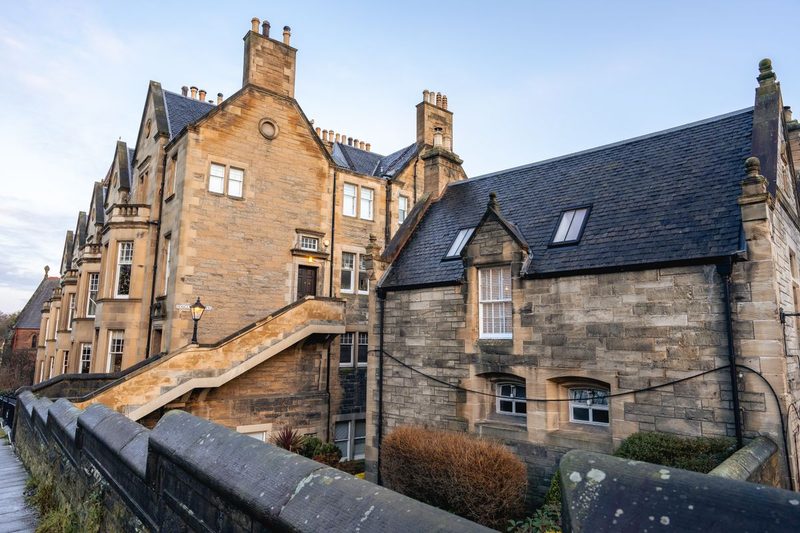
These are two different kinds of protection, and they don't carry the same rules. A listed building is protected inside and out, and the protection covers the whole fabric - roof timbers, slates, ridge tiles, even the nails in some cases. A conservation area protects the character of a street or district, so it's mostly about what you can see from outside.
Since April 2023 both are handled by Somerset Council, the unitary authority that replaced Somerset West and Taunton and the other district councils. Its guidance on living and working in Somerset's conservation areas is the place to check whether your street is covered and whether an Article 4 direction removes your usual permitted development rights. If you'd rather someone looked at the roof and told you which bits count as like-for-like, Roof Repairs Taunton can survey it and flag anything that needs the council's sign-off before work starts.
The rough split is this. In a conservation area, like-for-like repairs almost never need permission, while changing the roof covering, adding rooflights on a front slope or taking down a chimney often does. On a listed building, any work that affects its character needs listed building consent, and the council decides what counts as character - not the roofer and not the owner.
Welsh Slate Roofs in Taunton: Repair, Reslate or Substitute?
Welsh slate came into Taunton in volume once the Bridgwater and Taunton Canal opened in 1827 and the railway followed in 1842. That's why so many Victorian terraces around the town centre, Wilton and the older parts of Rowbarton carry thin blue-grey Welsh slate. Good Welsh slate can last 100-150 years. The nails usually give out long before the slate does - iron nails rust through in 60-80 years, and you get "nail sickness", where slates slide out one at a time.
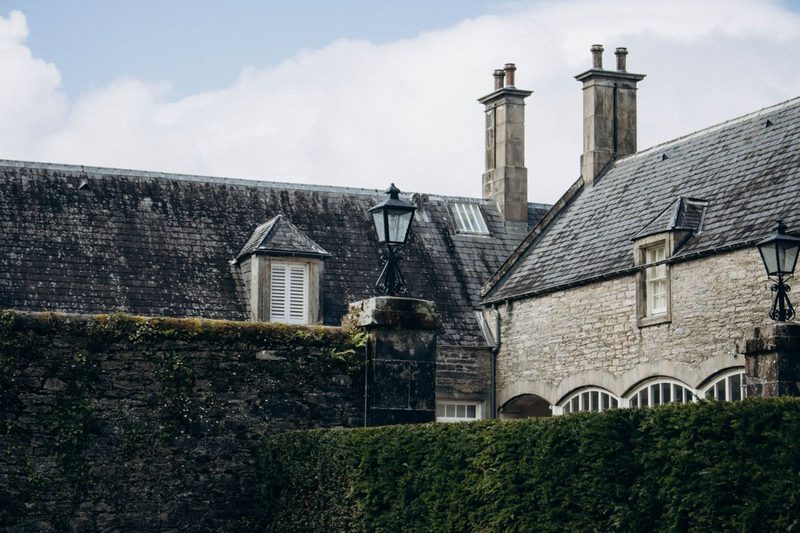
On a listed house, a few slipped slates refixed with copper tingles or new copper nails is a straightforward repair that needs no consent. Stripping and relaying the whole roof using the same slates, with perhaps 15-25% topped up from matching reclaimed stock, is usually like-for-like too, though it's worth telling the conservation officer first on a listed building. Problems start when someone suggests swapping to Spanish or Chinese slate, or a fibre-cement imitation. On a listed building that's almost always a change that needs consent, and it's frequently refused.
Why size and thickness matter
Welsh slates were sold in named sizes - Duchesses, Countesses, Ladies - and an old roof is often laid in diminishing courses, with bigger slates at the eaves and smaller ones towards the ridge. A replacement slate that's 2mm thicker or a different shade of blue stands out from the street. A good heritage roofer will set aside the sound slates during stripping, sort them by size, and put the reclaimed or new top-up slates on the rear slope where they're least visible.
Bridgwater Double Roman Clay Tiles: Matching the Local Look
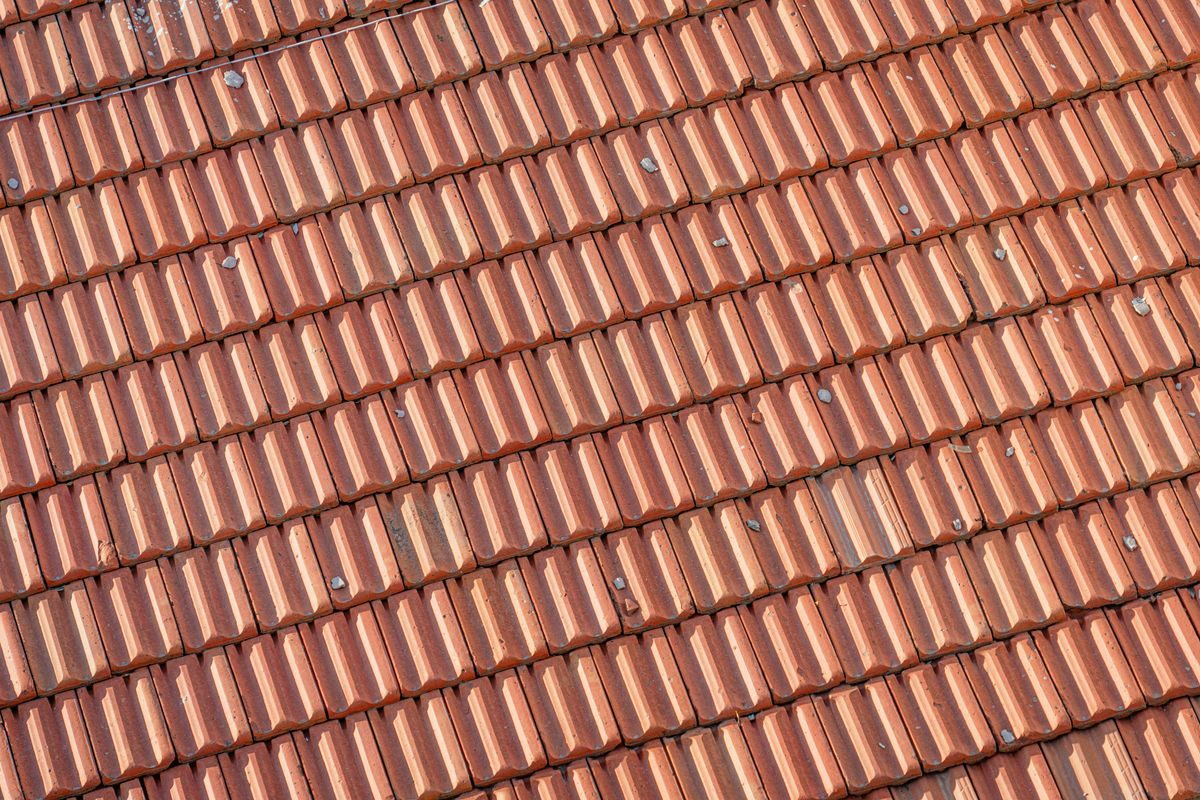
Head out of the town centre towards the villages and the roofs change from slate to orange-red clay. For roughly a century, the brick and tile works along the River Parrett in Bridgwater turned out huge numbers of clay tiles, and the double Roman - a big interlocking tile with two rolls and a flat pan between them - became the standard Somerset roof. You'll find them on farmhouses and cottages across Taunton Deane, from Bishops Lydeard to Creech St Michael.
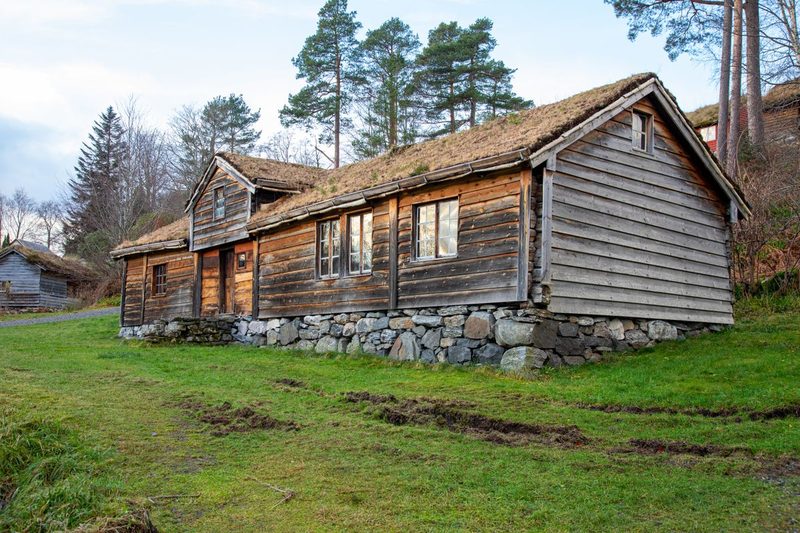
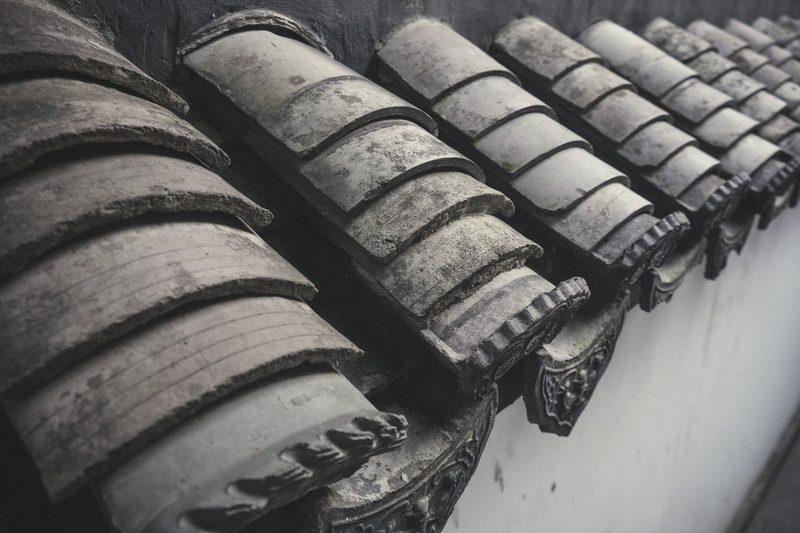
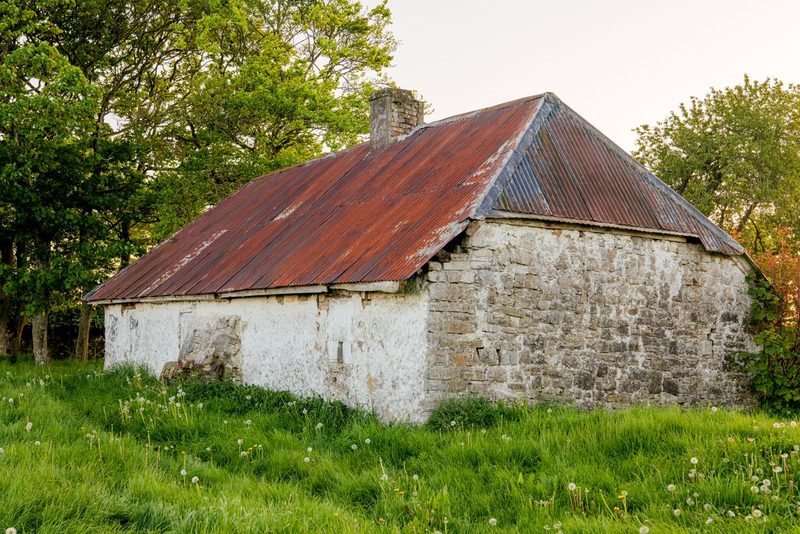
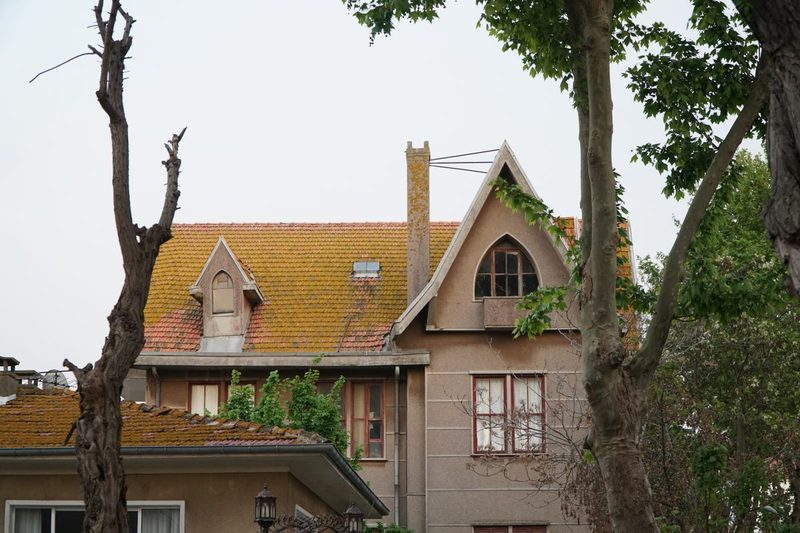
Those works are long closed, so you can't buy a new Bridgwater tile. Modern clay double Romans exist, but their colour, camber and weight are different, and set beside originals they look too clean and too even. On a listed building, the conservation officer will usually expect reclaimed Bridgwater tiles for repairs, and a well-matched reclaimed or handmade tile if a whole slope is being retiled.
Sourcing matching reclaimed tiles
Reclaimed double Romans turn up at reclamation yards across Somerset and Devon, often from barn conversions and demolitions. Expect to pay roughly £2-£4 per tile in 2026, depending on condition and whether the stamp is visible, against about £1.50-£2.50 for a new concrete double Roman. A typical cottage roof might need 80-150 replacements for a repair, and a full slope several hundred, so ask your roofer to reserve stock before the scaffold goes up rather than once it's already costing you £150-£250 a week. Many experienced Somerset roofers also hold their own stash of salvaged tiles for exactly this reason.
Hamstone, Lias and Lime Mortar: The Details Around Your Roof
The roof covering is only half the job on an old Taunton building. Gable copings, kneelers and chimney caps are often hamstone, the honey-coloured limestone quarried at Ham Hill near Yeovil. Walls and chimney stacks in the villages are frequently blue lias, the grey layered limestone found across the Somerset Levels. Both are soft compared with brick. Set them in hard cement mortar and the stone ends up taking all the movement and moisture, so it spalls and crumbles in 10-20 years.
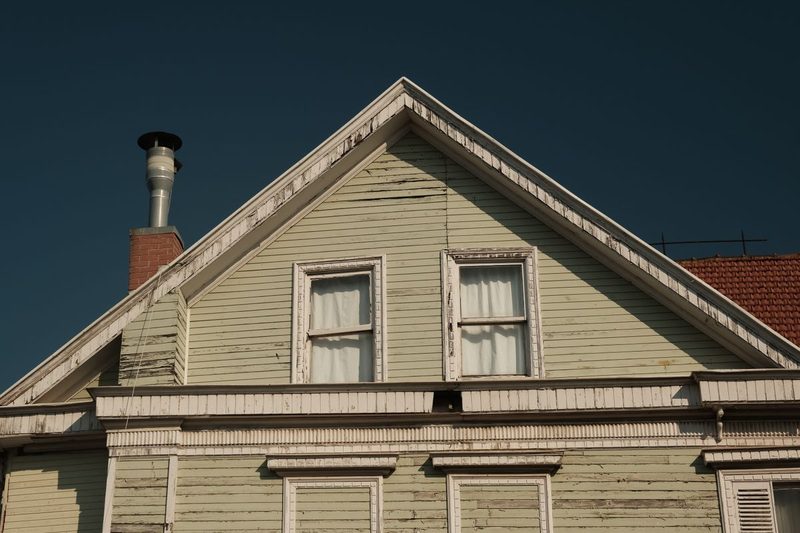
That's why lime mortar matters so much on heritage roofs. Natural hydraulic lime (NHL 2 or 3.5 for most roof work) lets moisture evaporate out through the joints rather than through the stone. It sets slowly, it needs protecting from frost and heavy rain for the first couple of weeks, and it should go on between April and October. In Taunton's mild climate that gives you a decent window of around six months, but a wet autumn can still delay a job.
Ridges and verges on period roofs
Ridge tiles on Victorian and older roofs were always bedded in lime, and that's what the council will expect on a listed building - not a dry ridge kit, and not cement. We've explained how mortar ridges fail and what the different fixes cost in our guide to ridge tile rebedding and repointing in Taunton; on a heritage roof, the same job simply uses a lime mix and takes a little longer to cure.
When Listed Building Roof Repairs Need Consent in Taunton
Under the Planning (Listed Buildings and Conservation Areas) Act 1990, you need listed building consent for any demolition, alteration or extension that affects a listed building's character. There's no application fee for listed building consent, and the target decision time is 8 weeks. Allow 10-12 weeks in practice, plus time to prepare drawings and a heritage statement.
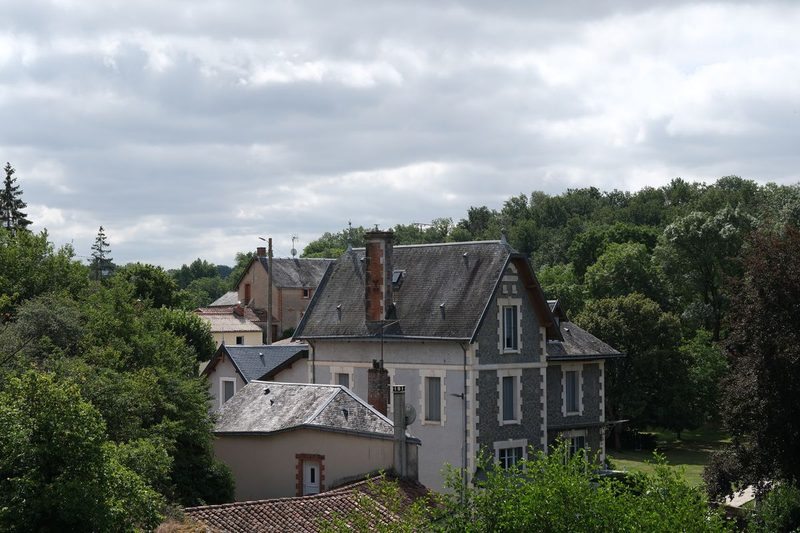
As a working guide:
- No consent usually needed: refixing slipped slates or tiles, replacing a handful of broken ones with exact matches, clearing gutters, repointing small sections in matching lime mortar.
- Speak to the conservation officer first: stripping and relaying a whole roof with the same materials, replacing lead flashings, rebuilding a chimney stack to its original design.
- Consent needed: changing the roof covering, adding insulation that raises the roof line, new rooflights or solar panels, removing a chimney, replacing timber gutters or cast iron with uPVC, altering dormers or bargeboards.
Conservation areas and Article 4 directions
If your house isn't listed but sits in a conservation area, you need planning permission for changes that alter the roof's shape or appearance from a road. Some streets also have Article 4 directions that bring smaller jobs, such as replacing slate with concrete tiles, under planning control. It costs nothing to ask the council first, and you'll get your answer in writing.
Heritage Roofing Costs in Taunton for 2026
Heritage work costs more than standard roofing because it's slower, the materials cost more, and there are fewer people who can do it well. Budget 20-50% more than you'd pay for the same job on a modern roof. Typical prices around Taunton in 2026:
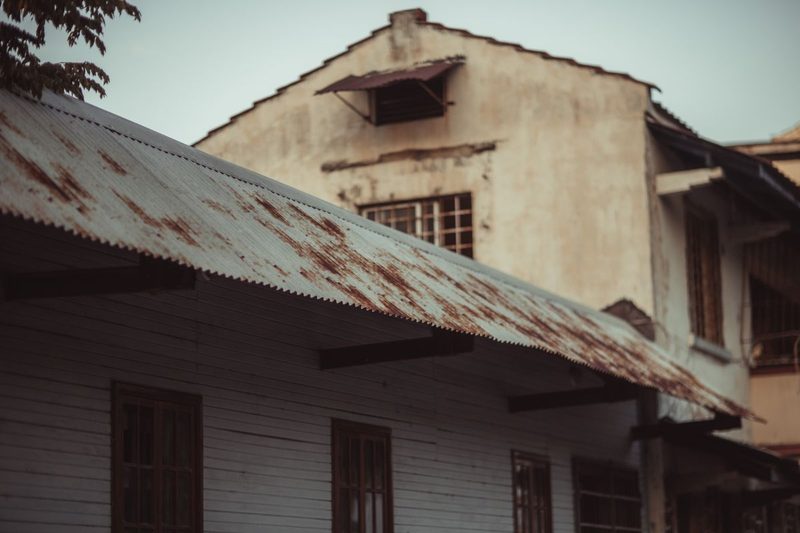
- Refixing 5-10 slipped Welsh slates with copper tingles: £200-£450 with ladder access, £500-£800 with a tower.
- Replacing 10-20 broken double Romans with reclaimed tiles: £350-£700.
- Rebedding a ridge in lime mortar: £70-£110 per metre, against £45-£75 for cement.
- Repointing a hamstone or lias chimney stack in lime: £600-£1,400 including scaffold.
- Strip and reslate a terraced roof (around 50m²) reusing original Welsh slate with reclaimed top-up: £9,000-£14,000.
- The same roof in new Welsh slate: £13,000-£20,000.
- Retiling a cottage roof (around 80m²) in reclaimed double Romans: £12,000-£18,000.
- Heritage statement or drawings for a consent application: £400-£1,200.
VAT on listed building work
Repairs and maintenance on a listed building are standard rated at 20%. The old zero rate for approved alterations to listed homes was abolished in October 2012, so even consented alterations are now charged at the full rate. The details are set out in HMRC's VAT Notice 708 on buildings and construction.
The Risks of Unauthorised Roof Work on a Listed Building
Unauthorised work on a listed building is a criminal offence, not just a planning matter. Section 9 of the Planning (Listed Buildings and Conservation Areas) Act 1990 makes it an offence to carry out work without consent, and on conviction in the Crown Court the penalty can be up to two years in prison, an unlimited fine, or both. The offence attaches to whoever carried out or arranged the work, and it isn't a defence to say you didn't know the building was listed.
Then there's the bill. The council can serve a listed building enforcement notice requiring you to put the roof back as it was, at your own cost - and on a roof that's been reslated in the wrong material, that can mean paying for the whole job twice, often £15,000 or more. Unauthorised work also comes up when you sell. Buyers' solicitors ask about consents, and missing paperwork can knock a sale off course or force a price cut. If you've bought a house where a previous owner did work without consent, the enforcement liability can pass to you.
Choosing a Heritage-Experienced Roofer in Taunton
Somerset has plenty of roofers, but far fewer who know lime work, reclaimed tile sourcing and the way a conservation officer thinks. Most general roofing firms in the Taunton area are set up for concrete tile and modern slate, and specialist heritage roofers often have waiting lists of 2-4 months over the summer, when lime work is possible. Book spring and summer jobs early.
When you're getting quotes, ask each roofer:
- Have you worked on listed buildings before, and can I see examples nearby?
- Will you reuse sound slates or tiles, and where will you source matching ones?
- Do you use lime mortar, and which mix?
- Will you liaise with the conservation officer or help prepare a heritage statement?
- What does your guarantee cover on lime work, which can need touching up in its first winter?
Pick the roofer who answers those without hesitating and photographs the roof before and after, even if they're not the cheapest. Keep every invoice and photo, because they're your evidence that the work was like-for-like if the question ever comes up.
Frequently Asked Questions
Do I need listed building consent to repair my roof in Taunton?
Not for genuine like-for-like repairs, such as refixing slipped slates or replacing a few broken tiles with exact matches. You need consent if the work changes the building's character, for example a new roof covering, rooflights, solar panels or removing a chimney. If in doubt, ask Somerset Council's conservation team first.
Can I replace Welsh slate with cheaper slate on a listed house?
Usually not without consent, and consent for imported or man-made slate is often refused. Most conservation officers expect Welsh slate, or sound reclaimed slate, on a listed building.
Where can I find matching Bridgwater double Roman tiles?
Reclamation yards across Somerset and Devon stock them, often from demolished barns and cottages. Expect around £2-£4 per tile in 2026. A heritage roofer may also hold salvaged stock of their own.
Is VAT charged on repairs to a listed building?
Yes, at the standard 20% rate. The zero rate for approved alterations to listed homes ended in October 2012.
What happens if roof work is done on a listed building without consent?
It's a criminal offence, with penalties up to two years in prison and an unlimited fine. The council can also require you to reverse the work at your own expense.
Ready to work with Roof Repairs Taunton?
Let's connect! We’re here to help.
Send us a message and we’ll be in touch.
Or give us a call today at 01823 746216
Agency Contact Form
More Marketing Tips, Tricks & Tools