Solar Panels and Your Taunton Roof: The Checks to Make Before You Install
Solar panel installers across Somerset fitted noticeably more domestic systems in 2025 than the year before, and Taunton has followed the national trend as energy bills stay high and panel prices keep falling. But a solar quote almost never includes a proper roof survey, and that is a problem in a town where a large share of the housing stock is Victorian, Georgian, or older still. MCS-registered installers report that roughly one in five domestic solar jobs uncovers a roof issue that needs fixing before panels can go up safely. Around Taunton, where clay tile, slate, and even the odd thatched or Hamstone stone roof are common, that figure is likely higher. A 4kW system carries real weight and lasts 25 years or more once fixed down, so the roof underneath needs to last at least as long. Here is what actually needs checking before you sign an installation contract.
Roof Age and Condition Come Before Solar Panels Go On
Solar panels are not going anywhere for a quarter of a century once mounted, so the roof beneath them needs a service life to match. Fitting a new array on a roof covering that has five or ten years left is one of the most common regrets we hear about. Taking the panels off, re-roofing, and refitting them can cost nearly as much as the original installation did. That's an expensive mistake, and an avoidable one.
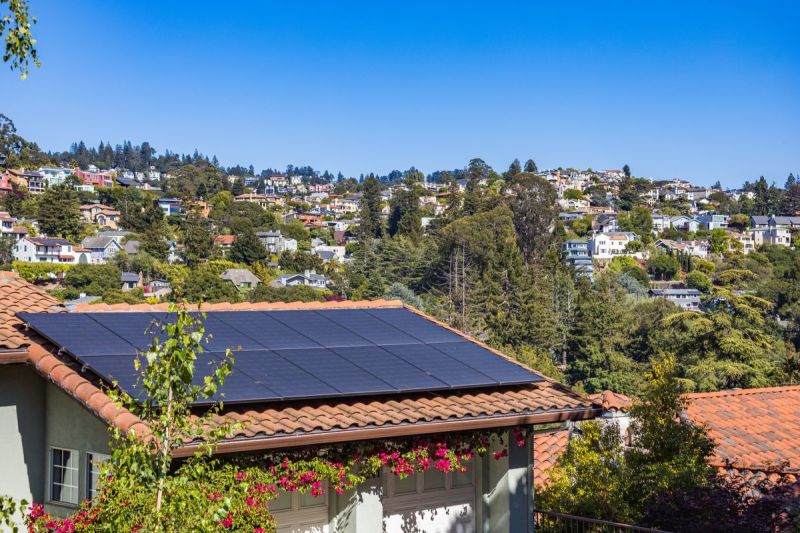
If you are weighing up whether your roof has the years left to justify the investment, it is worth getting a proper opinion first rather than relying on how the tiles look from the pavement. You can arrange a survey through the Roof Repairs Taunton website, and an assessor will tell you honestly whether you are looking at another 20 years or a re-roof within five.
We covered realistic lifespans by material in detail in our guide to how long a roof lasts in Taunton, and the short version matters a lot here: concrete interlocking tiles common on Taunton's 1960s-1980s estates run 40 to 60 years, while Victorian clay plain tiles can hit 60 to 100 years if the battens beneath them are sound. It is the battens and fixings, not the tiles themselves, that most often fail first on older Taunton property, and that is exactly what a solar array's mounting brackets bolt into.
The Ten-Year Rule Most Installers Quote
A reasonable rule of thumb, and one several MCS-certified installers use as a screening question before they even quote, is that a roof covering needs at least 10 to 15 years of remaining life before panels go on top. Anything less and the maths on re-roofing around an existing array stops making sense. On a roof already flagged as "nearing the end of its serviceable life" on a survey, panels should wait until after re-roofing, not before.
Somerset's Older Building Stock Needs a Different Conversation
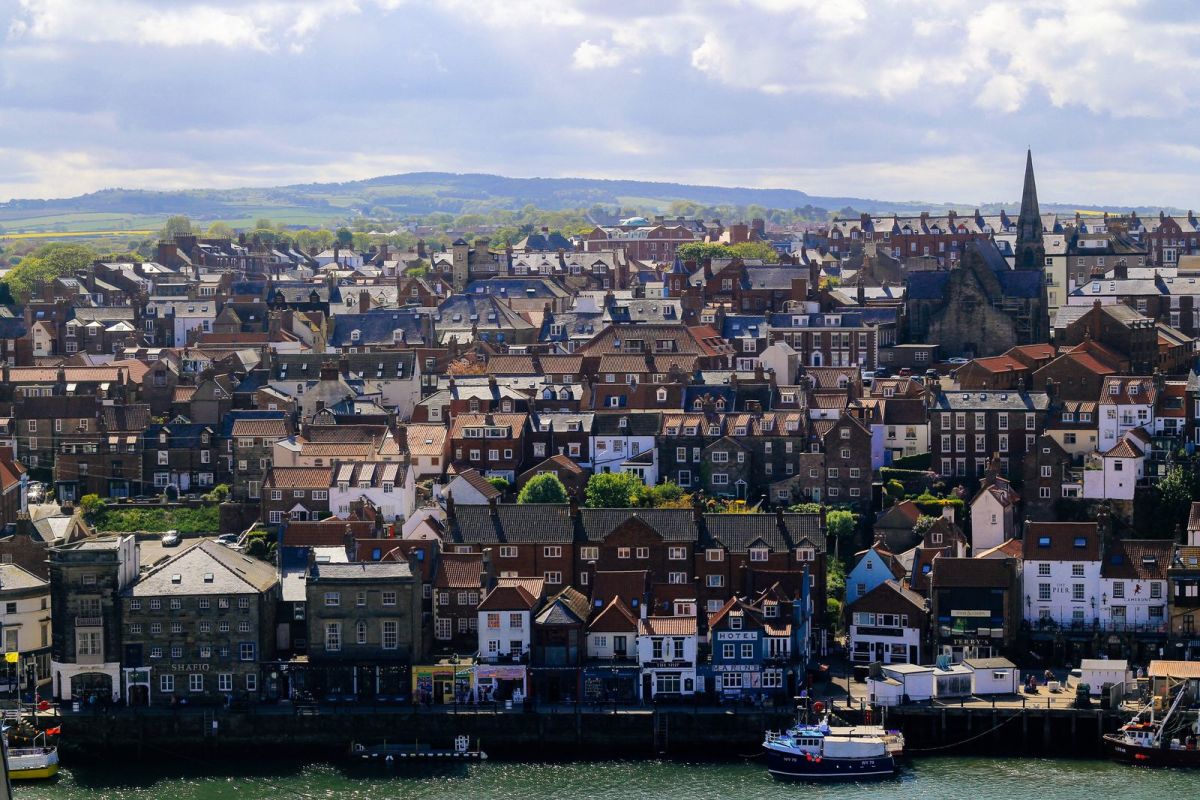
Taunton and the villages around it - Bishops Lydeard, Wiveliscombe, Ilminster - have more pre-1919 property than the national average, and that changes what "checking the roof" actually means.
Thatched roofs are the clearest case. Solar panels cannot be mounted directly onto thatch, full stop - there is no safe fixing method into the reed or straw itself, and the fire risk from cabling and inverter heat near thatch is taken extremely seriously by insurers. Any thatched property wanting solar generation needs a ground-mounted array or a small outbuilding roof instead, and that conversation needs to happen before an installer's van turns up, not after.
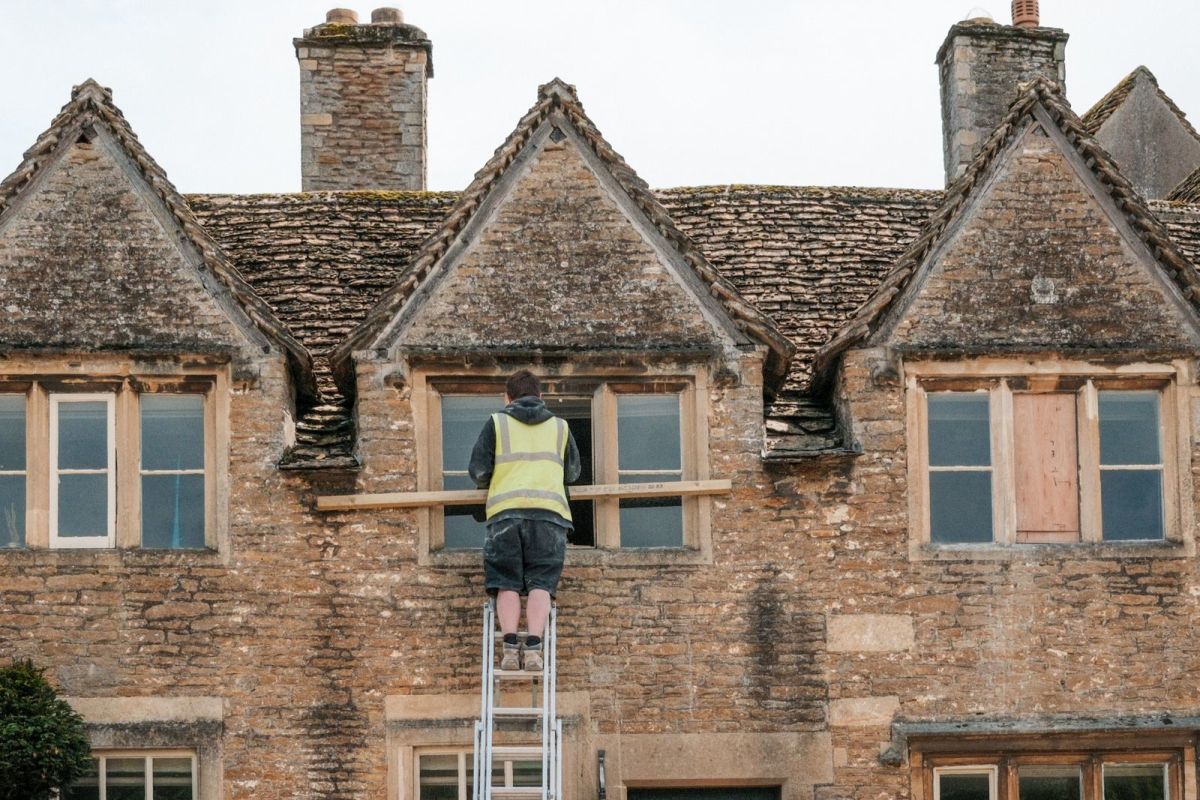
Hamstone and other natural stone roofs, more common around Ilminster and the villages towards the Blackdown Hills, bring a different problem: the stone slates are heavy, often irregular in thickness, and the roof structure was frequently built to carry that weight and nothing extra. Adding a solar array on top of an already heavily-loaded stone roof needs a structural check, not just a tile check.
Listed and Conservation Area Properties
A fair number of Taunton's older properties sit within conservation areas or carry listed status, particularly around the town centre and in villages like Wiveliscombe. Permitted development rights for solar panels are more restrictive on listed buildings and can be removed entirely in some conservation areas, so it is worth checking your specific position against the government's planning permission guidance before ordering equipment. Somerset Council's planning service can confirm whether your property falls under any local restriction, and getting that answer before committing to a supplier saves an awkward conversation later.
Roof Loading: What Solar Panels Add to the Roof Structure
A typical domestic solar panel weighs around 18-20kg, and a modest 10-panel residential array adds roughly 350-400kg spread across the roof once you include the mounting rails. That is not usually a problem for a roof built to current Building Regulations, but a lot of Taunton's housing predates those regulations by decades.
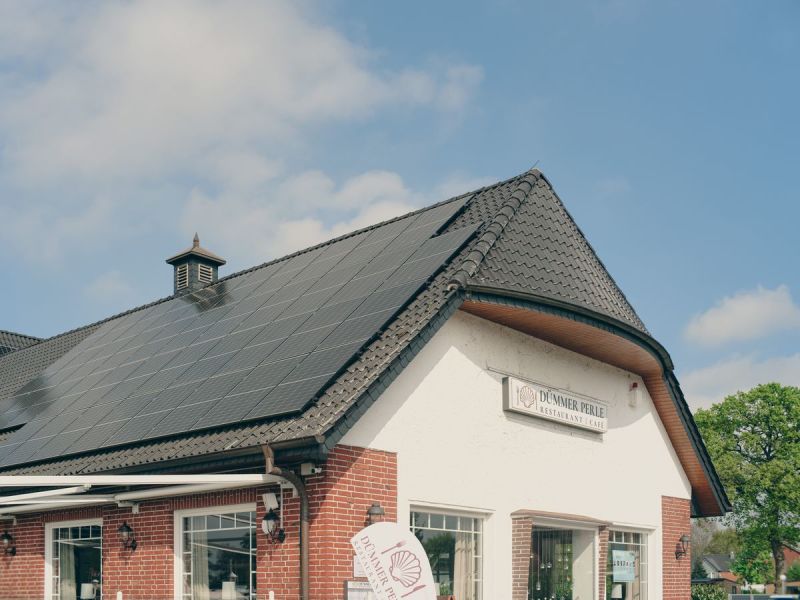
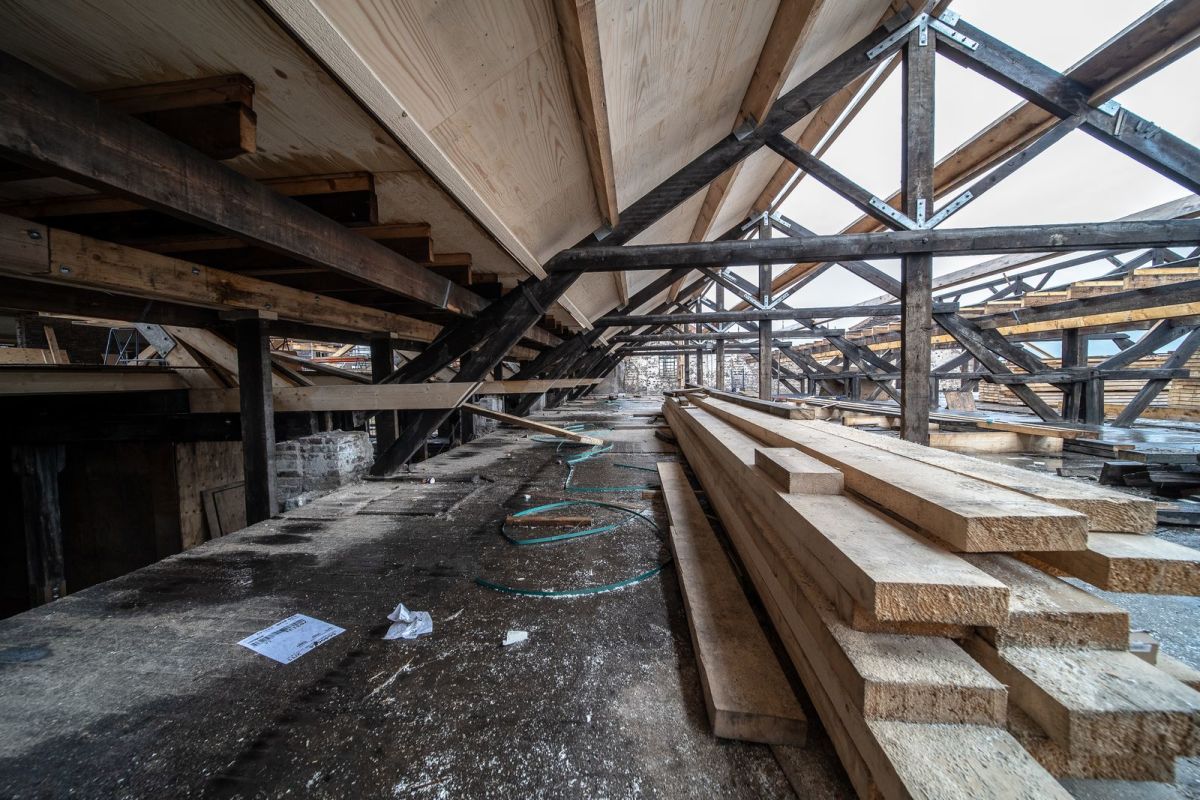
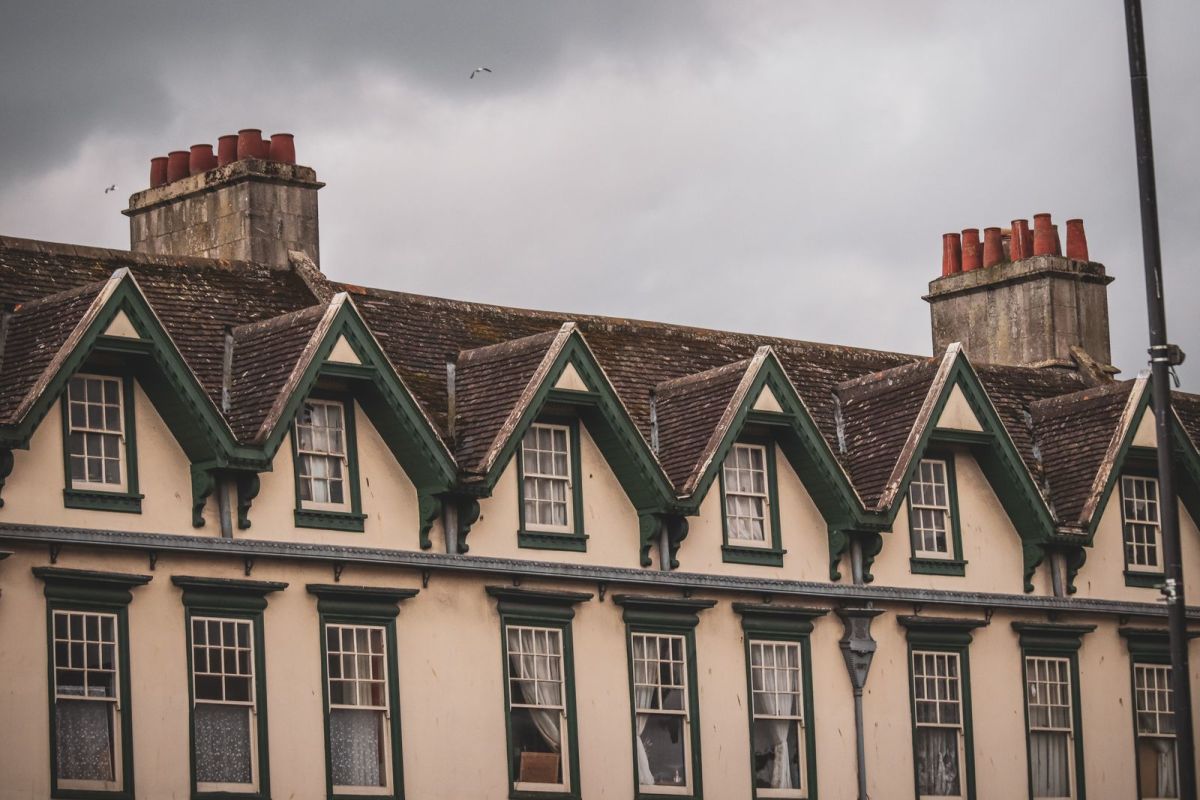
Older roof structures, particularly Victorian cut roofs with smaller original rafters, were not engineered with any spare loading margin in mind. Adding several hundred kilograms of new point-loaded weight across a handful of rafters, rather than distributed evenly, is exactly the kind of change that should be checked by someone qualified to read a structural calculation, not estimated by eye. This matters more on roofs that have already been altered once - a loft conversion, for instance, changes how the roof carries weight, which is one of several reasons we always recommend checking recent structural history before adding more load. Anyone who has had loft conversion roofing work done in Taunton in the last few years should flag that to their solar installer, since the truss configuration used in a conversion is not always designed with a rooftop array in mind.
Snow Loading Still Applies, Even in Somerset
Somerset's snow loading is modest compared to northern England, but it is not zero, and Building Regulations still require roof structures to be assessed against wind and snow load combined with any additional fixed weight. A reputable installer's structural assessment should account for this rather than skip it because "it barely snows here."
Orientation, Pitch and Shading Around Taunton
Roof orientation decides how much a solar array actually generates, and that should be settled before anyone agrees a system size. A south-facing roof pitched between 30 and 40 degrees is close to ideal for the UK. East or west-facing roofs still generate well, typically 15-20% less than due south, while north-facing roofs are rarely worth panelling at all except for a small east or west return.
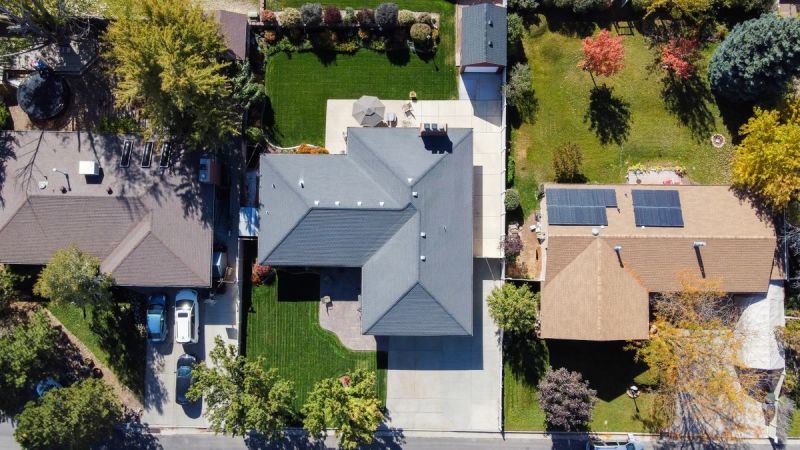
Taunton's older streets, particularly the terraced Victorian rows near the town centre, often run roofs east-west rather than north-south, meaning one side of a semi-detached or terraced house gets the better orientation and the other does not. It is worth having an installer model both roof slopes rather than assuming the "front" roof is automatically the best choice.
Shading is the other local factor. Mature trees are common in Taunton's older residential streets and in the villages, and a solar array that loses even 10-15% of one panel to shade for part of the day can lose a disproportionate amount of total output, because older panel systems wire in strings rather than each panel working independently. Ask any installer quoting for a Taunton property whether they are specifying panel-level optimisers or microinverters, which reduce this shading penalty considerably compared with older string-inverter setups.
Re-Roofing Before Solar: When It Makes Financial Sense
If a survey shows your roof covering has under 10-15 years of life left, re-roofing before fitting solar is very often the cheaper route over the full lifespan of the system, even though it feels like a bigger bill upfront.

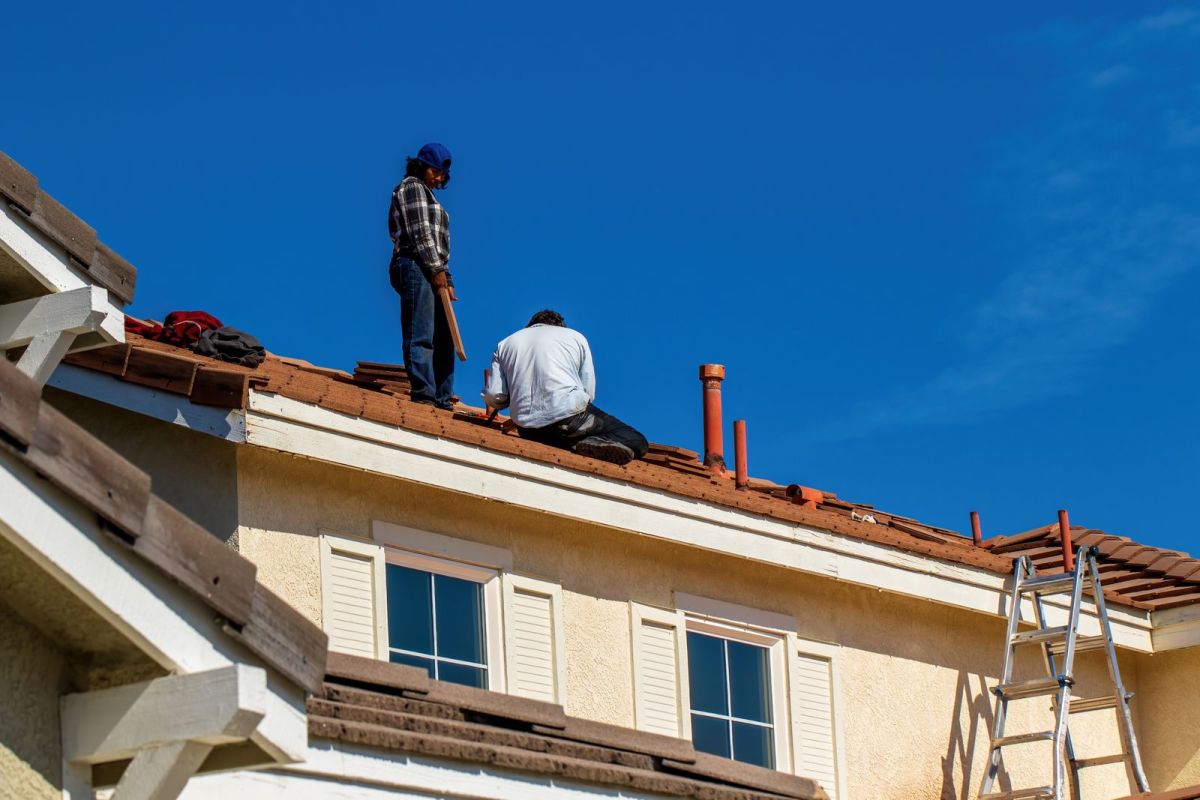
Our 2026 roof repair cost guide for Taunton sets out typical repair costs by fault type, but a full re-roof ahead of solar is a different calculation - you are weighing the one-off cost of stripping, re-battening and re-covering against the cost of removing and refitting an entire array partway through its service life, plus the lost generation while that happens. Most Taunton roofing contractors will quote re-roofing and solar mounting as a combined job when asked, which usually works out cheaper than doing the two separately because scaffolding and access costs are only paid once.
What a Combined Quote Should Include
A properly combined re-roof-and-solar quote should specify the underlay and batten spec, confirm the mounting system is compatible with the new tile or slate profile, and state who is responsible for weatherproofing around the roof hooks - this detail causes more disputes than any other part of a solar installation, since a poorly flashed roof hook is a guaranteed future leak point.
Getting the Right People Involved
A solar quote from a panel installer is not the same thing as a structural or roofing assessment, and conflating the two is where most problems start. The National Federation of Roofing Contractors' guidance on contractor standards is a useful starting point for vetting who does the roofing side of the job, while checking that any solar installer appears on the Microgeneration Certification Scheme's installer directory confirms they meet the technical competency standard needed for most warranty and insurance requirements. Which?'s independent guide to solar panels is also a solid, jargon-free primer if you are still weighing up whether solar makes financial sense for your property before you get as far as the roof-condition conversation at all.
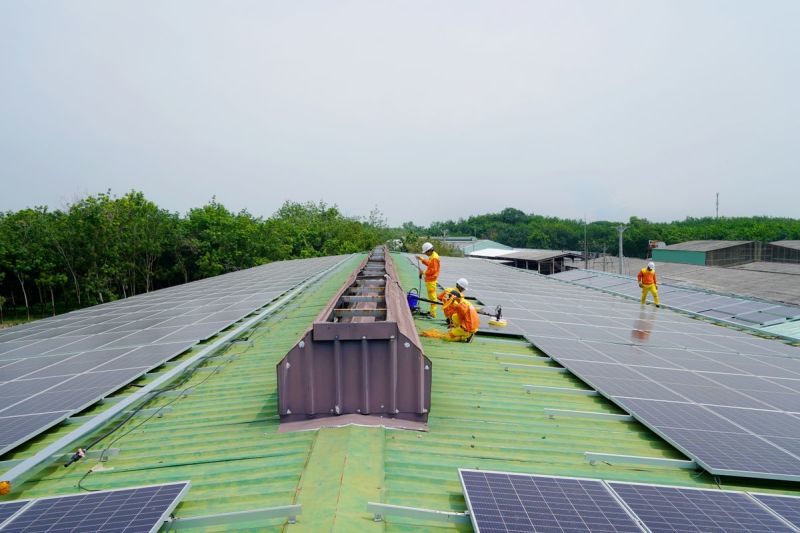
Getting a roofer and a solar installer to inspect the property together, or at minimum to share survey findings before either quotes a fixed price, avoids the single most common outcome we see: panels fitted onto a roof that needed attention six months later, with the panels now in the way.
Frequently Asked Questions
Can solar panels be fitted on a thatched roof in Taunton? No. Panels cannot be safely fixed directly into thatch, and the fire risk from wiring and inverter heat near thatched material is a serious concern for insurers. A ground-mounted array or an outbuilding roof is the usual alternative for thatched properties.
Do I need planning permission for solar panels on my Taunton home? Most houses can fit roof-mounted solar under permitted development rights, but listed buildings and some conservation areas - which cover parts of central Taunton and villages such as Wiveliscombe - have tighter rules or no permitted development rights at all. Check with Somerset Council's planning service before ordering equipment.
How do I know if my roof can take the weight of solar panels? A qualified assessor checks the age and condition of the rafters, whether the roof has been altered before (such as a loft conversion), and runs the loading against current Building Regulations. This is a different check from a solar installer's standard site survey and is worth asking for separately on any pre-1920s Taunton property.
Should I re-roof before or after fitting solar panels? Before, if a survey shows less than 10-15 years of remaining life in the existing covering. Removing and refitting an array partway through its 25-year lifespan costs more overall than combining the re-roof and the solar installation into one job with one set of scaffolding.
Ready to work with Roof Repairs Taunton?
Let's connect! We’re here to help.
Send us a message and we’ll be in touch.
Or give us a call today at 01823 746216
Agency Contact Form
More Marketing Tips, Tricks & Tools