How Long Does a Roof Last in Taunton? Lifespan by Material and the Signs Yours Is Near the End
"How long have I got?" is the question we get asked more than any other in Taunton, usually by someone who has just had a survey come back with the words "roof covering approaching the end of its serviceable life". It is a maddening phrase because it means almost nothing on its own. A Welsh slate roof and a 1970s concrete interlocking tile roof can be the same age and be in completely different positions. The Vale of Taunton Deane also does roofs no favours: it sits between the Quantocks and the Blackdown Hills, catches around 800 to 900mm of rain a year, and has a mild damp climate that keeps moss growing for ten months of the year. Here are realistic lifespans by material for this part of Somerset, and how to work out where yours sits.
Lifespan by Roof Covering
These are the ranges we see in practice on Taunton properties, not manufacturer marketing figures.
- Natural Welsh slate: 80 to 120 years for the slate itself, though the nails and battens rarely make it past 80
- Spanish or imported slate: 40 to 70 years, quality varies enormously by batch
- Clay plain tiles: 60 to 100 years
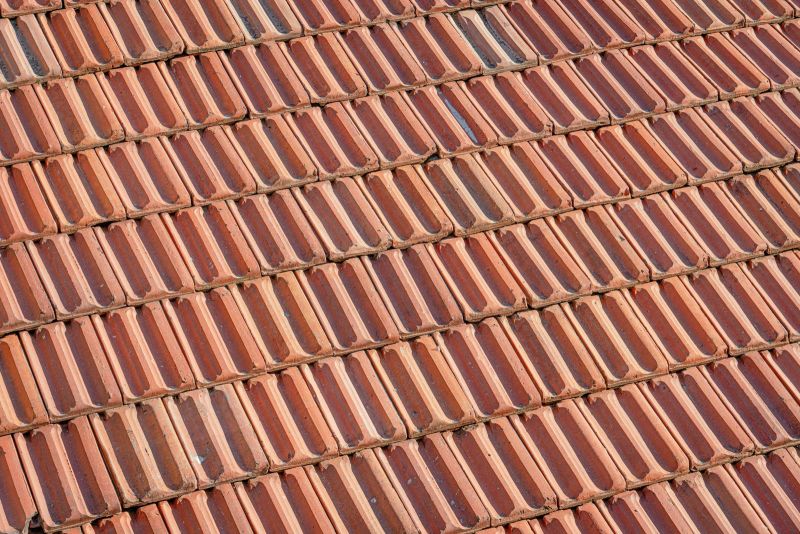
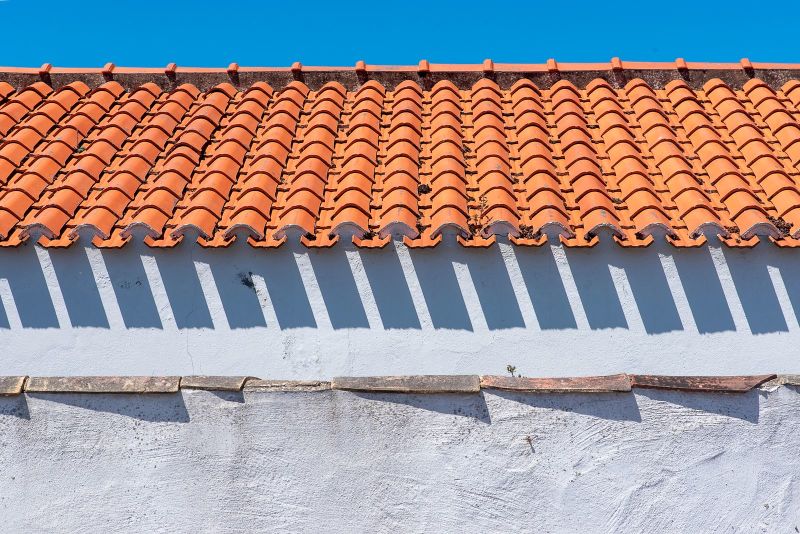
- Clay pantiles and double Roman tiles: 50 to 80 years
- Concrete interlocking tiles: 40 to 60 years
- Fibre cement slate: 30 to 45 years
- Three-layer built-up felt flat roof: 15 to 25 years
- EPDM rubber flat roof: 25 to 40 years
- GRP fibreglass flat roof: 20 to 30 years
- Lead flashings and valleys: 60 to 100 years if sized and fixed correctly
The number that matters most is usually not on that list. It is the battens and the fixings. On a Victorian Taunton house the slate is often fine and the roof still needs stripping because the nails have corroded and the battens have gone soft. That is the single most common reason we re-roof period property in this area.
If you want an honest assessment rather than a guess from the pavement, we survey roofs across Taunton and the surrounding villages and you can arrange one through the Roof Repairs Taunton website.
Why Somerset Shortens Some of These
The climate here punishes specific failure modes.
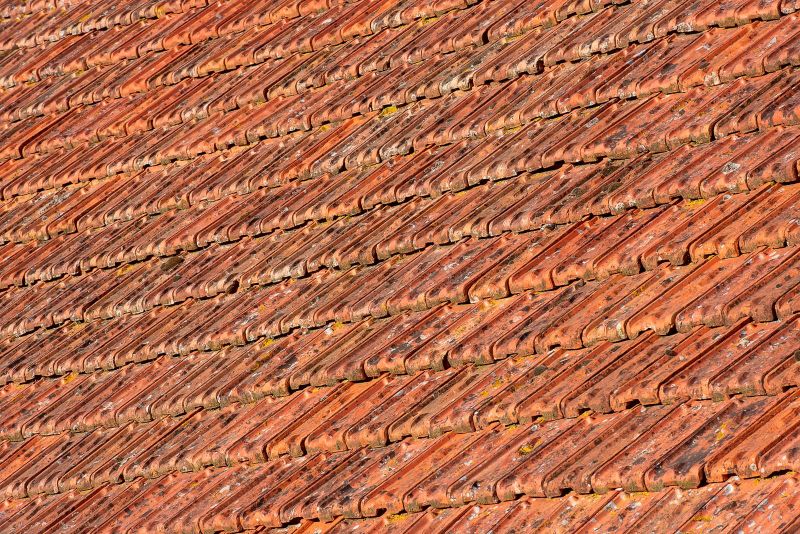
Moss is the obvious one. Taunton's mild, wet winters and long humid autumns give moss an unusually long growing season, and Somerset roofs carry noticeably heavier growth than roofs in, say, Essex. Moss itself does not destroy a tile. What it does is hold water against the surface, block the tail gaps so water backs up under the course above, and dam the gutters. On a north-facing slope under a mature tree, that combination can knock a decade off a concrete tile roof.
Freeze-thaw is the second. It matters less here than in the north of England because hard frosts are relatively few, but concrete tiles and older clay both absorb water, and repeated wetting followed by a cold snap causes surface spalling. You see it as the pink or buff aggregate showing through the darker surface on old concrete tiles.
Wind-driven rain is the third and it is the one people underestimate. The Vale funnels weather in from the Bristol Channel, and prevailing south-westerlies push rain horizontally against the exposed slopes. Roofs on the western edges of Taunton, and out towards Wellington and Wiveliscombe, weather visibly faster on that side than on the sheltered side of the same house.
The Bridgwater Tile Question
A lot of roofs around Taunton carry Bridgwater clay tiles, and it is worth knowing what you have.
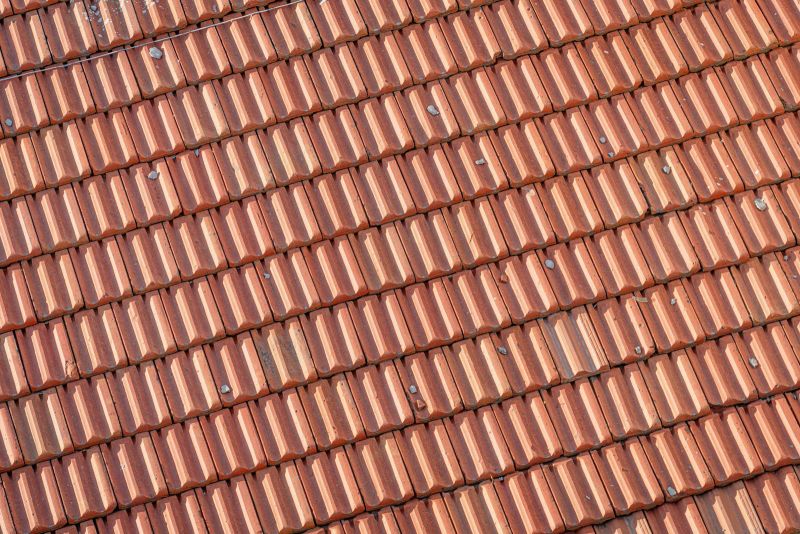
Bridgwater was the centre of the Somerset clay tile and brick industry for well over a century, and the double Roman profile made there sits on thousands of roofs across the county. Well-fired examples are excellent and routinely pass 80 years. Poorly fired batches, particularly from the later years of production, laminate and shed their surfaces much sooner.
The practical problem in 2026 is replacement. Original Bridgwater tiles are no longer produced in the same way, so matching a partial repair means either reclaimed tiles or a modern equivalent that never quite matches. Reclaimed Somerset doubles run £1.60 to £3.20 each depending on condition and availability, against roughly £1.10 to £1.80 for a modern equivalent.
That changes the economics of repair versus replacement on a period Taunton roof, which is why the answer here is different to the answer for a 1980s estate house in Bishop's Lydeard.
Reading Your Own Roof From the Ground
You can learn a lot with a pair of binoculars and ten minutes.
What to look for
Sagging along the ridge line or between rafters suggests structural movement or failed battens, and it is the most serious thing on this list.
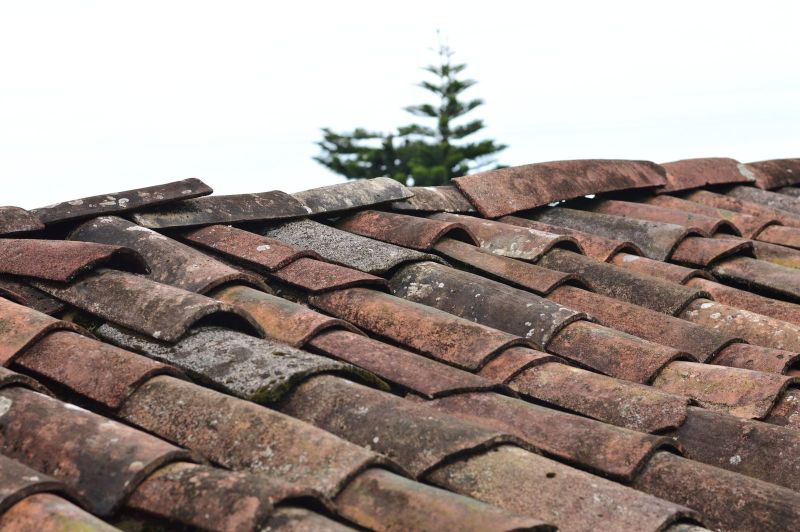
Tiles or slates that are visibly out of line, or a scatter of them in the gutter, points to nail failure rather than a one-off breakage. One slipped slate is an accident. Six is a pattern.
Flaking, blistering or a chalky bloom on concrete tiles means the surface coating has gone and water absorption has increased. The roof will not fail tomorrow but it is on the back nine.
Daylight visible through the roof from inside the loft, other than at deliberate vents, is a straightforward answer.
Mortar crumbling from the ridge, hip or verge is normal wear and usually a repair rather than a re-roof. It is also the most common thing storm damage exploits.
What you cannot see from the ground
The condition of the battens, the state of the nails, and whether there is any underlay at all. Pre-1940 roofs in Taunton frequently have no felt whatsoever, which is not automatically a problem but does mean any slipped slate lets water straight in.
Repair or Replace: How to Decide
The rough rule we use is this. If the repairs needed exceed about 30% of the cost of a full re-roof, and the covering is past two-thirds of its expected life, replacing is usually better value.
Costs for the Taunton area in 2026, as a guide:
- Re-roof a two-bed terrace in concrete tile: £6,500 to £10,000
- Re-roof a three-bed semi in concrete tile: £8,500 to £14,000
- Re-slate a period property in natural slate: £14,000 to £26,000
- Re-tile in reclaimed clay to match a conservation area property: £16,000 to £30,000
- Localised repairs, typical fault: £180 to £900
Our 2026 price guide to Taunton roof repairs by fault type breaks the repair side down further.
One thing worth weighing: if the roof is coming off anyway, that is the cheapest moment you will ever have to upgrade insulation, fit a breathable membrane, or add dry ridge and verge systems. Doing those separately later costs far more because the scaffold and access are the expensive part.
Making a Roof Last Longer
Very little of this is complicated.
Clear the gutters twice a year, autumn and late winter. Blocked gutters are the leading cause of premature fascia, soffit and wall-head decay in this part of Somerset, and they cost almost nothing to prevent.
Deal with moss before it becomes a mat, and use scraping and biocide rather than a pressure washer. Pressure washing a concrete tile roof strips the surface coating and takes years off it. We have seen roofs aged a decade in an afternoon by someone with a jet wash and good intentions.
Cut back overhanging branches. Shade, leaf fall and constant moisture are what turn a north slope into the problem slope.
Have the roof inspected every three to five years and after any significant storm. The National Federation of Roofing Contractors publishes guidance on contractor standards and what a proper inspection covers, and a surveyor's report from RICS member firms will assess the roof as part of a building survey if you are buying.
Roofs rarely fail suddenly. They fail slowly and then get discovered suddenly, which is not the same thing.
Frequently Asked Questions
How long does a concrete tile roof last in Somerset?
Typically 40 to 60 years. Somerset's damp climate and heavy moss growth push most local roofs towards the lower end of that unless the roof has been kept clear and the north-facing slope is not permanently shaded. Surface spalling and colour loss are the usual signs of an ageing concrete tile.
My survey says the roof is at the end of its serviceable life. Do I need a new roof immediately?
Not necessarily. That phrase is a surveyor flagging age and general condition rather than diagnosing a failure. Get a roofer to inspect it properly, ideally with close-range photographs. Plenty of roofs described that way have another five to ten years in them with some targeted repair work.
Is it worth re-roofing before selling a house in Taunton?
Usually not in full. Buyers rarely pay the full cost back, and a survey flagging an old but sound roof is negotiable. Fixing specific defects, clearing moss and repointing the ridge costs a fraction of a re-roof and removes most of the obvious objections at viewing.
Does a new roof come with a guarantee?
Reputable contractors provide a workmanship guarantee, commonly 10 to 25 years, separate from the manufacturer's warranty on the tiles or membrane. Get both in writing, check what the workmanship guarantee actually covers, and confirm whether it is insurance-backed, because an uninsured guarantee is only as good as the company behind it.
Ready to work with Roof Repairs Taunton?
Let's connect! We’re here to help.
Send us a message and we’ll be in touch.
Or give us a call today at 01823 746216
Agency Contact Form
More Marketing Tips, Tricks & Tools