Roof Ventilation and Loft Condensation in Taunton: Causes, Costs and Fixes
A surprising number of "roof leaks" in Taunton are not leaks at all. Water drips onto the loft insulation, a stain appears on the bedroom ceiling, a roofer is called, and the tiles turn out to be perfectly sound. What is actually happening is condensation: warm moist air from the house rising into a cold loft, hitting the underside of the roofing felt, and running back down. A typical household puts 10 to 15 litres of water vapour into the air every day from cooking, washing and breathing, and Somerset's high ambient humidity means very little of it clears naturally. Retrofitting proper ventilation costs £450 to £1,400 and solves it permanently. Recognising it first saves you paying for roof repairs you do not need.
How to Tell Condensation From a Leak
Four tests separate the two, and they take no equipment.

Timing. A leak appears during or shortly after rain and dries out between events. Condensation appears in cold weather regardless of rain, worsens overnight, and is worst in the coldest months from November to February.
Location. A leak concentrates at a specific point that traces back to a fault - a valley, a flashing, a slipped tile. Condensation is spread evenly across the loft, and the underside of the felt looks damp or beaded over a wide area rather than dripping from one spot.
The felt itself. Get into the loft on a cold morning and look at the underside of the underlay. Beads of water across the whole surface, or frost in a hard spell, is condensation. A wet patch with a dry surround is a leak.
Smell and staining. Condensation over years produces a musty smell, black mould on the timbers near the eaves, and insulation that is damp and matted rather than soaked in one place.
If it turns out to be condensation, the fix is airflow rather than tiles. Roof Repairs Taunton will diagnose which it is on an inspection rather than defaulting to a repair quote.
Why Adding Loft Insulation Can Cause It
This catches out a lot of people who have done exactly the right thing energy-wise.
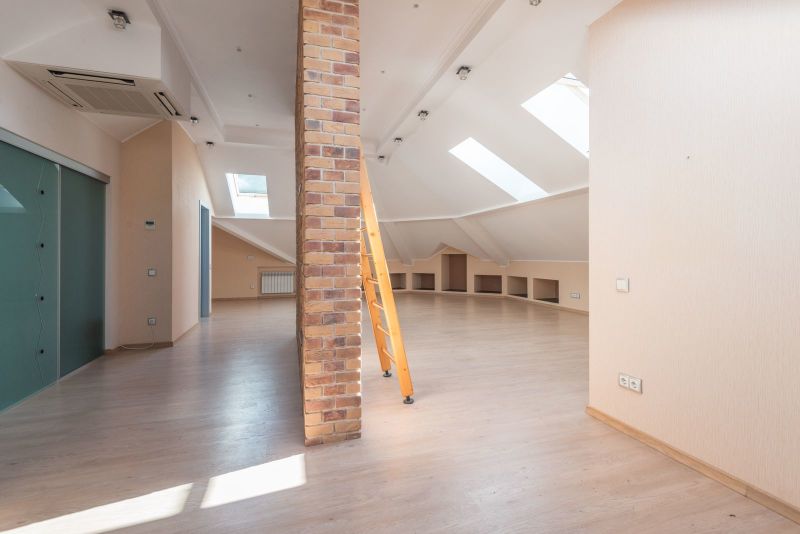
A cold loft works by being ventilated. Air moves in at the eaves, across the loft and out at the ridge, carrying moisture with it. When insulation was 100mm deep and laid loosely, air moved fairly freely at the eaves even where there were no purpose-made vents.
Top that up to the current recommended 270 to 300mm and the insulation is now thick enough to block the gap at the eaves entirely. Airflow stops, the loft becomes a sealed cold box, and the moisture that used to escape now condenses on the felt.
The insulation also makes the loft colder, because it is doing its job and keeping heat in the house below. A colder surface condenses more water out of the same air. So the upgrade both increases condensation and removes the route by which it used to clear.
The answer is not less insulation. It is eaves ventilation, and it costs a fraction of what the insulation saved. Fitting over-fascia or soffit vents runs £280 to £650 per elevation, and eaves ventilation trays that hold the insulation back from the eaves gap cost £4 to £9 each fitted.
Bitumen Felt Makes It Worse
Roofs built before roughly 2000 typically have bitumen type 1F underlay, which is completely impermeable. Modern breathable membranes let water vapour pass through to the outside, which massively reduces condensation risk. If your Taunton roof has old bitumen felt, ventilation is not optional - it is the only route out for the moisture.
What the Regulations Actually Require
The requirement for a cold pitched roof is a continuous ventilation opening at the eaves equivalent to a 10mm continuous gap along both sides. Where the roof pitch is below 15 degrees, or in a room-in-roof construction, that increases to 25mm. High-level ventilation at or near the ridge equivalent to a 5mm continuous gap is also required in many configurations.
The rules sit in Approved Document F on ventilation and apply to new work and to alterations. A great deal of Taunton's pre-1990s housing was built before these figures were enforced, and a large share of it has no purpose-made roof ventilation at all.
Room-in-roof and loft conversions are the higher-risk case. Where insulation sits between and under the rafters, you need a 50mm clear air gap above the insulation running from eaves to ridge, and it has to be genuinely continuous. Blocked at any point by insulation pushed too far up, the whole path fails.
What Each Ventilation Option Costs to Retrofit
Six options, roughly in order of how often they are the right answer.
Over-fascia vents fit under the bottom course of tiles at the eaves and are the least disruptive retrofit. £280 to £550 per elevation, no scaffolding needed in many cases.
Soffit vents, either circular discs or a continuous strip, cut into the existing soffit board. £250 to £600 per elevation, and straightforward where the soffit is uPVC.
Eaves ventilation trays hold the insulation back and maintain the air path. £4 to £9 each, fitted between every rafter, so £150 to £400 for a typical house. Almost always needed alongside eaves vents.
Ventilated ridge, replacing mortar-bedded ridge with a dry ridge system that includes a ventilation path. £45 to £70 per linear metre, so £450 to £900 on a typical 10 metre ridge, and it solves the mortar problem at the same time.
Tile vents, individual vented tiles inserted into a slope. £70 to £160 each fitted, useful where the ridge cannot be ventilated or for spot ventilation on a hip.
Mechanical loft ventilators, which are rarely necessary and usually a sign someone has skipped the passive options.
A typical whole-house retrofit combining eaves vents both sides, trays, and a ventilated ridge lands £900 to £1,800. On a property with a genuine condensation problem, that is a permanent fix rather than a recurring one.
Somerset's Climate and Why This Bites Harder Here
Taunton averages around 750 mm of rain a year across 140 to 160 wet days, and relative humidity stays above 85% through much of the autumn and winter. The Somerset Levels to the east keep ambient moisture high across the whole area.
That matters because ventilation works by exchanging inside air for outside air. Where the outside air is already at 90% relative humidity, as it frequently is here in December, the drying capacity of that exchange is limited. Ventilation still works, because the cold outside air warms slightly as it enters and its relative humidity drops, but the margin is thinner than in a drier climate.
The practical implication is that Taunton roofs need ventilation provision at the upper end of the requirement rather than the bare minimum. Where a specification says a 10mm equivalent gap, providing 12 or 15mm costs almost nothing extra and gives real headroom.
Mild winters are the second factor. Persistent cool damp conditions from October to March, rather than a short hard freeze, mean condensation forms repeatedly over months. Timber that stays above 20% moisture content for extended periods is at risk of rot and of attracting wood-boring insects, which is why long-running loft condensation eventually becomes a structural problem rather than just a damp one.
Reducing Moisture at Source
Ventilation removes moisture from the loft. Reducing what goes up there in the first place is the other half, and it is cheaper.
Loft hatches are the biggest single route. An uninsulated, unsealed hatch is a chimney for warm moist air. Fitting a draught-sealed insulated hatch costs £80 to £200 and makes a measurable difference.
Bathroom and kitchen extraction is the second. A bathroom needs 15 litres per second of extraction and a kitchen 30 over the hob. Critically, the duct must discharge outside, not into the loft. Ducting an extractor into the roof void is one of the most common faults found in Taunton lofts, and it delivers litres of water vapour directly to the coldest surface in the building. Rerouting a duct through the roof or wall costs £180 to £450.
Downlighters in an upstairs ceiling are the third. Each one is a hole letting warm air into the loft. Fire-rated, gasketed downlights or loft-side covers cost £8 to £25 each and close the route.
Finally, do not use unflued gas or paraffin heaters. They release roughly a litre of water vapour per litre of fuel burned directly into the room.
When to Call Someone, and What to Ask
Call if you see black mould on loft timbers, damp or matted insulation, water beading on the underside of the felt, or a recurring ceiling stain that does not correlate with rain.
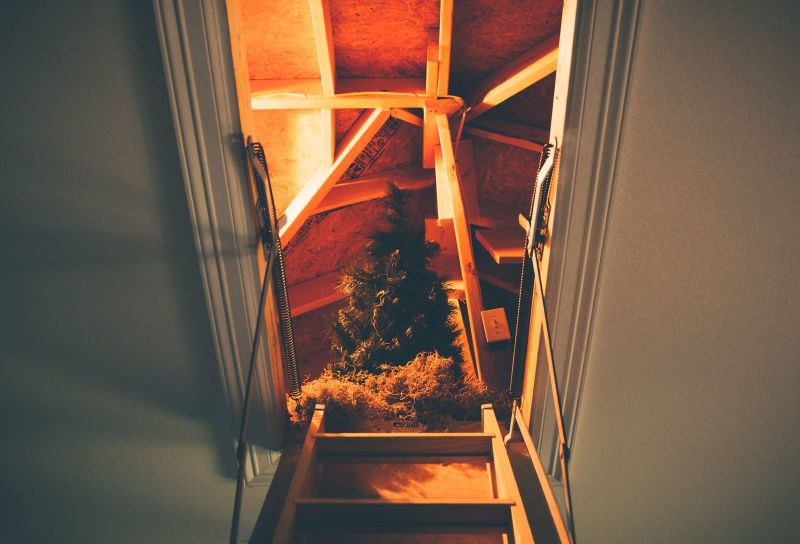
Ask the contractor to assess three things: the eaves gap and whether insulation is blocking it, whether the underlay is bitumen or breathable, and where the bathroom and kitchen ducts terminate. A roofer who quotes for tile work without going into the loft has not diagnosed the problem.
On credentials, check public liability of at least £2 million and membership of a body such as the National Federation of Roofing Contractors. We cover the insulation side of the same trade-off in our guide to loft and roof insulation costs in Taunton, which sets out what to budget when doing both together.
Frequently Asked Questions
How do I know if my loft has condensation or a leak?
A leak appears during or after rain, concentrates at one point, and dries between events. Condensation appears in cold weather regardless of rain, worsens overnight, and shows as beading or frost spread evenly across the underside of the felt. Musty smell, black mould on timbers near the eaves and matted insulation all point to condensation.
Can adding loft insulation cause condensation?
Yes, and it is common. Topping insulation up to 270 to 300mm can block the airflow gap at the eaves entirely, and the extra insulation also makes the loft colder. Both increase condensation. The answer is eaves ventilation rather than less insulation: over-fascia or soffit vents cost £250 to £650 per elevation, plus £4 to £9 per eaves tray.
How much does it cost to fit roof ventilation in Taunton?
Over-fascia vents run £280 to £550 per elevation and soffit vents £250 to £600. Eaves ventilation trays are £4 to £9 each fitted, typically £150 to £400 for a house. A ventilated dry ridge is £45 to £70 per linear metre. A full retrofit combining all three usually lands £900 to £1,800.
Where should a bathroom extractor fan duct to?
Outside, through the roof or an external wall, never into the loft space. Ducting an extractor into the roof void delivers litres of water vapour straight onto the coldest surface in the building and is one of the most common causes of loft condensation. Rerouting a duct properly costs £180 to £450.
Ready to work with Roof Repairs Taunton?
Let's connect! We’re here to help.
Send us a message and we’ll be in touch.
Or give us a call today at 01823 746216
Agency Contact Form
More Marketing Tips, Tricks & Tools