Flat Roof Insulation in Taunton: Warm Deck Upgrades, U-Values and 2026 Costs
Here is something most Taunton homeowners find out halfway through a quote: replacing a flat roof is not just a re-covering job any more. If more than 50% of a flat roof's surface is being renewed, Building Regulations treat it as a thermal element upgrade, which means it has to be insulated to current standards - not to whatever it had before. That single rule changes a £3,000 job into a £4,500 one, and it catches people out constantly. It is also, genuinely, worth doing. An uninsulated 1970s flat roof over a Taunton extension or garage typically runs a U-value somewhere around 1.5 - 2.0 W/m²K. Current standards require 0.18 or better. That is a roughly eight-fold improvement in heat loss through that surface, and on a flat-roofed rear extension it can account for 20 - 25% of the whole room's heat loss. Here is how the options compare and what each costs in Taunton.
Warm Deck, Cold Deck, Inverted: What the Three Actually Mean
The names describe where the insulation sits relative to the structural deck, and the difference determines whether the roof works or rots.
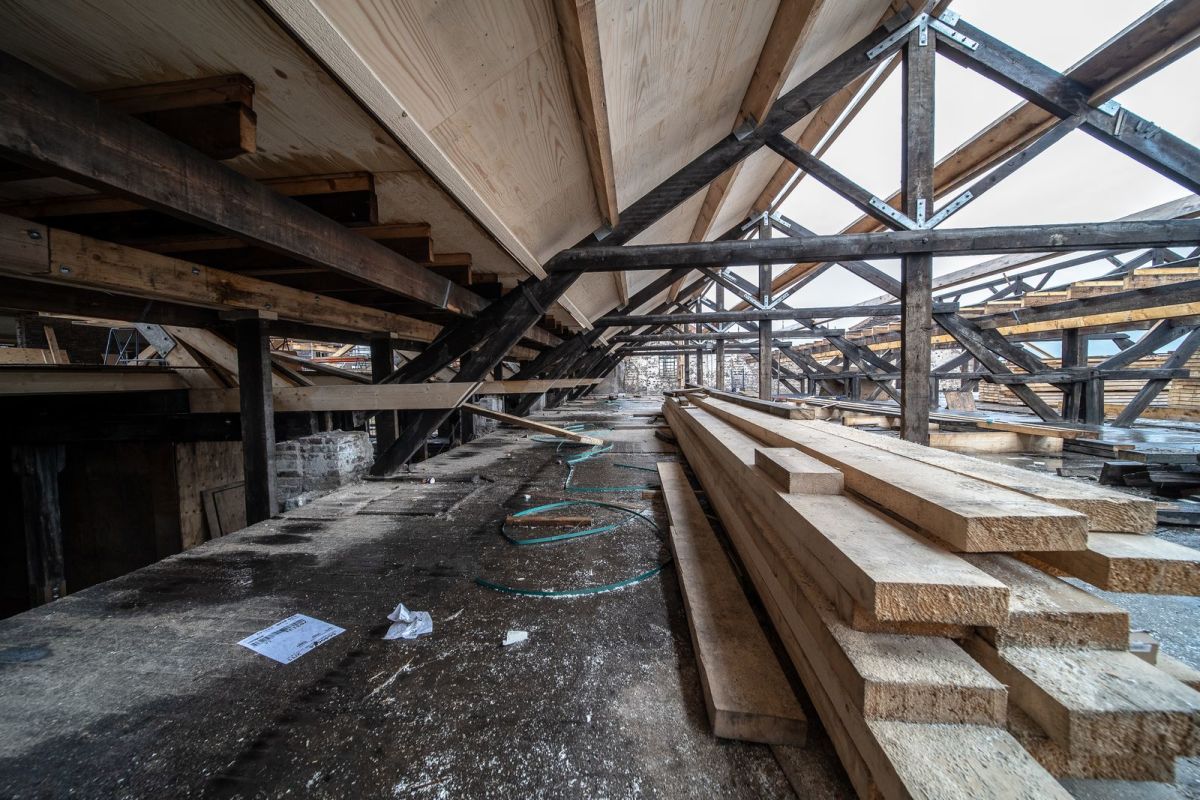
A warm deck roof puts the insulation above the structural deck and below the waterproof covering. The deck and the joists sit on the warm side of the insulation, staying close to internal room temperature, so warm moist air from inside never meets a cold surface and never condenses. This is the standard specification for new and replacement flat roofs, and it is what a competent Taunton roofer will quote by default.
A cold deck roof puts the insulation between the joists, below the deck. The deck itself is then cold, and any warm moist air that gets past the ceiling will condense on its underside. Cold decks require a continuous unbroken vapour control layer below the insulation and a ventilated air gap of at least 50mm above it, with cross-ventilation at both ends. Getting all of that right is difficult, and getting any of it wrong produces interstitial condensation, rotten joists and a roof that fails from the inside. Cold deck construction is still legal, but it is no longer recommended for new work and most roofers will steer you away from it.
An inverted or "upside-down" roof puts the insulation above the waterproofing, ballasted with gravel or paving. It protects the membrane from UV and thermal shock, which extends its life considerably, but it requires the structure to carry the ballast weight and is mostly used on terraces and balconies rather than domestic extensions. If you are trying to work out which applies to your property, Roof Repairs Taunton can tell you from the existing build-up and joist depth on a site visit.
Why Warm Deck Wins in Somerset
Somerset's climate makes the condensation argument more than theoretical. Taunton sits in a low-lying river valley with high year-round humidity, and the Vale of Taunton Deane routinely holds relative humidity above 85% through the autumn and winter months. The higher the ambient humidity, the smaller the temperature difference needed to hit dew point on a cold surface. A cold deck flat roof that might just about survive in a dry inland location will develop condensation problems far more readily here.
The U-Value You Have to Hit, and What It Takes
Approved Document L sets the thermal standards, and for a flat roof being renovated the target is a U-value of 0.18 W/m²K. New-build flat roofs are typically required to reach 0.15. The full requirements are set out in Approved Document L on conservation of fuel and power.
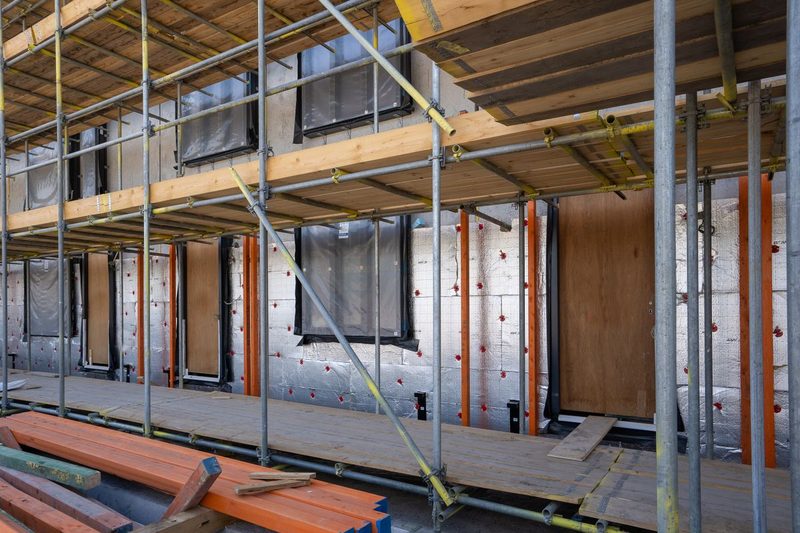
Hitting 0.18 with a warm deck build-up means roughly:
- PIR board (the common choice, foil-faced polyisocyanurate): 120 - 140mm
- Phenolic board: 110 - 130mm
- EPS or expanded polystyrene: 180 - 220mm
- Mineral wool (rarely used above deck): 200mm+
PIR is what almost every Taunton flat roof gets, because it delivers the required performance in the least depth and the depth is what determines whether the job is straightforward or complicated.
The Height Problem Nobody Warns You About
Adding 120 - 140mm of insulation plus the new covering raises the finished roof level by roughly 130 - 160mm. That is the single most common complication on a Taunton flat roof upgrade, and it affects four things.
Door and window head heights above the roof, particularly on a rear extension where a first-floor window sits close above. Upstands at the abutment wall, which need to be at least 150mm above the finished surface and may now need to be raised and re-flashed. Rainwater outlets and the fall of the roof, which have to be reconfigured to the new level. And the roof edge trim and fascia detail, which needs to be deeper.
Tapered insulation systems solve the fall problem elegantly by building the gradient into the insulation itself rather than into the deck. They cost more - typically £15 - £30 per square metre extra - but they let you achieve a proper 1:80 minimum fall without touching the structural joists, which is often cheaper than the alternative.
What It Costs in Taunton in 2026
Costs are usually quoted per square metre and vary mostly by covering type and access. For a warm deck build-up including insulation, vapour control layer, deck repairs and new waterproofing:
- EPDM rubber single-ply warm deck: £120 - £170 per m²
- GRP fibreglass warm deck: £130 - £190 per m²
- High-performance torch-on felt, three-layer: £110 - £155 per m²
- Single-ply TPO or PVC: £130 - £180 per m²
On a typical Taunton garage roof of around 18m², that is £2,000 - £3,400. A rear extension roof of 25 - 30m² comes to £3,000 - £5,700. Add £300 - £800 for scaffold or edge protection where the roof is above ground floor level, and £200 - £600 if the existing deck boards need replacing, which on anything pre-1990 is common.
The insulation itself is a smaller share of that than people expect. PIR board at 120mm runs roughly £22 - £32 per square metre in materials. On a 25m² roof that is £550 - £800 of the total. The rest is labour, the covering, the deck, the trims and the disposal.
Is the Upgrade Worth It Financially?
On its own, as a standalone job, the payback is slow - typically 12 - 20 years on energy savings alone for a garage roof. But almost nobody insulates a flat roof as a standalone job. You do it because the roof is being replaced anyway, at which point the marginal cost of the insulation is £700 - £1,200 and the payback on that marginal spend is more like 6 - 10 years, plus a room that is genuinely usable in January rather than theoretically usable.
Somerset Conditions That Affect the Specification
Three local factors are worth building into the decision.
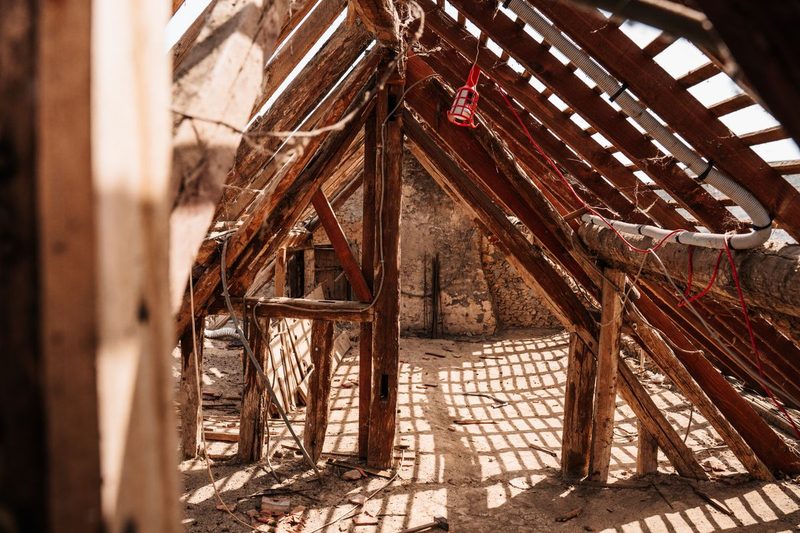
Rainfall first. Taunton gets around 800 - 850mm a year across roughly 150 wet days, and the Somerset autumn and winter are long and persistently wet rather than intensely stormy. That profile punishes standing water more than it punishes wind uplift. Getting the falls right matters more here than in a drier region, and a flat roof that ponds will fail early regardless of how well it is insulated. Minimum design fall is 1:80, which in practice means designing to 1:40 to allow for deflection and construction tolerance.
Flooding second. Parts of the Taunton area sit in Environment Agency flood zones, particularly around the River Tone and out towards the Levels. That does not affect roof insulation directly, but it does affect whether a single-storey flat-roofed extension is a sensible place to put anything valuable, and it affects the ventilation and drying behaviour of the structure below. The Environment Agency publishes flood risk data by postcode.
Third, the mild winters. Somerset averages a January mean around 5 - 7°C with roughly 30 - 45 air frosts a year, which is gentler than the national picture. That is good news for the covering - fewer freeze-thaw cycles on the membrane - but it means the payback calculation on insulation is slightly slower here than in, say, the Pennines, because there are fewer severe heating days to save on.
Building Control and Who Signs It Off
A flat roof replacement involving more than 50% of the area is notifiable work. That means either a Building Regulations application to Somerset Council or the use of an approved inspector, typically £250 - £500 for a domestic flat roof. Some contractors are registered under a competent person scheme that allows self-certification for certain roofing work - ask, because it saves both the fee and the delay.
Keep the paperwork. A completion certificate matters when you sell, and a buyer's solicitor asking for evidence of Building Regulations approval on an obviously recent flat roof is a routine part of conveyancing. If you are weighing up whether to replace or repair in the first place, our comparison of flat roof replacement costs in Taunton across EPDM, GRP and felt goes through the covering options in more detail.
Questions to Ask Before You Accept a Quote
Four things separate a quote that will still be watertight in fifteen years from one that will not.

What U-value is the build-up designed to achieve, and what insulation thickness delivers it? A quote that does not state a figure has probably not calculated one. Where is the vapour control layer, and is it continuous? On a warm deck it sits directly on the deck, below the insulation, and any penetration through it - a pipe, a fixing, a rooflight upstand - needs sealing properly.
What is the designed fall and how is it achieved? Tapered insulation, firrings on the joists, or an existing fall being reused. And what happens at the abutment - how high is the upstand, and is the existing flashing being reused or renewed? Reusing old lead flashing against a newly raised roof level is a false economy that shows up as a leak within two or three winters.
You can check a contractor's registration through the National Federation of Roofing Contractors. Somerset has a reasonable supply of flat roofing contractors, though the genuinely experienced single-ply installers are a smaller group and book out 3 - 6 weeks ahead through the autumn.
Frequently Asked Questions
Do I have to insulate my flat roof when I replace it in Taunton? If more than 50% of the roof surface is being renewed, yes. Building Regulations treat that as a thermal element upgrade, requiring a U-value of 0.18 W/m²K or better - which typically means 120 - 140mm of PIR insulation in a warm deck build-up. It is notifiable work needing either a Building Regulations application through Somerset Council or an approved inspector, usually £250 - £500.

What is the difference between a warm deck and a cold deck flat roof? A warm deck puts the insulation above the structural deck and below the waterproofing, keeping the deck and joists warm so condensation cannot form on them. A cold deck puts insulation between the joists, leaving the deck cold, and requires a perfect vapour barrier plus a ventilated 50mm air gap to avoid interstitial condensation and rot. Warm deck is the standard specification and the sensible choice, particularly in a humid river valley like Taunton's.
How much does a warm deck flat roof cost in Taunton? Between £110 and £190 per square metre depending on covering. EPDM rubber is £120 - £170, GRP fibreglass £130 - £190, three-layer torch-on felt £110 - £155, and single-ply TPO or PVC £130 - £180. A typical 18m² garage roof comes to £2,000 - £3,400, and a 25 - 30m² extension roof £3,000 - £5,700. Add £300 - £800 for scaffold and £200 - £600 if deck boards need replacing.
Will insulating my flat roof raise the roof height? Yes, by roughly 130 - 160mm including the new covering. That affects window and door head heights above the roof, the abutment upstand which must be at least 150mm above the finished surface, the rainwater outlet positions, and the edge trim depth. All four need designing in rather than discovering on the day. Tapered insulation can build the fall into the insulation layer and avoid altering the joists.
How long does it take to pay back? As a standalone job, 12 - 20 years on energy savings. But since almost everyone does it because the roof is being replaced anyway, the relevant figure is the marginal cost of the insulation - £700 - £1,200 on a typical roof - which pays back in roughly 6 - 10 years. Somerset's mild winters, with a January mean of 5 - 7°C, make the payback slightly slower than in colder regions.
Ready to work with Roof Repairs Taunton?
Let's connect! We’re here to help.
Send us a message and we’ll be in touch.
Or give us a call today at 01823 746216
Agency Contact Form
More Marketing Tips, Tricks & Tools