Chimney Removal and Stack Reduction in Taunton: Costs, Building Regs and What's Involved
A redundant chimney is the most expensive ornament on a Somerset roof. It takes the full force of the weather from every direction, it has mortar joints on four faces, and once the fire below it stopped being used - which for most Taunton homes was somewhere between 1975 and 1995 - it stopped drying itself out from the inside. Taunton sees around 780mm of rain a year across roughly 140 wet days, with the Quantocks and Blackdowns funnelling weather down onto the Vale, and a disused stack absorbs a remarkable amount of that. So the question comes up constantly: is it cheaper to repair it, cap it, cut it down, or take the whole thing out? The answer varies by several thousand pounds. Here's how to work out which one applies to your house.
Four Different Jobs, Four Very Different Prices
People use "chimney removal" to mean four distinct pieces of work. Getting the terminology right is the first step to getting a sensible quote.
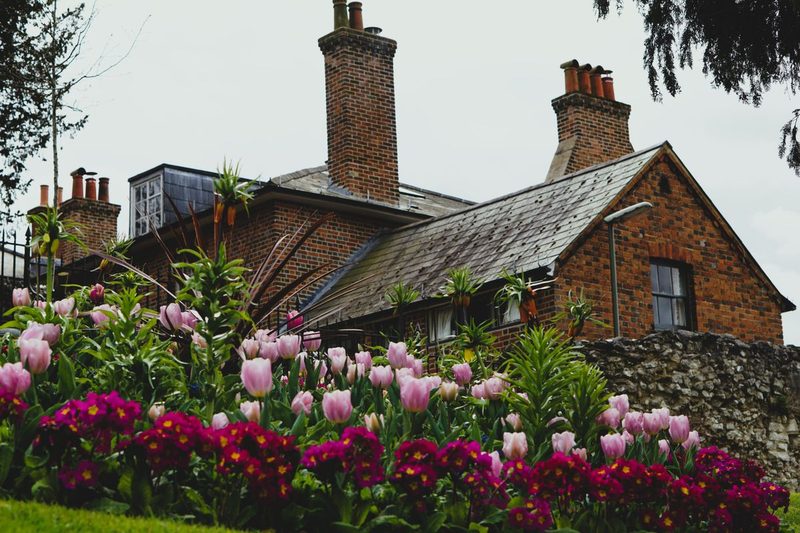
Capping in place - £300 to £700. The stack stays, the pots come off or stay, and a vented cap or cowl seals the top against rain while still allowing airflow. Cheapest option, keeps the look of the house, and solves the water ingress problem without any structural work.
Stack reduction - £900 to £1,800. The stack is taken down to a lower height, usually just above the ridge or to a point where it's more stable, then re-capped and re-flashed. Useful where the top metre or two has deteriorated but the rest is sound.
Removal to below the roofline - £1,200 to £2,800. Everything above the roof comes off, the roof is closed up over the opening with new rafters, battens, underlay and matching tiles or slates, and the flue below is capped and ventilated. The chimney breast stays inside the house.
Full removal through the property - £2,500 to £5,500. The breast comes out of every room as well. This is the one that frees up floor space, and it's also the one that needs structural design, building control and usually a party wall notice.
Add scaffolding to any of the last three, typically £600 to £1,400 for a two-week hire on a two-storey Taunton house. If access is at the rear with no vehicle route, which is common on the terraces off Station Road and around Wellington Road, expect more.
When Capping Is the Right Answer
Most of the time, honestly. A capped stack costs a fraction of removal, keeps the roofline the house was designed with, and preserves the option of reinstating a fire later - which matters more than people expect, because open fires and wood burners come back into fashion on a roughly twenty-year cycle.

Capping works when the stack itself is structurally sound, the flashing is or can be made watertight, and you're not trying to gain internal space. The cap must be vented, not sealed. A completely sealed flue traps moisture in the brickwork and inside the breast, and the result is damp patches on chimney breasts in bedrooms - a problem that's far more annoying than the one you were solving.
If the stack is leaning, has open joints across multiple faces, or the brickwork has spalled badly, capping is putting a hat on a problem. Getting someone up there to look properly before you decide is worth doing, because the difference between "cap it" and "take it down" is £2,000 and it isn't visible from the ground.
Repair Is Often Cheaper Than Either
Before committing to removal, it's worth knowing what a repair actually costs. Repointing, a new flaunching and fresh lead flashing frequently brings a tired stack back for less than a reduction. We've set out the common faults and their prices in our guide to chimney repairs in Taunton and what commonly goes wrong.
The Structural Rules You Can't Skip
This is where chimney work stops being roofing and starts being building.
A chimney breast carries the weight of the stack above it. Remove a breast on the ground floor and the breast on the first floor, plus the stack above the roof, has nothing underneath it. That masonry can weigh two to four tonnes on a typical Victorian Taunton terrace, and it has to be supported by something designed for the job.
Gallows brackets - steel brackets bolted into the party wall - were the traditional solution and are still sometimes proposed. Many building control bodies now refuse them, because they rely on the condition and thickness of masonry nobody has tested. The accepted modern approach is a steel beam bearing onto padstones, designed by a structural engineer.
What that means in practice:
- A structural engineer's calculation - £400 to £800
- Building Regulations approval through Somerset Council building control or an approved inspector, because this is structural work under Approved Document A and is notifiable
- A steel beam and padstones - £400 to £900 supplied and fitted
- Making good - plastering, flooring, skirting: £600 to £1,500
That's why full removal runs to £2,500 to £5,500 rather than the £1,200 people expect from a demolition quote. The Building Regulations approval process is not optional here, and an unapproved chimney breast removal is one of the most common things to derail a house sale in conveyancing.
The Party Wall Question
On a terraced or semi-detached property, and a large part of Taunton's older housing is one or the other, the chimney stack usually sits on or straddles the party wall.

Removing a chimney breast from a party wall is notifiable work under the Party Wall etc. Act 1996. You must serve notice on the adjoining owner, generally two months before work starts. They can consent, or dissent and appoint a surveyor, in which case you pay for both surveyors - typically £900 to £1,800 all in.
This catches people out in two ways. First, the two-month notice period means a job you wanted done in October starts in December. Second, shared stacks are exactly that: if your neighbour still uses their flue and you remove the shared stack above the roof, you've blocked their fire. That is not a conversation to have after the scaffolding goes up.
The Planning Portal's guidance on permissions is a reasonable starting point, but on a shared stack the sensible order of operations is: talk to the neighbour, then get the quote, then serve notice.
Conservation Areas and Listed Property in Taunton
Taunton has several conservation areas covering the town centre, Hammet Street and the Crescent, and parts of the older residential streets, plus a substantial number of listed buildings.

The rules that apply:
- Listed building - removing or altering a chimney stack almost always needs listed building consent, and refusal is common. Stacks are considered an important part of the building's character even when the fires are long gone.
- Conservation area, unlisted - removal of a chimney visible from a public highway can require planning permission, and some areas have an Article 4 direction removing permitted development rights entirely.
- Outside both - stack removal is generally permitted development, though the Building Regulations still apply to the structural work.
Check your property's designation on the Somerset Council planning pages before you get quotes. It takes ten minutes and occasionally changes the answer completely.
How the Roof Gets Made Good
This is the part that decides whether the job looks right in five years, and it's where corners get cut.

When the stack comes off below the roofline, there's a hole in the roof structure where the chimney passed through. Doing it properly means:
- New rafters and noggins framing the opening, tied into the existing structure
- New battens and breathable underlay , lapped correctly into the existing underlay rather than butted against it
- Matching tiles or slates. This is the hard part on older Taunton properties. Somerset's Victorian housing frequently used Welsh slate or local clay double romans, neither of which matches anything currently in stock. A good roofer sources reclaimed material, or takes matching tiles from a less visible elevation and puts new ones there instead.
- New ridge or hip tiles where the stack interrupted the run
- The flue below capped and vented , so the redundant shaft doesn't become a condensation trap
If a quote for stack removal doesn't mention how the roof will be closed and what material will be used, ask. "Make good roof" on a single line is not a specification.
Which Option Fits Which Situation
Cap it if the stack is sound, you don't need the floor space, and you want the cheapest lasting fix. Most Taunton homeowners land here.
Reduce it if the top section is deteriorating but the base is solid, particularly on exposed properties out towards the Blackdowns where the top metre takes a beating.
Remove to below roofline if the stack is genuinely failing, you have no intention of ever using a fire, and you don't need the internal space. Bear in mind you lose a bit of character and, on a period property, some buyers notice.
Full removal only if you actually need the floor space - typically to make a small bedroom workable or open up a kitchen. It's the only version that changes how you live in the house, and it's the only one that needs an engineer, building control and a party wall notice. Budget accordingly and get the paperwork, because your buyer's solicitor will ask for it in a decade's time.
Frequently Asked Questions
How much does it cost to remove a chimney in Taunton?
Removing a stack down to below the roofline and making the roof good costs £1,200 to £2,800, plus £600 to £1,400 for scaffolding. Full removal of the chimney breast through the house runs £2,500 to £5,500 because it requires a structural engineer, a steel beam, building control approval and internal making good.
Is it cheaper to cap a chimney than remove it?
Considerably. Fitting a vented cap costs £300 to £700 against £1,200 or more for removal, and it solves the water ingress problem while keeping the roofline intact and leaving the option of reinstating a fire later. Capping is the right answer for most sound but disused Taunton stacks.
Do I need building regulations approval to remove a chimney breast?
Yes, if you are removing the breast inside the house. It is structural work under Approved Document A and needs a structural engineer's design and sign-off from Somerset Council building control or an approved inspector. Removing only the stack above the roof is not usually notifiable, but the roof must still be made good properly.
Do I need to tell my neighbour before removing a shared chimney?
Yes. Removing a chimney breast from a party wall is notifiable under the Party Wall etc. Act 1996, and you must serve notice generally two months before work begins. If your neighbour dissents, surveyors are appointed at your cost, typically £900 to £1,800. On a shared stack you also need to confirm they are not still using their flue.
Why does a capped chimney cause damp on the chimney breast?
Because the cap was sealed rather than vented. A disused flue still draws moisture from the masonry and from the room below, and with no airflow that moisture condenses inside the shaft and shows as damp patches on the breast, often in an upstairs bedroom. A vented cap at the top and an airbrick at the bottom prevents it.
```json { "@context": "https://schema.org", "@type": "FAQPage", "mainEntity": [ { "@type": "Question", "name": "How much does it cost to remove a chimney in Taunton?", "acceptedAnswer": { "@type": "Answer", "text": "Removing a stack down to below the roofline and making the roof good costs £1,200 to £2,800, plus £600 to £1,400 for scaffolding. Full removal of the chimney breast through the house runs £2,500 to £5,500 because it requires a structural engineer, a steel beam, building control approval and internal making good." } }, { "@type": "Question", "name": "Is it cheaper to cap a chimney than remove it?", "acceptedAnswer": { "@type": "Answer", "text": "Considerably. Fitting a vented cap costs £300 to £700 against £1,200 or more for removal, and it solves the water ingress problem while keeping the roofline intact and leaving the option of reinstating a fire later. Capping is the right answer for most sound but disused Taunton stacks." } }, { "@type": "Question", "name": "Do I need building regulations approval to remove a chimney breast?", "acceptedAnswer": { "@type": "Answer", "text": "Yes, if you are removing the breast inside the house. It is structural work under Approved Document A and needs a structural engineer's design and sign-off from Somerset Council building control or an approved inspector. Removing only the stack above the roof is not usually notifiable, but the roof must still be made good properly." } }, { "@type": "Question", "name": "Do I need to tell my neighbour before removing a shared chimney?", "acceptedAnswer": { "@type": "Answer", "text": "Yes. Removing a chimney breast from a party wall is notifiable under the Party Wall etc. Act 1996, and you must serve notice generally two months before work begins. If your neighbour dissents, surveyors are appointed at your cost, typically £900 to £1,800. On a shared stack you also need to confirm they are not still using their flue." } }, { "@type": "Question", "name": "Why does a capped chimney cause damp on the chimney breast?", "acceptedAnswer": { "@type": "Answer", "text": "Because the cap was sealed rather than vented. A disused flue still draws moisture from the masonry and from the room below, and with no airflow that moisture condenses inside the shaft and shows as damp patches on the breast, often in an upstairs bedroom. A vented cap at the top and an airbrick at the bottom prevents it." } } ] } ```
```json { "@context": "https://schema.org", "@type": "Article", "headline": "Chimney Removal and Stack Reduction in Taunton: Costs, Building Regs and What's Involved", "description": "What it costs to remove or reduce a chimney stack in Taunton in 2026, the structural and party wall rules, why capping is often the better answer, and how the roof gets made good afterwards.", "author": { "@type": "Organization", "name": "The Team" }, "datePublished": "2026-09-15", "dateModified": "2026-09-15", "articleSection": "Roof Repairs" } ```
Ready to work with Roof Repairs Taunton?
Let's connect! We’re here to help.
Send us a message and we’ll be in touch.
Or give us a call today at 01823 746216
Agency Contact Form
More Marketing Tips, Tricks & Tools