Roof Repairs in Bishops Lydeard, Norton Fitzwarren and Creech St Michael: Costs and Faults
The villages ringing Taunton sit in three quite different micro-environments within eight miles of each other. Bishops Lydeard nestles under the eastern slopes of the Quantock Hills and takes wind and rain off high ground. Norton Fitzwarren sits on the Tone valley floor immediately west of the town. Creech St Michael lies to the east on the edge of the Somerset Levels, where the water table is high and flooding is a documented risk. Rainfall across the group runs 780 to 950 mm a year depending on how close you are to the Quantocks, against about 750 in Taunton itself. Roof repairs run £180 to £1,500, and which fault you get depends heavily on which of the three you live in. Here is the local picture.
What Roof Repairs Cost Around Taunton in 2026
Grouping by the access needed gives the clearest figures.
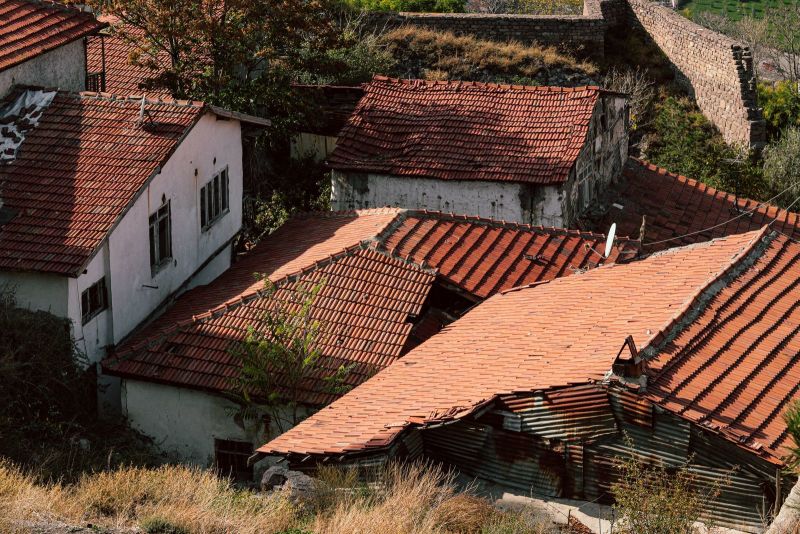
Ladder-level jobs: replacing three or four slipped tiles is £180 to £330, refixing a loose ridge tile £160 to £300, resealing a flashing detail £190 to £360.
Scaffold or tower work: repointing a ridge line runs £560 to £1,120, renewing lead chimney flashing £470 to £950, replacing a valley £700 to £1,500, and renewing fascia, soffit and gutter on one elevation £540 to £1,250.
Larger jobs: re-tiling one elevation of a semi is £2,800 to £5,500, and a full re-roof on a standard three-bedroom property £7,200 to £12,800. Scaffolding accounts for £650 to £1,450, and on the narrow lanes through Bishops Lydeard and Creech village centres it can cost more because of traffic management. Roof Repairs Taunton covers all three villages and inspects before pricing, which matters here because a fault that looks identical from the ground has different causes in each location.
Bishops Lydeard: Quantock Exposure and Period Stock
Bishops Lydeard sits at the foot of the Quantocks and catches the orographic rainfall that comes off high ground. The village records noticeably wetter conditions than Taunton, and the westerlies that arrive have been accelerated over the hills.
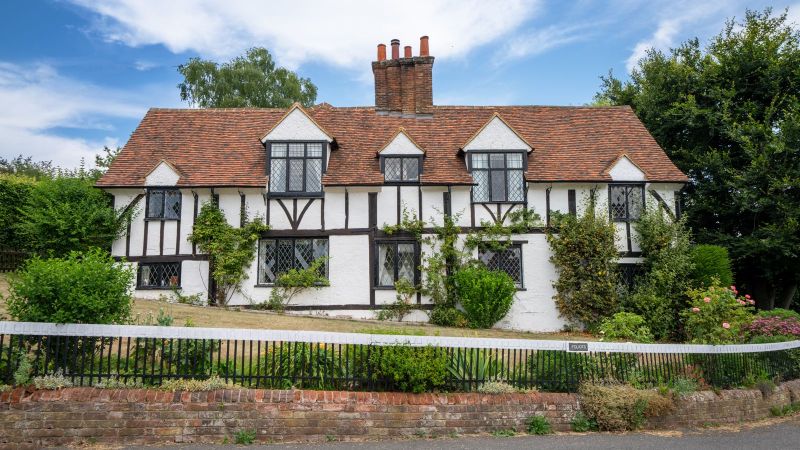
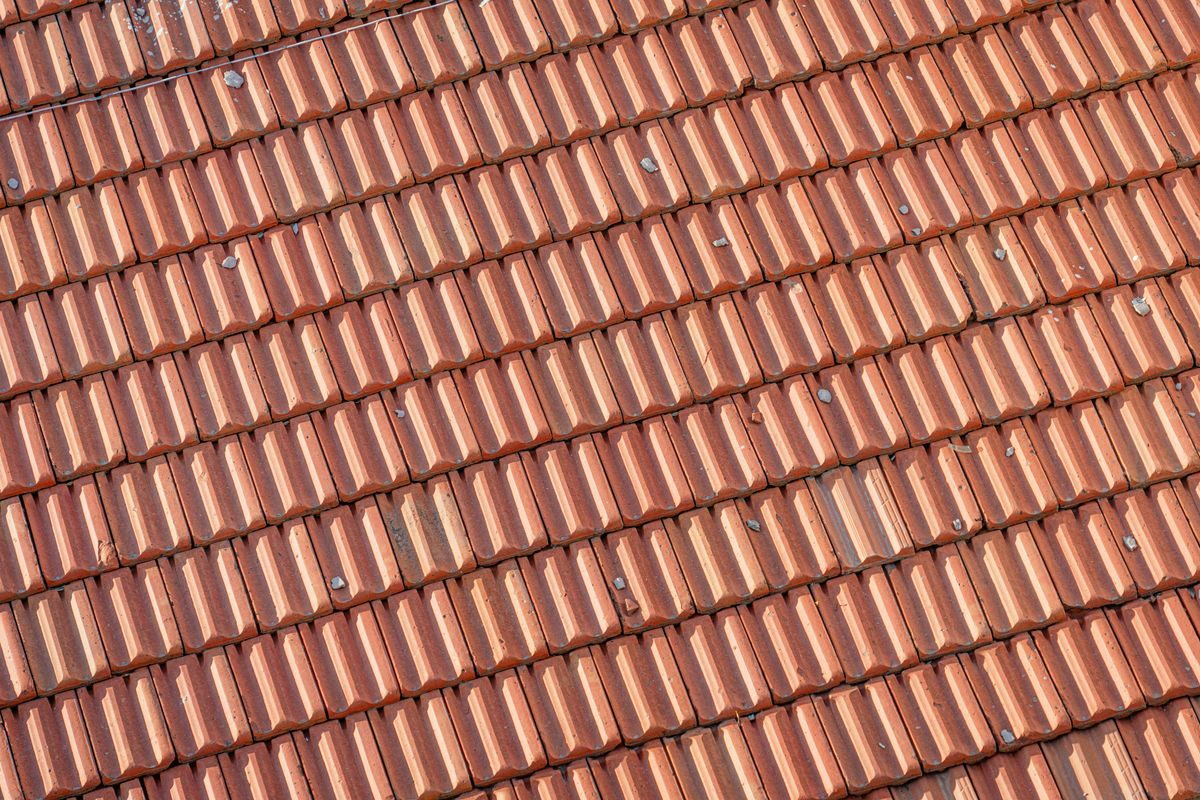
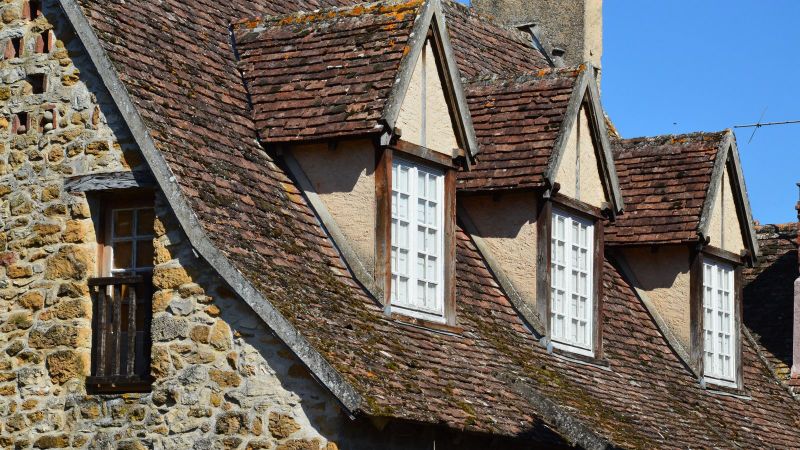
The stock is a mix. The historic core around the church and Mount Street includes red sandstone and rendered cottages with clay double Roman or plain tile roofs, some of them 200 years old. Around that sits post-war and later development with concrete interlocking tiles.
On the older cottages the recurring problems are mortar-bedded ridge and verge failing at 15 to 25 years in this exposure, and clay tiles spalling at the tail after a century of freeze-thaw on a saturated surface. Matching old clay double Roman is genuinely difficult, and reclaimed tiles cost £1.40 to £3.20 each against 70p to £1.40 for modern equivalents.
Wind lift is the other one. Properties on the western edge of the village, facing open ground towards the hills, lose ridge and verge tiles more often than the sheltered centre. Dry fix systems are worth specifying here: £45 to £70 per linear metre fitted against £30 to £50 for mortar repointing, but mechanically fixed with a 10 to 15 year manufacturer warranty.
Thatch Neighbours and Fire Separation
There is still thatch in and around the village, and where a tiled property abuts or sits close to a thatched one, fire separation at the party detail matters. If you are re-roofing next to thatch, raise it with the contractor at quote stage rather than after the scaffold is up.
Norton Fitzwarren: Valley Floor and Post-War Growth
Norton Fitzwarren sits in the Tone valley immediately west of Taunton and has grown substantially, with large-scale housing development added to a historic core.
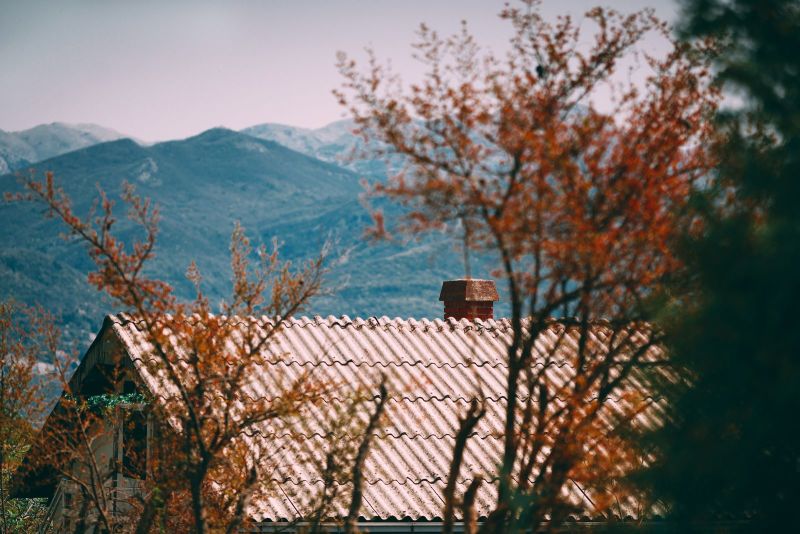
The newer housing is standard concrete interlocking tile on trussed rafters, well built and structurally sound. The faults are the modern ones rather than the historic ones: bitumen underlay embrittling and tearing at the eaves after 30 to 40 years, inadequate roof ventilation causing condensation once loft insulation is topped up to current depth, and mortar bedding reaching the end of its life on the 1970s and 80s stock.
That eaves underlay failure is worth naming specifically because it is so often misdiagnosed. Water runs down the inside of the felt, and where the felt has torn at the fascia, it drips into the wall head instead of the gutter. The symptom is damp at the top of an upstairs wall with a roof that looks perfect from outside. Fitting an eaves protection tray costs £280 to £650 per elevation.
Ventilation is the companion issue. Add 300mm of loft insulation to a roof with no soffit or ridge vents and you create condensation on the underside of the felt, which drips onto the insulation and reads exactly like a leak. Retrofitting soffit vents and a ventilated ridge costs £450 to £1,100 and fixes it permanently. We cover the insulation and ventilation balance in more detail in our guide to loft and roof insulation costs in Taunton.
Creech St Michael: Levels Damp and Drainage Load
Creech St Michael sits east of Taunton on the edge of the Somerset Levels, alongside the Bridgwater and Taunton Canal and the River Tone. The water table is high, the ground is often saturated through winter, and the village has a documented flood history.
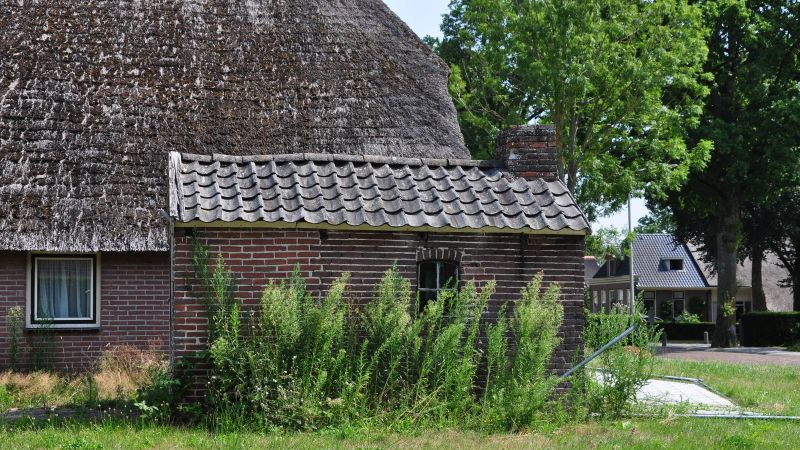
That environment produces a distinctive set of roof-adjacent problems, and most of them are about water volume rather than wind.
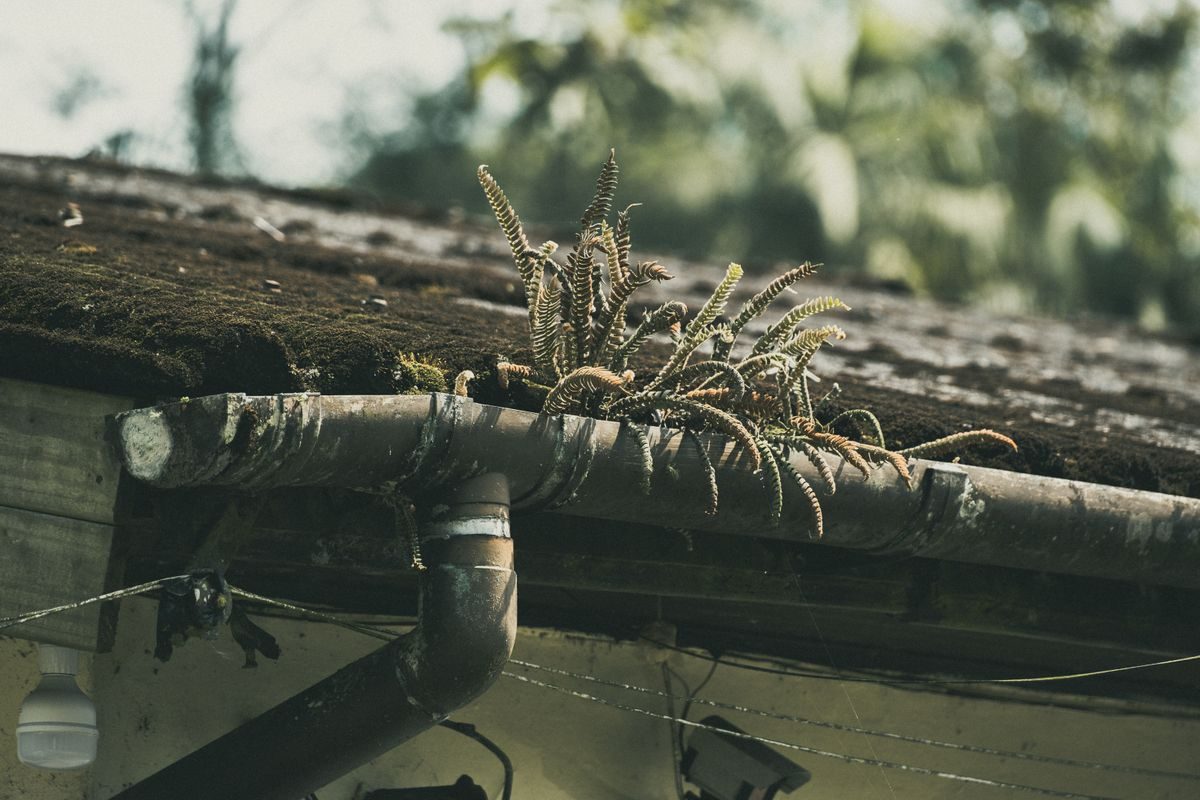
Gutters here work harder than they look. A 40 square metre roof slope in a heavy Somerset downpour can deliver over 30 litres a minute to a single downpipe, and much of the older stock has 100mm half-round gutter with a 68mm downpipe, which is at capacity. Overflow at the eaves soaks the wall head, and in a village where the ground is already saturated the water has nowhere useful to go. Upgrading to 112mm or 125mm deep-flow gutter costs £30 to £55 per linear metre fitted.
Downpipe discharge matters too. Where a downpipe discharges to a soakaway in ground that is already at capacity, the soakaway does nothing. Connecting to a surface water drain, or at minimum extending the discharge well away from the building, is the practical answer. Somerset Council publishes local flood risk information worth checking before making drainage changes.
Persistent ground damp also drives high ambient humidity, which suits moss and algae. North-facing slopes here grow moss thickly, and moss holds water against the tile, blocks laps and washes into gutters. Hand scraping plus biocide treatment on a semi runs £350 to £750. Do not pressure wash - it strips the pigmented surface coating off concrete tiles and forces water under the laps.
Somerset Weather and What It Does to Roofs
Somerset's climate is mild, wet and humid rather than extreme. Taunton averages roughly 750 mm of rain a year, and the villages under the Quantocks reach 900 mm or more, spread across 140 to 160 wet days.
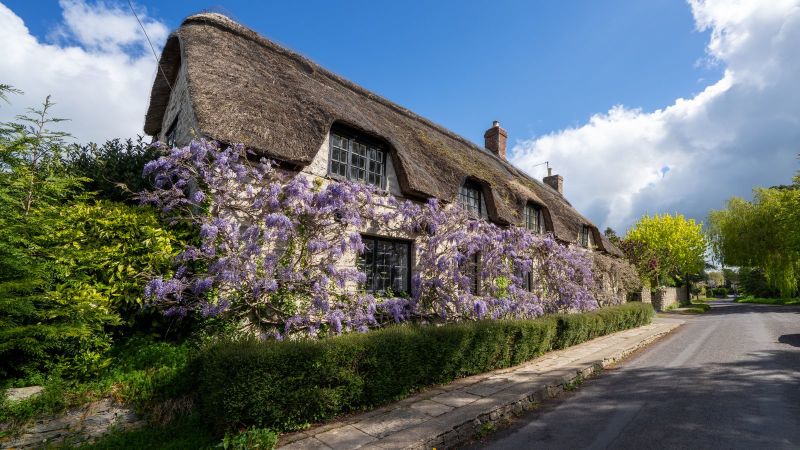
Frost is relatively infrequent but the freeze-thaw cycles that do occur act on tiles that are already saturated, which is more damaging than a hard frost on a dry roof. That is why clay tile spalling shows up here on roofs that would be fine in a drier, colder county.
Wind is the second factor, and it is directional. The westerlies that arrive from the Bristol Channel and over the Quantocks hit the western sides of all three villages hardest. If your neighbours to the west of you are losing ridge tiles and you are not, that is why, and it is a reason to specify mechanical fixing rather than assume you will be fine.
Storm damage claims turn on this too. Insurers generally treat 55 mph as the storm threshold, and they decline claims where the roof was already in poor condition. A dated roof survey costing £190 to £420 is the cheapest protection against the pre-existing condition argument.
Deciding Between Repair and Re-Roof
Age is a poor guide. A well-detailed 60-year-old roof outlasts a badly detailed 25-year-old one.

The useful questions are about pattern. Faults appearing repeatedly in different places across a slope point to a systemic problem - nail sickness, perished mortar throughout, or failed underlay - and patching those is money into a roof that has reached the end of its life. Faults appearing repeatedly in the same place point to a detailing error that should be fixed properly once.
On a tiled roof, once you are replacing more than about 15% of a slope annually, re-tiling that elevation costs less over five years than continued patching plus repeated scaffold hires.
Get a survey rather than a quote as the starting point. An inspection should include the loft, because that is where underlay condition, ventilation and timber condition are actually assessed. A survey from someone who is not bidding for the work is worth paying for.
Choosing a Contractor in the Taunton Villages
The usual checks: public liability of at least £2 million with the certificate produced rather than asserted, membership of a body such as the National Federation of Roofing Contractors, and two recent local references you actually call.
Two village-specific additions. Ask about access and traffic management - the lanes through Bishops Lydeard and Creech St Michael are narrow, and a scaffold on a highway needs a licence from the council, which the contractor should arrange and price rather than leave to you.
And ask what fixings and mortar they intend to use. On a period cottage in Bishops Lydeard the answer should involve lime mortar rather than hard cement, because cement on soft historic brick and sandstone traps moisture and spalls the masonry. A contractor who says "standard sand and cement" for a 200-year-old cottage has not understood the building. We cover similar material-matching questions in our guide to roof repairs in Wellington, Somerset.
Frequently Asked Questions
How much does a roof repair cost in the villages around Taunton?
Ladder-level repairs such as replacing slipped tiles run £180 to £330, and refixing a ridge tile is £160 to £300. Scaffold work including repointing a ridge line or renewing chimney flashing costs £470 to £1,120. Re-tiling one elevation of a semi is £2,800 to £5,500, and a full re-roof £7,200 to £12,800.
Why do roofs in Bishops Lydeard fail faster than in Taunton?
The village sits at the foot of the Quantocks and receives 900 mm or more of rain a year against about 750 in Taunton, with westerlies accelerated over the high ground. Mortar-bedded ridge and verge lasts 15 to 25 years in that exposure rather than 25 to 35, and saturated clay tiles spall more readily in freeze-thaw.
There's damp at the top of my upstairs wall but the roof looks fine. Why?
In Norton Fitzwarren's post-war stock this is usually torn eaves underlay. Bitumen felt embrittles after 30 to 40 years and cracks where it drapes over the fascia, so water running down the underlay drips into the wall head rather than the gutter. Fitting an eaves protection tray costs £280 to £650 per elevation.
Do I need bigger gutters in Creech St Michael?
Often, yes. A 40 square metre roof slope can deliver over 30 litres a minute to one downpipe in heavy Somerset rain, and older 100mm half-round gutter with a 68mm downpipe is at capacity. On the Levels edge, where the ground is already saturated, overflow has nowhere to go. Upgrading to 112mm or 125mm deep-flow costs £30 to £55 per linear metre.
Ready to work with Roof Repairs Taunton?
Let's connect! We’re here to help.
Send us a message and we’ll be in touch.
Or give us a call today at 01823 746216
Agency Contact Form
More Marketing Tips, Tricks & Tools