Getting Onto a Neighbour's Land to Repair Your Roof in Taunton: Access Rights, the Law and Avoiding a Dispute
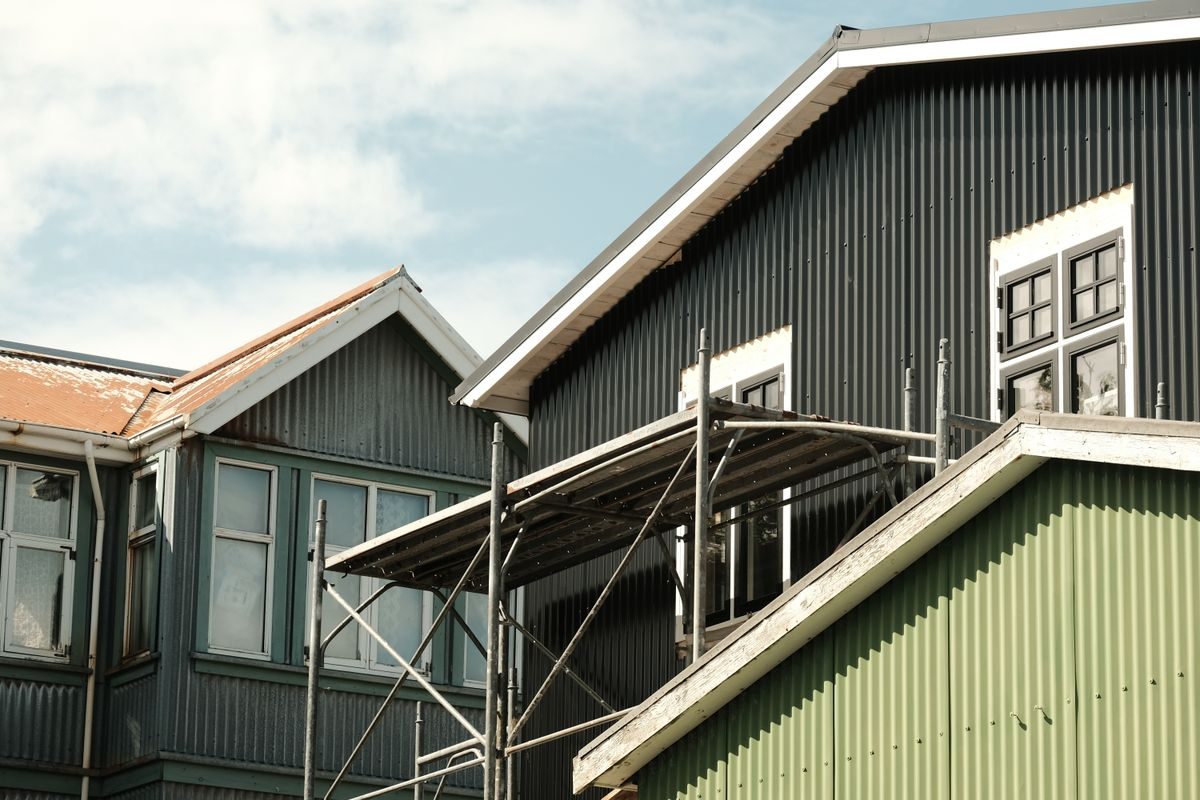
There is a specific and infuriating situation that comes up several times a year on Somerset properties: the roof needs repairing, the repair itself is straightforward, and the entire job is stalled because the only place a scaffold can stand is the neighbour's garden - and the neighbour has said no. It is more common in and around Taunton than you might expect. The town centre and the older parts of Bishop's Hull, Rowbarton and Wilton are full of tightly packed Victorian terraces with no side access at all, the surrounding villages have cottages built up against lanes and each other centuries before anyone thought about maintenance access, and a significant number of properties have rear elevations reachable only across someone else's land. The good news is that the law anticipated this. The better news is that the law is rarely the fastest route. Here's both.
When You Actually Need Access
Before treating this as a legal problem, establish whether it is a physical one. A surprising number of "we can't reach it" situations turn out to be solvable.
Genuine access requirements for roof work:
- Full scaffold for a re-roof, a stack rebuild or any sustained work at height. Needs a base area roughly 1.5m out from the wall, on reasonably level ground.
- Scaffold tower or mobile platform for shorter jobs - a flashing, a few tiles, a gutter section. Needs around 2m x 1.5m.
- Cherry picker or MEWP. Needs vehicle access and a hardstanding, so often less practical in a terrace than scaffold, but it can sometimes work from a lane where scaffold cannot.
- Roof ladder access from your own side , working over the ridge. Viable for genuinely small jobs on a pitch you can get to.
Alternatives worth exhausting first, because they avoid the whole problem:
- Working from your own roof over the ridge. For a small repair on a shallow pitch this is often entirely feasible.
- Scaffolding on the highway with a licence from Somerset Council. For a terrace fronting a street this is the standard answer, and the licence is routine - typically £100 to £400 for the permit plus the scaffold cost.
- A cantilevered or bridged scaffold spanning over the neighbouring land from your own, touching down only on your side. More expensive - expect 30% to 60% above a standard scaffold - but it removes the need for consent entirely in some configurations.
- Suspended access or a lightweight system for very limited work.
It is worth having a roofer confirm which of these applies before any conversation with a neighbour, because "I need to put scaffolding in your garden for three weeks" and "I need a tower in the corner of your garden for two days" get very different answers. A site visit that establishes the minimum access actually required is therefore the first practical step, not the last.
Working Out the Minimum Access You Need
Which of those options applies comes down to the job, the pitch and the ground, and the difference in footprint between them is large. We've gone through the access methods in detail, including when a tower is sufficient and when a highway licence is the answer, in our guide to scaffolding for roof work in Taunton, costs, towers and licences. Read that before you ask a neighbour for anything, because narrowing the request is the single most effective thing you can do.
What the Law Gives You: The 1992 Act
England and Wales have a specific statute for exactly this, and most homeowners have never heard of it.
The Access to Neighbouring Land Act 1992 lets you apply to the court for an access order permitting entry onto neighbouring land to carry out "basic preservation works" to your own property. Roof repairs, chimney repairs, guttering, rendering and structural repair all sit comfortably within that definition.
The essential mechanics:
- The works must be for preservation , not improvement. Repairing or renewing a failing roof qualifies. Building a new dormer, adding a conservatory or extending does not.
- The court must be satisfied the works are reasonably necessary for preserving the property, and that they cannot be carried out, or would be substantially more difficult, without access.
- The court will refuse if access would cause unreasonable interference with the neighbour's use and enjoyment of their land, or unreasonable hardship. A scaffold across a small garden for three weeks in summer is a real argument; a tower in a corner for two days is not.
- The order can impose conditions - dates, hours of work, extent of the area, insurance requirements, making good afterwards, and a requirement to pay for any damage.
- Compensation may be ordered for loss, damage or inconvenience. Where the property is not residential, the court can also order a payment for the privilege of access.
Importantly, the Act applies only where the neighbour has refused consent . You cannot go to court without having asked properly first, and the court will want to see that you did.
What About a Party Wall Notice?
These two regimes get confused constantly, and they are not the same thing. The Party Wall etc. Act 1996 deals with work to a shared structure - cutting into a party wall, raising it, underpinning, or excavating near a neighbour's foundations, and the government's guidance on party walls and building works sets out the notice procedure. It carries its own automatic right of access for the notified works.
The Access to Neighbouring Land Act deals with getting onto neighbouring land to work on your own separate structure. If you are repairing a shared roof or a party parapet on a Taunton terrace, you may well be in party wall territory instead, which changes the procedure and is generally faster. If you are repairing your own roof slope and simply need somewhere to stand, it is the 1992 Act.
What It Costs to Go to Court
This is the section that changes most people's approach, and it should.
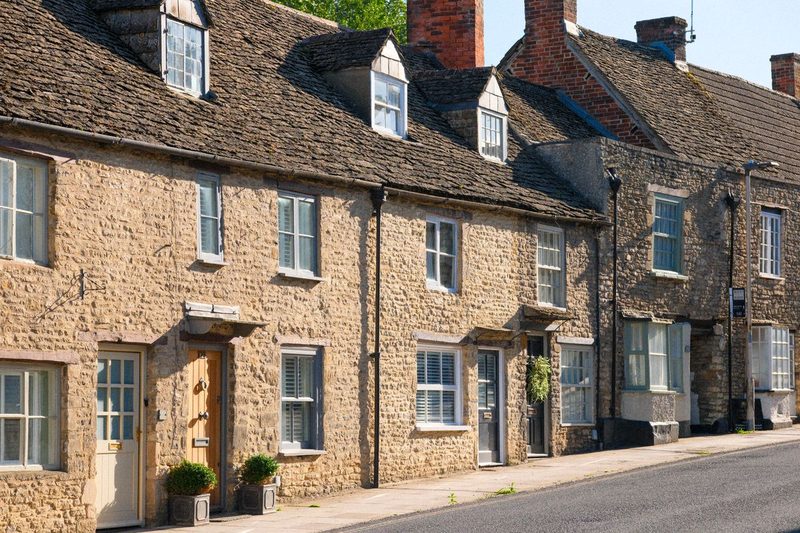
An application for an access order is made to the County Court. Realistic figures:
- Court fee - £300 to £600 depending on how the claim is valued
- Solicitor's costs for an uncontested application - £1,500 to £3,000
- Solicitor's costs where the neighbour contests it - £4,000 to £10,000 or more
- Timescale - three to eight months from application to order, sometimes longer
- Costs risk. You may be ordered to pay the neighbour's costs in some circumstances, and even when successful you often will not recover all of yours
Set that against the repair. A typical Taunton flashing or ridge job is £600 to £1,500. Spending £3,000 and five months to gain access for a £900 repair is a poor outcome even when you win, and the leak will have been running throughout. The Act is genuinely valuable as leverage and as a backstop for large, unavoidable works - a full re-roof at £9,000 to £14,000 where there is no alternative access changes the arithmetic considerably. For routine repairs it is a threat that works better unused.
The one exception worth noting: if water is actively entering and causing progressive damage, document everything. A neighbour who obstructs access and thereby contributes to escalating damage is in a weaker position, both at court and with their own insurer if the damage spreads to their property.
The Approach That Actually Works
In practice the overwhelming majority of these situations are resolved without a solicitor, and the difference is almost entirely in how the request is made.

What works:
- Ask early and in person , well before the work is booked. A neighbour presented with a fait accompli refuses on principle.
- Be specific. "A scaffold tower in the corner nearest the shed, Tuesday to Thursday, 8am to 4pm, two men" is answerable. "Some access to do the roof" is not.
- Put it in writing afterwards , confirming what you discussed. Not as a threat - as a record, and because it makes you look organised rather than chaotic.
- Offer the things they are actually worried about. Boards to protect the lawn, an agreed route in and out, no access through the house, a named contact, a finish date, and making good anything damaged.
- Show them the contractor's insurance. Public liability of £2m to £5m is standard. This addresses the unspoken fear, which is usually liability if someone falls.
- Offer to pay for damage, in writing. Rutted lawns, a crushed border and a damaged fence panel are the realistic risks and are cheap to put right.
- Mention that you have checked the alternatives. It signals you are not asking casually.
- Where relevant, note the mutual benefit. On a terrace, your failing roof will eventually be their damp wall. And if they have work coming, sharing the scaffold cost saves both of you £500 to £1,500.
What does not work: leading with the 1992 Act, arriving with a solicitor's letter, or erecting anything before agreement. All three convert a manageable conversation into a dispute, and disputes with neighbours are legally disclosable when you sell - which is a genuine cost most people do not factor in.
If direct conversation has failed but relations are not beyond repair, mediation is worth considering before litigation. A community mediation service or a surveyor acting as an independent third party costs £300 to £900 and resolves a substantial proportion of these.
Why This Comes Up So Often Around Taunton
The local building pattern genuinely drives this.
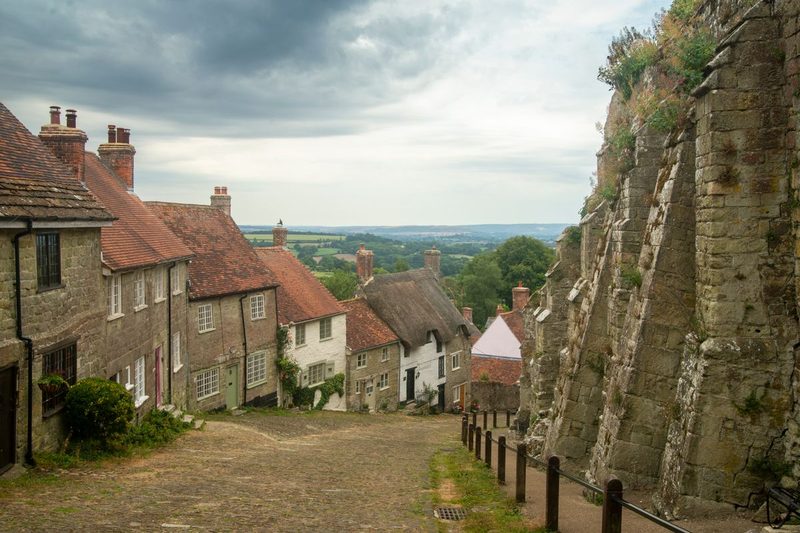
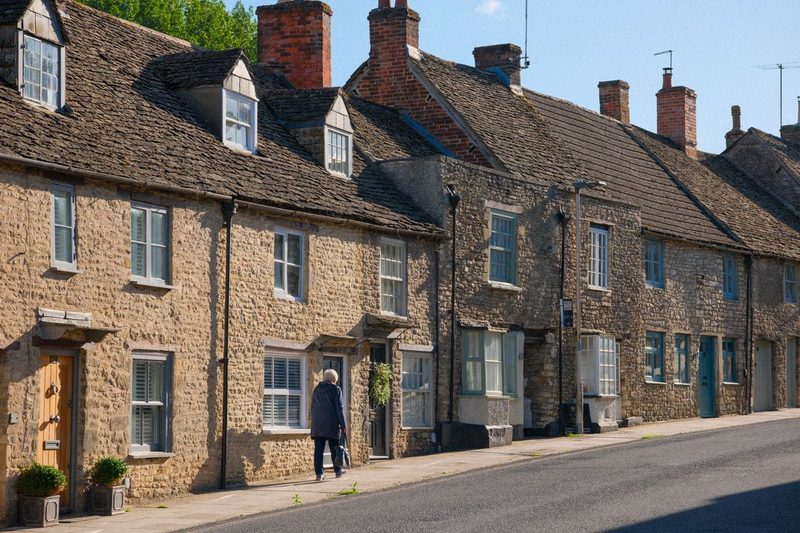
Victorian and Edwardian terraces in the town centre, Rowbarton, Bishop's Hull and along the Wellington Road were built to the back of the pavement at the front and to the boundary at the sides, with rear elevations often only reachable through a neighbour's yard. Many have no side passage at all.
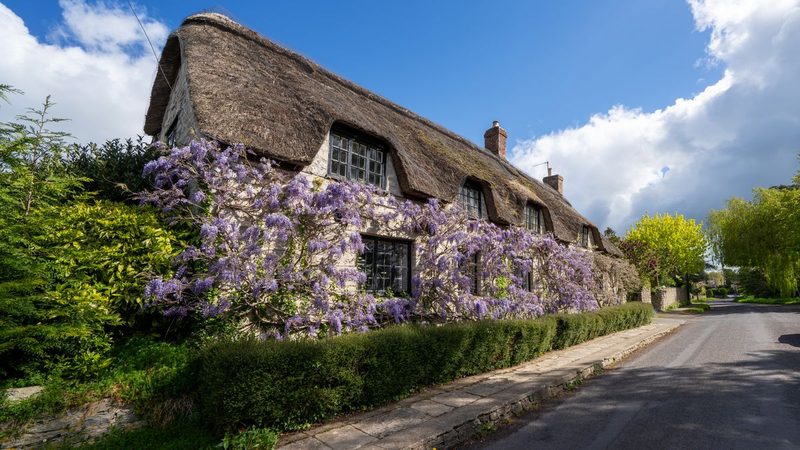
Village cottages in Bishops Lydeard, Creech St Michael, Norton Fitzwarren, Wiveliscombe and the West Somerset villages are frequently built directly onto lanes, in terraces of two or three, with shared yards and boundaries that predate the Land Registry. Deeds sometimes contain historic rights of way for maintenance, which is always worth checking before assuming you have none.
Hamstone and rubble-stone construction in the south of the county around Ilminster and Chard means thicker walls, heavier materials and often a need for full scaffold rather than tower access, because the work takes longer and involves carrying weight.
Somerset's climate adds urgency to all of it. The county is one of the wetter parts of lowland England, with annual rainfall around 800mm on the levels rising well above 1,200mm on the Quantocks and Exmoor fringe, spread across a long wet season from October through March. A roof defect that would sit benignly for a year in the drier east of England progresses quickly here, and the prevailing south-westerlies drive rain onto exposed elevations rather than letting it fall vertically. Delay has a real cost, which is the strongest practical argument for starting the access conversation early rather than when the ceiling stains appear.
One final point on deeds. Before assuming you have no right of access, get a copy of your title register and any conveyance plans from HM Land Registry, and check for an existing easement. Older Taunton terraces quite often carry a documented right to enter adjoining land for repair and maintenance, sometimes wording several generations old. If one exists, you do not need the Act, the court or the conversation - you need to point at the deed. It costs a few pounds to check and occasionally saves the entire problem.
Frequently Asked Questions
Can my neighbour legally stop me accessing their land to fix my roof?

They can refuse consent, but their refusal is not necessarily final. Under the Access to Neighbouring Land Act 1992 you can apply to the County Court for an access order to carry out basic preservation works, which includes roof repairs. The court will grant it where the works are reasonably necessary and access would not cause unreasonable interference or hardship to the neighbour.
How much does it cost to get a court access order?
Expect a court fee of £300 to £600 plus solicitor's costs of £1,500 to £3,000 for an uncontested application, rising to £4,000 to £10,000 or more if contested, and three to eight months to obtain. That makes it disproportionate for a £900 repair but potentially worthwhile for a £12,000 re-roof with no alternative access.
Is this the same as a party wall notice?
No. The Party Wall etc. Act 1996 covers work to a shared structure such as cutting into or raising a party wall. The Access to Neighbouring Land Act 1992 covers getting onto neighbouring land to work on your own separate structure. Repairing a shared roof or party parapet is more likely party wall territory, which is a different and usually faster procedure.
Can I avoid needing access to next door altogether?
Often, yes. Options include working over your own ridge for small repairs, a highway scaffold licence from Somerset Council if the property fronts a street (typically £100 to £400 for the permit), or a cantilevered scaffold bridging over the neighbouring land without touching down on it, which costs around 30% to 60% more than standard scaffold.
Do I have an existing right of access in my deeds?
Possibly. Older Taunton terraces and village cottages quite often carry an easement granting the right to enter adjoining land for repairs and maintenance. Obtain your title register and any conveyance plans from HM Land Registry and check before assuming you have none - it costs very little and occasionally resolves the issue outright.
```json { "@context": "https://schema.org", "@type": "FAQPage", "mainEntity": [ { "@type": "Question", "name": "Can my neighbour legally stop me accessing their land to fix my roof?", "acceptedAnswer": { "@type": "Answer", "text": "They can refuse consent, but their refusal is not necessarily final. Under the Access to Neighbouring Land Act 1992 you can apply to the County Court for an access order to carry out basic preservation works, which includes roof repairs. The court will grant it where the works are reasonably necessary and access would not cause unreasonable interference or hardship to the neighbour." } }, { "@type": "Question", "name": "How much does it cost to get a court access order?", "acceptedAnswer": { "@type": "Answer", "text": "Expect a court fee of 300 to 600 pounds plus solicitor's costs of 1,500 to 3,000 pounds for an uncontested application, rising to 4,000 to 10,000 pounds or more if contested, and three to eight months to obtain. That makes it disproportionate for a 900 pound repair but potentially worthwhile for a 12,000 pound re-roof with no alternative access." } }, { "@type": "Question", "name": "Is this the same as a party wall notice?", "acceptedAnswer": { "@type": "Answer", "text": "No. The Party Wall etc. Act 1996 covers work to a shared structure such as cutting into or raising a party wall. The Access to Neighbouring Land Act 1992 covers getting onto neighbouring land to work on your own separate structure. Repairing a shared roof or party parapet is more likely party wall territory, which is a different and usually faster procedure." } }, { "@type": "Question", "name": "Can I avoid needing access to next door altogether?", "acceptedAnswer": { "@type": "Answer", "text": "Often, yes. Options include working over your own ridge for small repairs, a highway scaffold licence from Somerset Council if the property fronts a street (typically 100 to 400 pounds for the permit), or a cantilevered scaffold bridging over the neighbouring land without touching down on it, which costs around 30% to 60% more than standard scaffold." } }, { "@type": "Question", "name": "Do I have an existing right of access in my deeds?", "acceptedAnswer": { "@type": "Answer", "text": "Possibly. Older Taunton terraces and village cottages quite often carry an easement granting the right to enter adjoining land for repairs and maintenance. Obtain your title register and any conveyance plans from HM Land Registry and check before assuming you have none, as it costs very little and occasionally resolves the issue outright." } } ] } ```
```json { "@context": "https://schema.org", "@type": "Article", "headline": "Getting Onto a Neighbour's Land to Repair Your Roof in Taunton: Access Rights, the Law and Avoiding a Dispute", "description": "Your roof needs work but the only way to reach it is over next door's garden. Here's what the Access to Neighbouring Land Act actually gives you, what a neighbour can and cannot refuse, what a court order costs, and the practical route that works far better.", "author": { "@type": "Organization", "name": "The Team" }, "datePublished": "2026-09-22", "dateModified": "2026-09-22", "articleSection": "Roof Repairs" } ```
Ready to work with Roof Repairs Taunton?
Let's connect! We’re here to help.
Send us a message and we’ll be in touch.
Or give us a call today at 01823 746216
Agency Contact Form
More Marketing Tips, Tricks & Tools