Roof Leak Detection in Taunton: How Roofers Trace a Leak, What Each Test Costs, and Whether It's the Roof at All
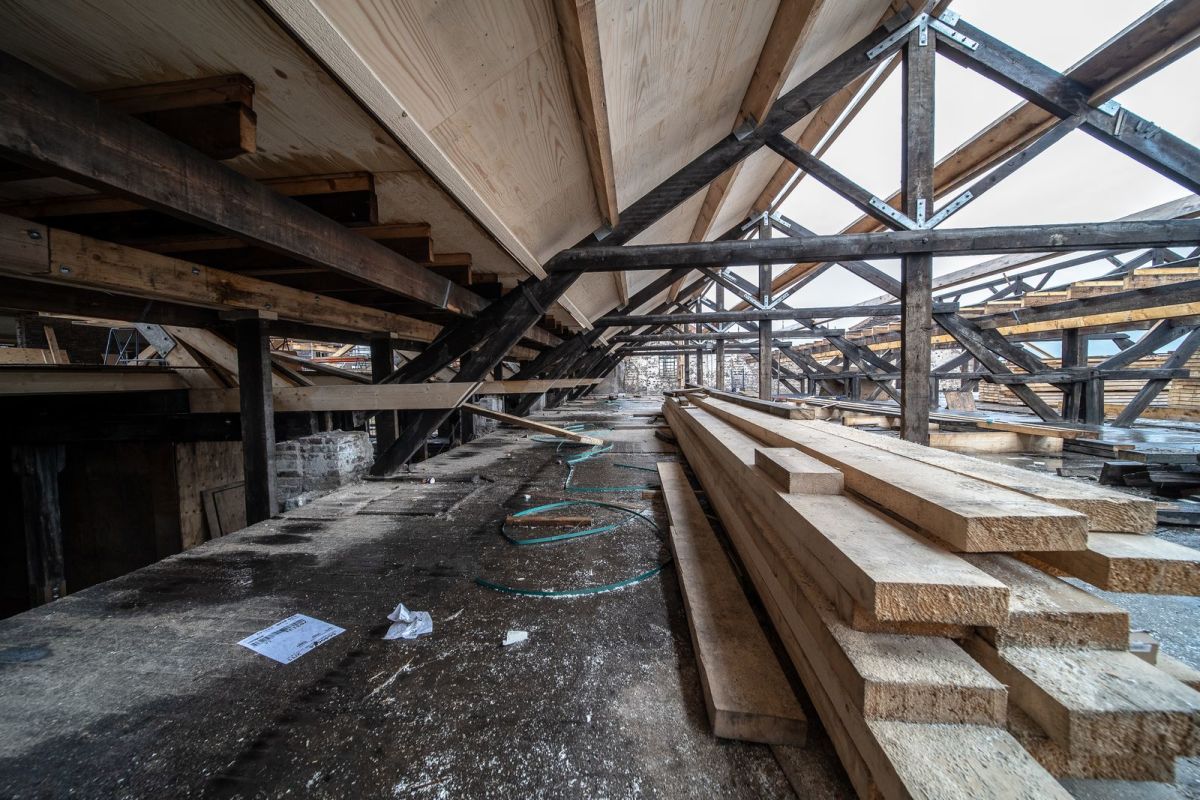
Water rarely comes through a ceiling directly under the hole that let it in. It lands on a felt, runs along a rafter, soaks a patch of insulation and shows up a metre or two away, sometimes in a different room. That's why, in our experience, something like one in three leak call-outs in Taunton turn out to have a different source from the one the homeowner suspected, and why a good roofer spends more time finding a leak than fixing it. Taunton gets around 750-800mm of rain a year in the town itself, less than the UK average of about 1,150mm, but the Blackdowns to the south and Exmoor to the west are far wetter, and the south-westerly weather coming over them brings the rain in sideways. This guide sets out what to check yourself first, the order a roofer should test in, what each method costs in 2026, and how to rule out condensation, plumbing and damp walls before you pay anyone to go up a ladder.
Why Taunton Roofs Leak Where They Do
The rain that causes trouble here arrives on a strong south-westerly, and wind-driven rain gets pushed uphill under tile laps and behind lead flashings that would shed ordinary rainfall. You can see the pattern in the Met Office climate averages for the region: the wettest months, October to January, are also the windiest. Around 60% of the leak reports we see arrive in that window, and plenty only appear during a gale.

The housing stock shapes where the water gets in. Victorian and Edwardian terraces around the town centre, Wilton and Rowbarton have slate roofs, shared chimney stacks and valley gutters between back additions, and those valleys and chimney flashings account for a big share of the leaks we trace. The 1960s-80s estates at Priorswood, Halcon and Lyngford mostly have concrete interlocking tiles, which hold up well until the ridge and verge mortar lets go. Older red sandstone and hamstone cottages have thick walls that can wick water down from a failed coping, which looks exactly like a roof leak from inside. And behind a lot of those houses sits a flat-roofed kitchen or garage extension, often 25 years old or more.
If you'd rather skip straight to getting someone out, you can arrange a leak inspection with Roof Repairs Taunton and we'll work through the steps below in order.
Is It the Roof? Condensation, Pipes and Wall Damp Compared
Rule out the three usual impostors before anyone climbs on the roof. A hose test costs the same whether or not the roof was ever the problem.

Condensation in the Loft
Condensation shows up as droplets on the underside of the felt or on nail tips, often across a wide area rather than one patch, and it's worst on cold, still mornings rather than during rain. If the loft is wet after a frosty week with no rain, it's almost certainly condensation. We've gone through the causes and fixes in our guide to roof ventilation and loft condensation in Taunton, including why topping up insulation to 270mm without adding vents often makes it worse.
A Plumbing Leak
A cold water tank, header tank, overflow pipe or bathroom waste can all leak into a ceiling. Plumbing leaks carry on in dry weather, or appear after a shower. Turn off the water at the stopcock for two hours and check whether the meter moves. If it does, call a plumber, and check your home insurance for "trace and access" cover, which typically pays £1,000-£5,000 towards finding a hidden pipe leak.
Penetrating Damp Through Walls
Damp that starts at the top of a wall and spreads downwards, especially on a south- or west-facing gable, can come from a cracked render, a blocked gutter or a failed chimney flashing rather than the roof covering itself. The government guidance on damp and mould sets out the difference between penetrating damp, rising damp and condensation clearly.
DIY Checks Before You Call a Roofer
Twenty minutes, no higher than the loft hatch.
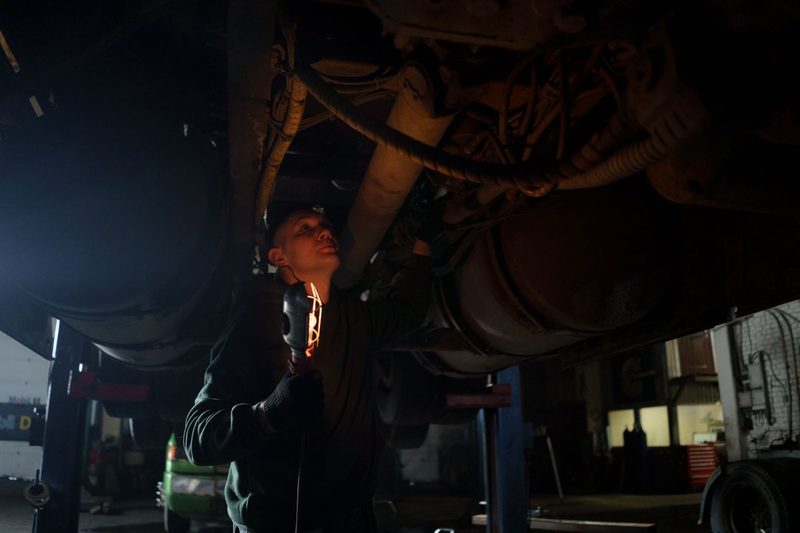
1. Photograph the stain and mark its edge in pencil. If it grows after the next rain, it's active. If it doesn't, it may be an old leak that's already been fixed. 2. Note the weather when it appeared. Heavy rain with a strong south-westerly points to tiles, flashings or a gable. Rain with no wind points to a slipped tile, a cracked slate or a blocked valley. 3. Go into the loft during or just after rain with a torch. Look for daylight, wet timber and drip marks on the insulation. Stay on the joists. 4. Check the gutters and downpipes from the ground. Water overflowing onto a wall is behind maybe 15-20% of the "roof leaks" we're called to in autumn. 5. Look at the roof with binoculars from the street or garden: missing or slipped tiles, open ridge joints, lifted lead.
Don't go on the roof yourself. Falls from height are the biggest single cause of deaths at work in Britain, and that's among people trained to do it.
Loft Inspection: The First Thing a Roofer Does
A decent roofer starts inside, not on the roof. From the loft they trace the water trail back uphill along rafters and battens, looking for staining, rotten felt and the point where the marks stop. On a traditional slate roof with no sarking boards this often pinpoints the fault within half a metre. Many Taunton roofers include this in a free or low-cost quote visit; where it's charged separately, expect around £60-£120.
Boarded lofts and vaulted rooms are harder, and may mean lifting a board or cutting a small inspection square - always agreed with you first.
Hose and Water Testing, Done in the Right Order
If the loft doesn't show the source, the next step is a controlled water test. The rule is to start low and work up: soak the lowest suspect area first (a gutter or the base of a flashing) for 10-15 minutes while someone watches from inside, then move up one section at a time. Testing from the ridge downwards soaks everything below it. You learn nothing.

A proper hose test on a pitched roof takes two to three hours and typically costs £150-£350 in Taunton, depending on access. Where the leak only happens in driving rain, a good roofer will angle the spray sideways to copy a south-westerly, not just pour water from above.
Moisture Meters and Thermal Imaging Cameras
Moisture Meters
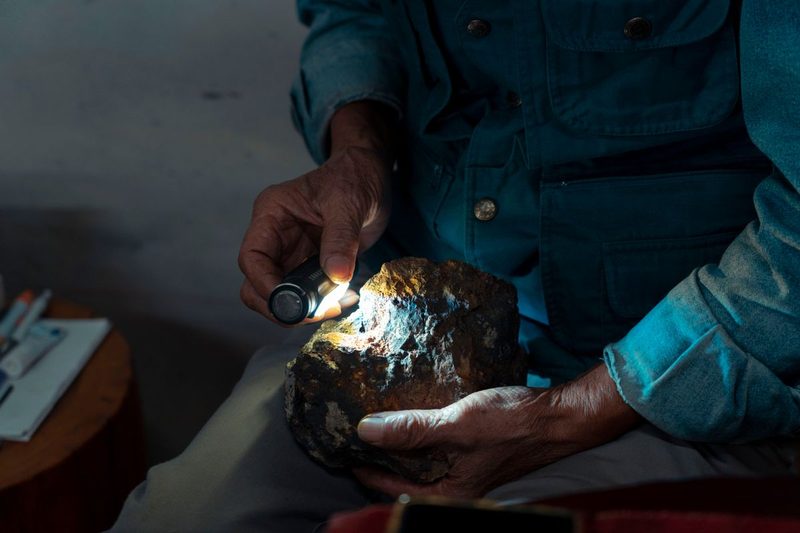
A pin or pinless moisture meter reads the damp content of timber and plaster. Dry roof timber reads around 12-15%; anything above 20% is wet enough to rot given time. Most roofers carry one and use it at no extra charge to map how far the water has spread.

Thermal Imaging
A thermal camera picks up the cooling effect of evaporating water, showing wet areas as darker patches across a ceiling or flat roof. It works best on a cold, dry evening after rain, when the temperature difference is at least 10°C. A standalone thermal survey costs roughly £200-£450 in Taunton. It's good at showing the size of a wet area; it's less reliable at pinpointing the exact entry point on a pitched roof.
Electronic Leak Detection on Flat Roofs
Flat roofs are harder. Water can travel several metres under a membrane before it finds a joint in the deck, so the wet patch on your kitchen ceiling says very little about where the hole is.

Low-voltage testing wets the surface and uses a pulse generator to follow the current to the breach; high-voltage spark testing is used on a dry surface and finds pinholes in EPDM and some single-ply membranes. Neither works reliably on standard mineral felt, so ask before you pay. Expect £350-£900 for a typical Taunton extension or garage roof. If the membrane is past 20-25 years old, spending that on detection may be poor value compared with replacement, and a member of the National Federation of Roofing Contractors should tell you so honestly.
What Leak Detection Costs in Taunton in 2026
Guide prices, including VAT, for a typical semi or terrace:

- Loft inspection: often free with a quote, or £60-£120
- Hose/water test (pitched roof): £150-£350
- Moisture meter mapping: usually included; £80-£150 as a standalone report
- Thermal imaging survey: £200-£450
- Drone roof survey: £150-£300
- Electronic flat-roof leak detection: £350-£900
- Scaffold tower if needed: £150-£300 on top
Taunton roofers are busiest from October to February, and non-urgent waits can stretch to two or three weeks after a stormy spell, so book a slow stain in early autumn.
Common Questions About Roof Leak Detection in Taunton
How do I know if a ceiling stain is a roof leak or condensation?

A roof leak worsens after rain, especially windy rain, and shows as one patch. Condensation spreads wider and is worst on cold, still mornings.
How much does it cost to find a roof leak in Taunton?
A loft inspection is often free with a quote. A hose test runs about £150-£350, a thermal survey £200-£450, and electronic leak detection on a flat roof £350-£900.
Why does my roof only leak in heavy wind?
Wind-driven rain is pushed uphill under tile laps and behind flashings. Taunton's prevailing south-westerlies make this common on south- and west-facing slopes, chimneys and gables.
Can a flat roof leak be found without stripping it?
Usually, yes. Electronic leak detection can find breaches in most membranes without removing anything, though it doesn't work well on standard mineral felt.
Will my home insurance pay for leak detection?
Many policies include trace and access cover for escape of water from pipes, but most don't pay to find a leak caused by wear and tear on a roof. Check your policy wording before booking.
Ready to work with Roof Repairs Taunton?
Let's connect! We’re here to help.
Send us a message and we’ll be in touch.
Or give us a call today at 01823 746216
Agency Contact Form
More Marketing Tips, Tricks & Tools