Matching Roof Tiles in Taunton: Reclaimed Double Romans, Discontinued Concrete Tiles and 2026 Costs
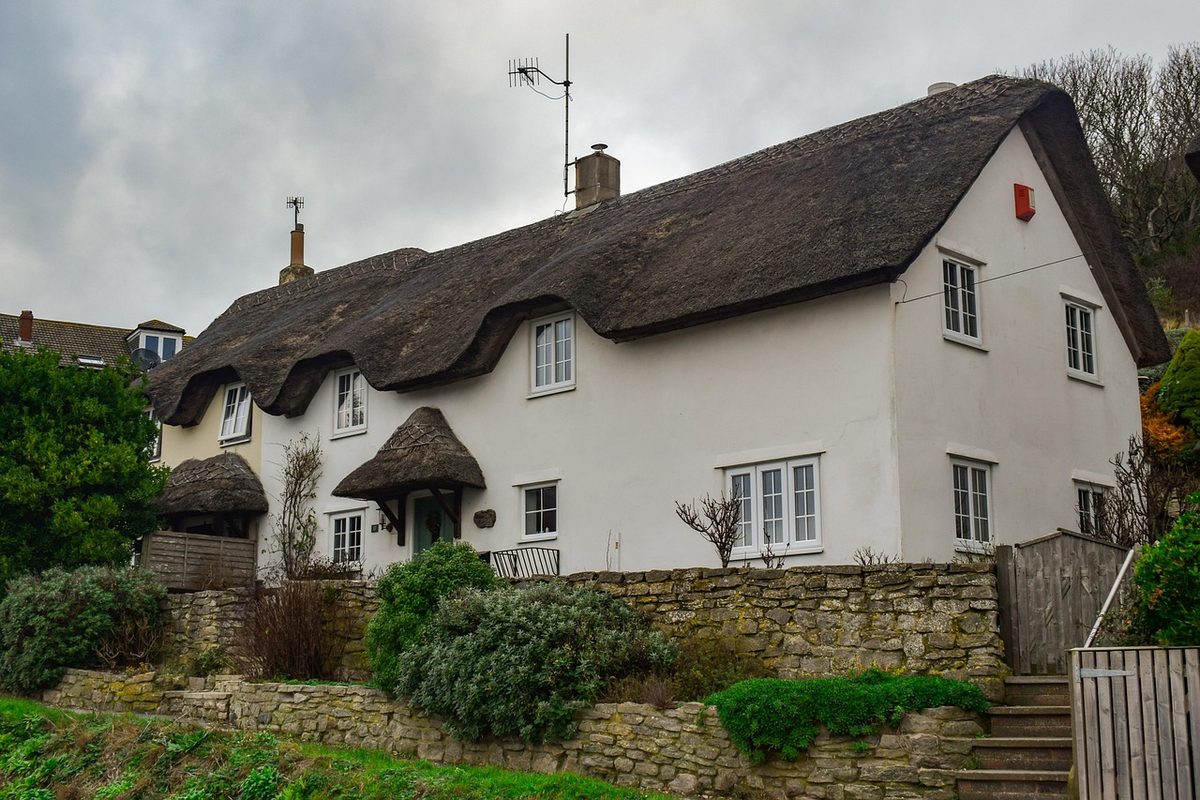
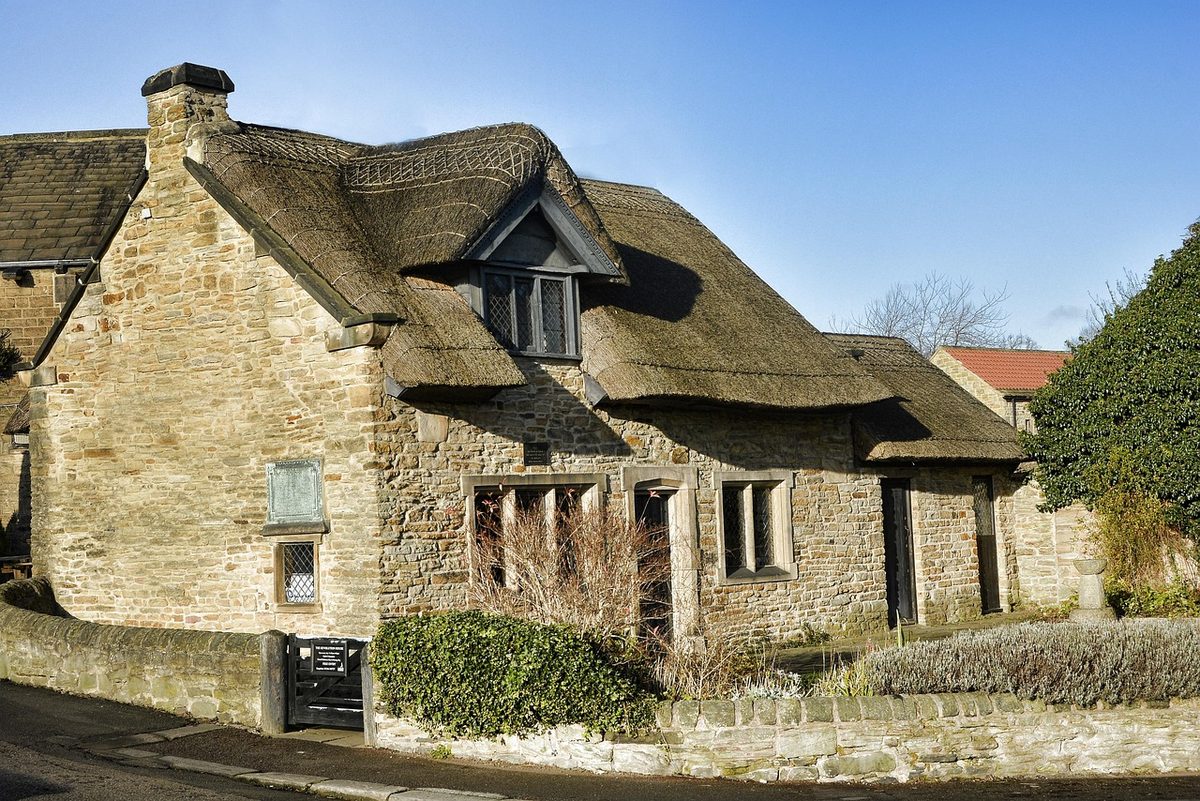
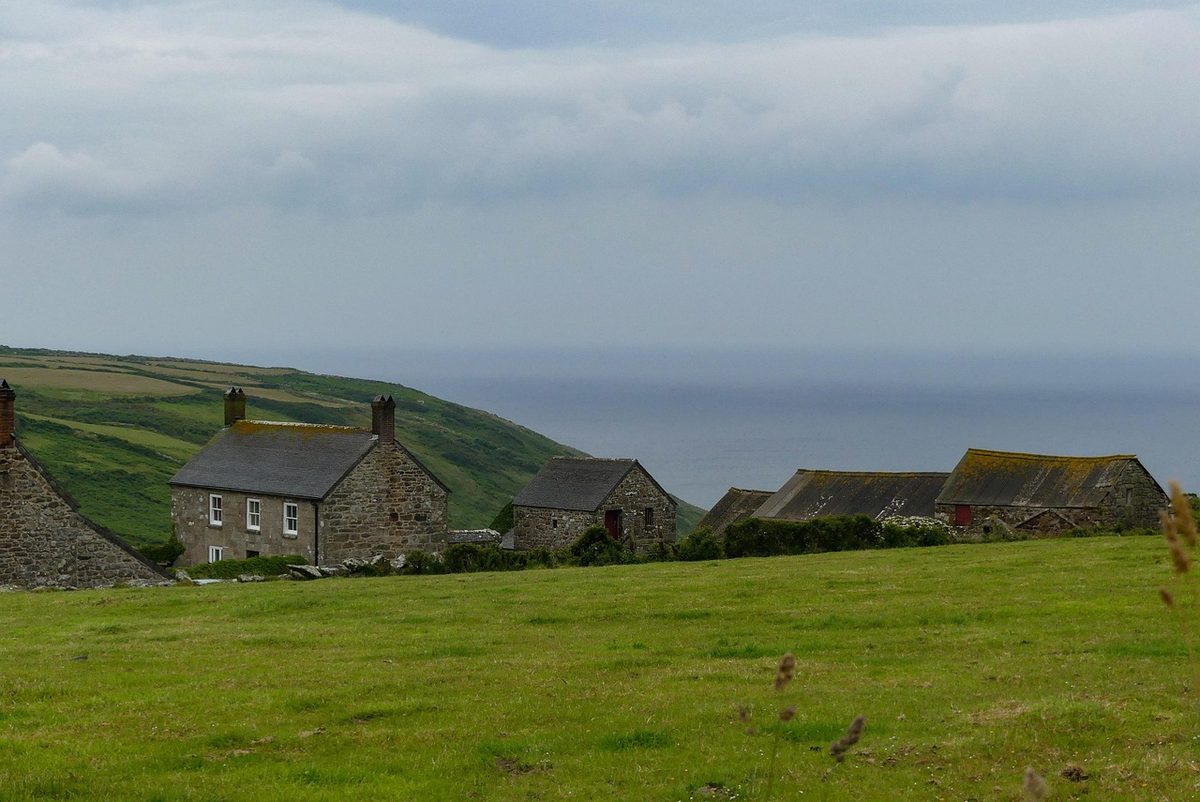
Finding replacement tiles that match an existing roof is one of the most common headaches we deal with in Taunton, and it catches people out because the repair itself is often tiny. A storm takes 12 tiles off a rear slope, the roofer can fix it in a morning, and then the job stalls for three weeks because nobody makes that tile any more. Somerset has an unusually mixed roofscape. Older cottages and farmhouses around Taunton Deane still carry clay Double Roman tiles, many of them made in Bridgwater, 11 miles up the road, when it was one of the biggest clay tile centres in England. Victorian streets wear Welsh slate. And the post-war estates that make up most of Taunton's housing are covered in concrete interlocking tiles from at least a dozen different profiles, some of which went out of production decades ago. Add a damp, mild climate with around 800mm of rain a year, which grows moss and lichen on everything, and even a perfect profile match can look wrong for years. Here's how matching roof tiles in Taunton actually works, and what it costs in 2026.
Why Matching Roof Tiles Is Harder Than It Sounds in Taunton
There are three separate things to match, and most people only think about the first one. The profile is the shape of the tile and how it interlocks with its neighbours. The size and fixing pattern decide whether a new tile will physically fit in the gap. And the colour and weathering decide whether it looks right from the street.
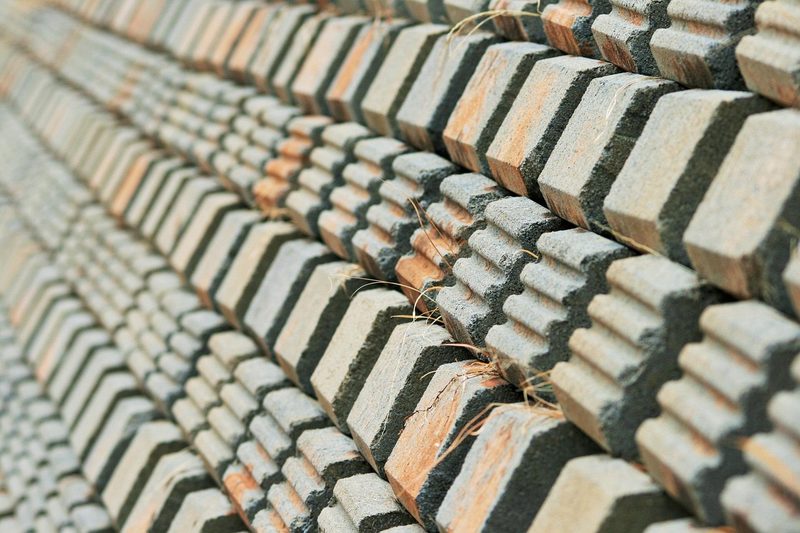
Get the profile wrong and the tile won't lock in, which means rain gets in sideways. Get the size wrong by even 10mm and the tile either won't sit on the battens or leaves a gap at the head lap. Get the colour wrong and the roof is watertight but looks patched, which matters a lot more on a front slope than on a hidden rear one.
If you're stuck trying to identify a tile, Roof Repairs Taunton can come out, take one off, measure it and tell you what your realistic options are before you go hunting.
Identify What's on Your Roof First
Before anyone can find a match, they need to know exactly what you've got. Roofers do this by lifting a tile and checking the back, where most concrete tiles carry a manufacturer's name, a model and sometimes a date. Clay tiles are harder, as older handmade ones rarely carry any marks.
Clay Double Romans and Bridgwater tiles
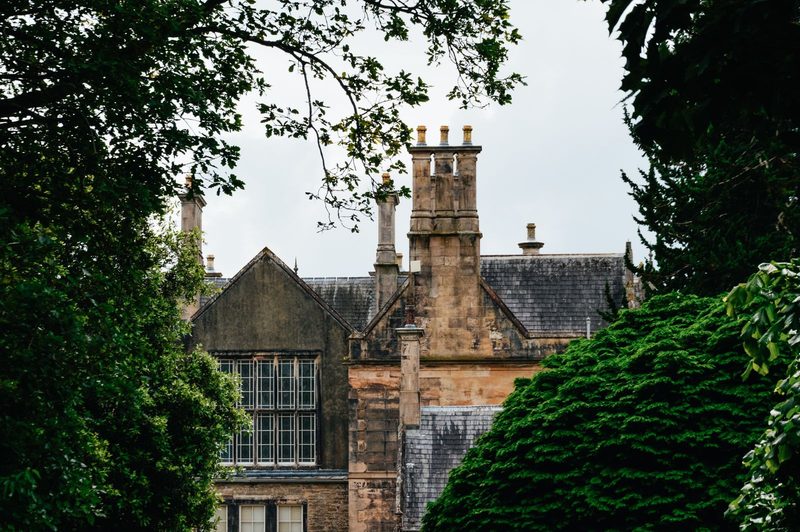
A Double Roman has two rolls and a wide pan between them, and it's the classic Somerset tile on cottages, farm buildings and older houses around Taunton, Bishops Lydeard and the Vale. Original Bridgwater-made tiles are often stamped with the maker's name on the back, which helps. Modern Double Romans are still made in clay and concrete, but sizes and curves vary between makers, and a new tile beside a 100-year-old one can look noticeably sharper and brighter. We've compared clay, concrete and slate in more depth in our guide to choosing roof tiles in Taunton, from Double Roman clay to natural slate, which is useful if you're weighing up a bigger change.
Concrete interlocking tiles
These cover most homes built in Taunton from the 1950s onwards. The big makers have produced dozens of profiles over the years, flat ones, single rolls, double rolls and imitation pantiles, in a range of colours that fade very differently. A profile from 1975 that is still in production today may have changed slightly in size or nib position, so even a current tile with the same name isn't always a direct swap.
Natural slate
Slate is the easiest to match, because the stone hasn't changed. The issue is size and source. Victorian Taunton terraces mostly used Welsh slate, which is still quarried but costs roughly twice as much as Spanish slate, and the two look different side by side.
Reclaimed Tiles and Somerset's Bridgwater Legacy
Bridgwater was a major centre for clay tile and brick making through the 19th and early 20th centuries, shipping tiles across the south-west and well beyond. The big works had all closed by the early 1970s, but millions of their tiles are still on Somerset roofs, and the Somerset Brick and Tile Museum, housed in a surviving kiln in Bridgwater, is worth a visit if you want to see how they were made.
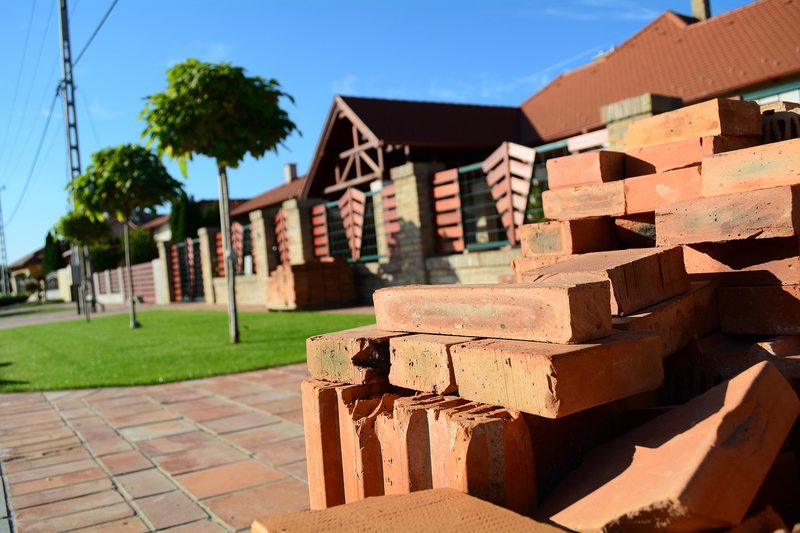
For matching, that history is useful. When barns, outbuildings and houses are demolished or re-roofed, reclamation yards around Somerset buy up the tiles. A good reclaimed Double Roman with a century of weathering often blends in far better than anything new. Expect to pay £1.50-£4 per tile for reclaimed clay, depending on condition and how rare the type is, and check each one for cracks, flaking and missing nibs. Usually 10-20% of a batch is unusable.
One warning. Some reclaimed stock has been stripped from roofs that failed for a reason, and frost-damaged clay tiles can look sound until their first hard winter on your roof. Buy from a yard that will let you reject the bad ones.
When Your Tile Is Discontinued: Options That Actually Work
If your exact tile can't be found new or reclaimed, there are still ways round it.
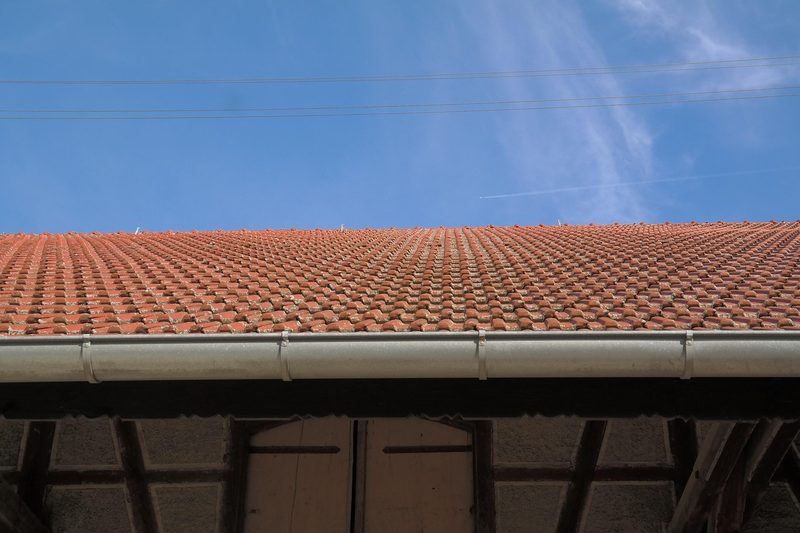
The most common trick is to borrow from the back. A roofer strips tiles from a hidden rear slope, garage or porch, uses them to repair the front where they'll be seen, and re-covers the hidden area with a modern tile that's close in profile. The front looks untouched. The back has two slightly different tiles, which nobody notices from the garden.
Another option is a modern profile that is designed to interlock with older ones. Some manufacturers make tiles that are compatible with discontinued ranges, or specify which current tile can be used beside an old one. A roofer should always dry-fit a sample on the roof before ordering a full quantity. Ordering 200 tiles that don't quite lock in is an expensive mistake.
Where neither works, the honest answer is a part re-roof. Re-covering a whole slope in a new tile is often cheaper over 10 years than chasing scarce reclaimed stock every time something cracks.
Colour, Weathering and the Patchwork Problem
Taunton's weather does a lot to a roof's colour. Mild winters, long damp spells and the Somerset Levels on the doorstep mean moss, lichen and algae grow fast, especially on north-facing slopes. A clean new tile in the middle of a 40-year-old roof stands out bright red or orange, and it can take 5-10 years for it to tone down.
There are a few ways to shorten that. Reclaimed tiles are already weathered. Some concrete tiles come in pre-aged or blended colours. And mixing new tiles randomly across a wider area, instead of in one tight patch, makes the difference far less obvious from the street. What doesn't work well is painting or staining tiles, which tends to peel within a few years in this climate.
Be wary of anyone who suggests coating the whole roof to hide a mismatch. Roof coatings can trap moisture under tiles and make future repairs harder, which is a poor trade for a cosmetic fix.
Matching Roof Tiles in Taunton Conservation Areas and Listed Homes
Taunton and the villages around it have a number of conservation areas, and in those streets the look of the roof matters to the council as well as to you. Like-for-like repairs don't usually need permission, but swapping clay for concrete on a front slope can, especially where an Article 4 direction removes permitted development rights. Somerset Council's conservation area guidance is the place to check before ordering anything different.
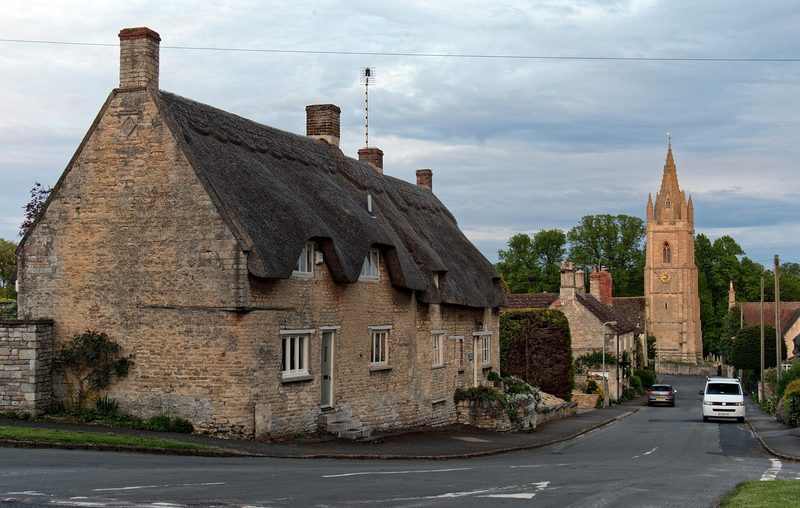
On a listed building the rules are stricter. Replacing like-for-like with matching clay Double Romans or slate is normally fine, but changing the material, the profile or even the colour noticeably can need listed building consent. Doing it without consent is a criminal offence, and the council can make you put it back. For listed roofs, reclaimed tiles of the same type are usually the only sensible route.
Matching Roof Tiles in Taunton: 2026 Costs
Typical prices around Taunton, including VAT:

- New concrete interlocking tiles: £1.50-£3.50 per tile
- New clay Double Romans: £3-£6 per tile
- Reclaimed clay Double Romans: £1.50-£4 per tile
- Reclaimed Welsh slate: £2-£5 per slate
- Small repair, replacing up to 10-20 tiles from a ladder: £150-£400
- Borrowing tiles from a rear slope and re-covering it in a new tile: £1,500-£3,500
- Re-covering one slope of a semi-detached house with a new tile: £3,500-£6,500 plus scaffold
Scaffold, if it's needed, adds £600-£1,500 on a typical two-storey house. Taunton prices run close to the national average, though skilled roofers in Somerset are booked 3-6 weeks ahead through autumn and winter. Sourcing reclaimed tiles adds time too, typically one to three weeks, so get the tile identified early.
Patch, Part Re-Roof or Full Re-Roof?
The decision usually comes down to how many tiles are going and how old the roof is. If it's a handful of tiles on a roof under 40 years old, match what you can and patch. If you're replacing tiles every winter on a concrete roof over 50 years old, the tiles themselves are probably near the end of their life, and a new roof is likely to be cheaper than years of hunting.
Insurers are another factor after storm damage. Most home insurance policies pay to replace the damaged tiles, and some will contribute more if a reasonable match genuinely can't be found, but few will pay for a whole new roof just because the colour is off. Ask your insurer what their policy says about matching before agreeing a settlement.
For a firm that can source and fit the right tile properly, the National Federation of Roofing Contractors lists vetted members across Somerset.
Frequently Asked Questions About Matching Roof Tiles in Taunton
How do I find out what roof tiles I have?
A roofer can lift a tile and check the back, where most concrete tiles carry the maker's name and model. Clay tiles often have no markings, so they're identified by profile, size and thickness, sometimes by taking a sample to a supplier or reclamation yard.
What if my roof tiles are discontinued?
Common solutions are using a compatible modern profile, buying reclaimed tiles, or taking good tiles from a hidden rear slope to repair the front and re-covering the back with a new tile.
How long does it take for new roof tiles to weather in?
In Taunton's damp climate, new tiles usually start to tone down within 2-3 years and blend in properly after 5-10 years. North-facing slopes weather faster because moss and lichen grow more quickly there.
Can I use concrete tiles on a clay tiled roof?
Technically, sometimes, but it rarely looks right and the profiles often don't interlock properly. In a conservation area or on a listed building, changing material may also need permission.
Ready to work with Roof Repairs Taunton?
Let's connect! We’re here to help.
Send us a message and we’ll be in touch.
Or give us a call today at 01823 746216
Agency Contact Form
More Marketing Tips, Tricks & Tools