Dry Verge and Dry Ridge Systems in Taunton: Costs and Why They Beat Mortar
If you own a house in Taunton, there's a good chance the weakest part of your roof is the mortar - the grey pointing bedding your ridge tiles and running down the gable edges. In our wet Somerset climate, with well over 800mm of rain a year rolling in off the Blackdowns and Quantocks, that mortar cracks, crumbles, and lets go far sooner than most homeowners expect. Traditional mortar bedding typically needs re-pointing every 10-15 years here, and after a wet winter or two it can fail even faster. Dry verge and dry ledge systems - mechanical, clip-and-screw fixings that replace the mortar entirely - are now fitted on a big share of new and re-roofed properties, and manufacturers rate them for 20 years or more. On a standard Taunton semi the upgrade usually runs £450-£1,200. Here's how they work, what they cost, and why they beat mortar in a climate like ours.
What Dry Verge and Dry Ridge Systems Actually Are
Both systems do the same job as mortar - holding tiles down at the exposed edges of the roof - but they use mechanical fixings instead of a wet mix. If you want a professional opinion on whether your roof is a good candidate, Roof Repairs Taunton can take a look and tell you straight whether an upgrade is worth it or whether re-pointing will do.
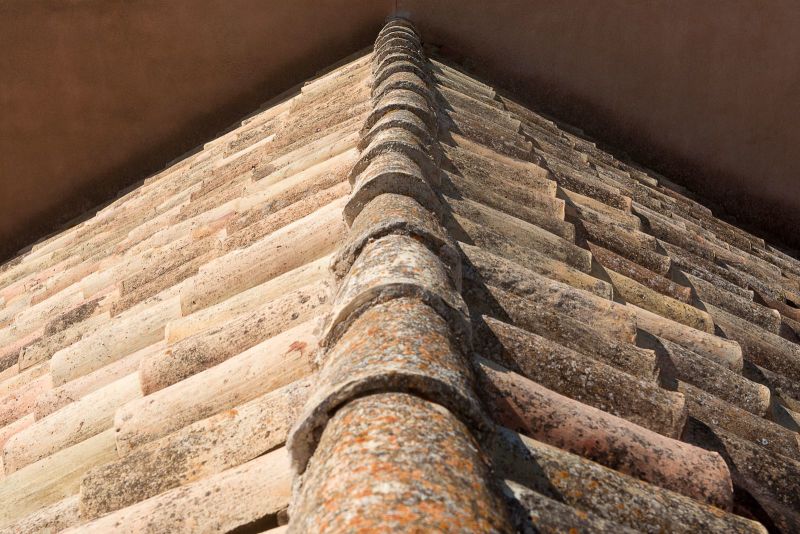
Dry verge covers the sloping gable edge of the roof - the run of tiles that steps down the side of the house. Instead of mortar filling the gap, interlocking caps clip over each tile and screw or nail down to the timber batten beneath. Dry ridge covers the horizontal apex where the two slopes meet. A ventilated roll runs the length of the ridge, and each ridge tile is mechanically clamped down with a screw and bracket rather than sat in mortar. Around 90% of new-build roofs in the UK now use dry-fix ridge and verge as standard, largely because the building regulations pushed hard for roof ventilation and dry systems build that in.
Why Mortar Fails So Fast in Taunton
Mortar is a rigid material stuck onto a roof that never stops moving, and that mismatch is the root of the problem. Every day the roof expands in the sun and contracts at night, and over a year that thermal movement works tiny cracks into the pointing.
In Taunton the weather makes it worse on two fronts. First, the sheer volume of rain - the South West is one of the wettest regions in England, and Taunton sees rain on roughly 130-150 days a year. Water sits in those hairline cracks, and when a cold snap freezes it, the ice expands and levers the crack wider. A few freeze-thaw cycles across a mild but wet Somerset winter can turn a hairline crack into a loose ridge tile. Second, the wind. Gable verges take the full force of gusts coming across open ground off the hills, and once mortar has cracked, wind uplift starts lifting the tiles it was meant to hold. This is why you often see the first slipped tiles on the verge or ridge rather than in the middle of a slope.
How Dry Systems Solve the Problem
The whole point of a dry-fix system is that nothing relies on a rigid bond that can crack. Each tile is held by a screw or clip that flexes slightly with the roof's movement instead of fighting it.
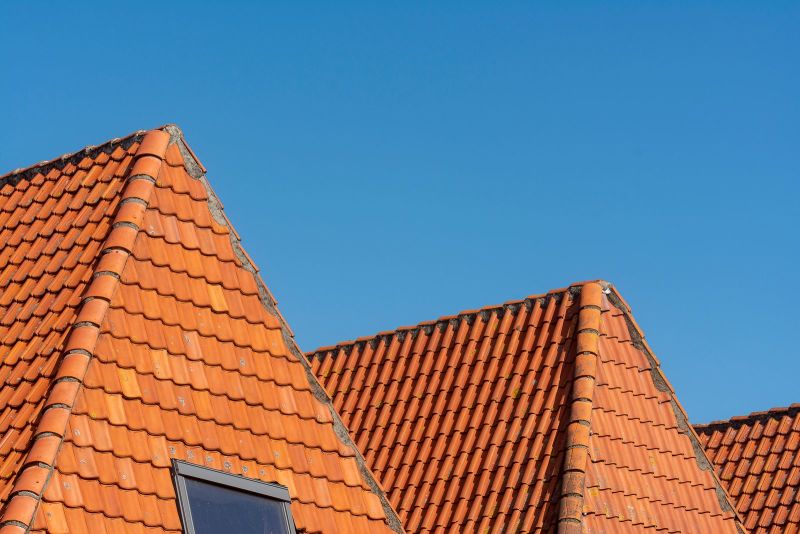
That mechanical hold is far stronger against wind uplift than aged mortar. Where cracked pointing might let a verge tile lift in a 50mph gust, a screwed-down dry verge cap stays put well beyond typical UK design wind speeds. There's a maintenance saving too: because there's no mortar to re-point, a properly fitted dry system is close to maintenance-free for its rated life, versus the re-pointing bill mortar demands every decade or so. The dry ridge roll also ventilates the roof space along the whole apex, which helps carry moisture out of the loft - a genuine benefit in damp Somerset winters where condensation and loft damp are common complaints. The National Federation of Roofing Contractors' technical guidance on dry-fix systems sets out how these should be installed to hold up in exposed conditions.
What Dry Verge and Dry Ridge Cost in Taunton
Prices vary with the size of the roof, access, and whether you're doing verge, ridge, or both, but these are realistic 2026 ranges for the Taunton area:
Dry verge to one gable (typical semi): £250-£500.
Dry verge to both gables (detached): £450-£900.
Dry ridge to a standard semi ridge line: £400-£800.
Dry ridge and verge combined, standard semi: £650-£1,400.
Larger detached or complex roof, full dry-fix upgrade: £1,200-£2,500+.
Scaffold or tower access where ladders won't reach: add £400-£800.
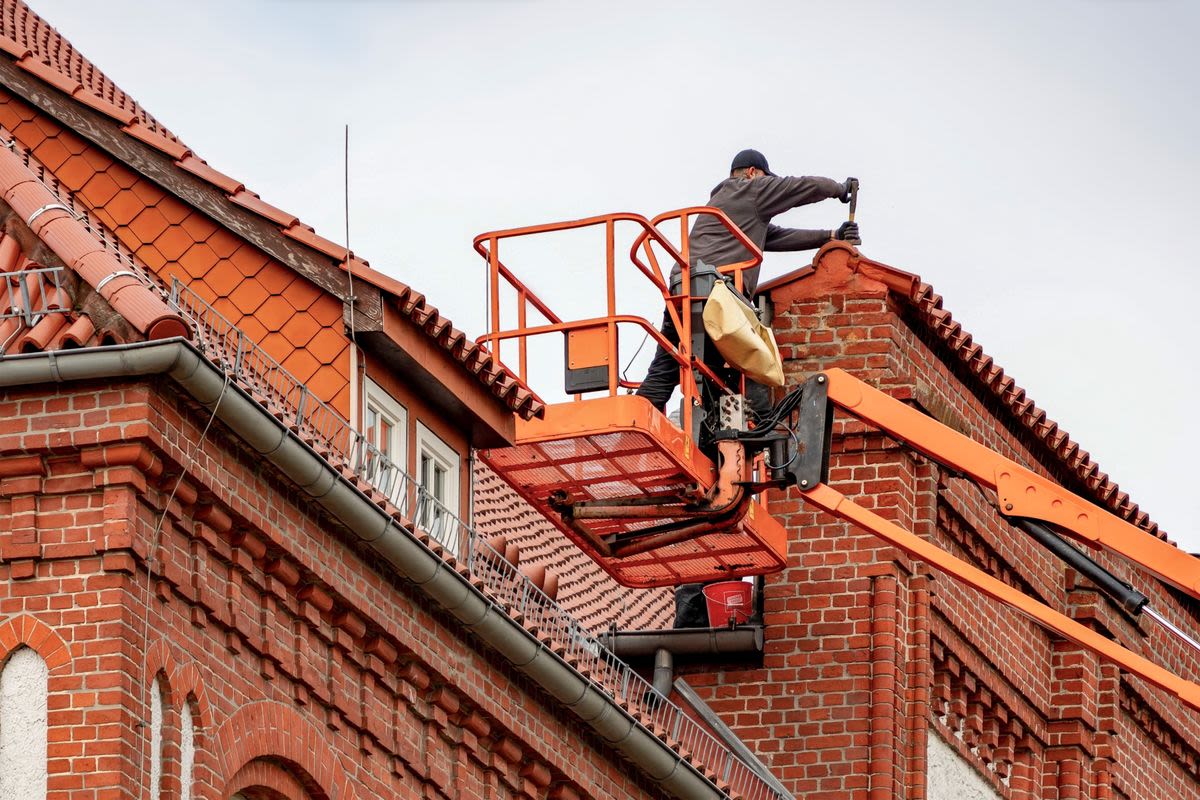
Access is often the biggest single cost, especially on Taunton's three-storey Victorian terraces where a proper scaffold is the only safe way to work the ridge. The good news is that a dry-fix upgrade is frequently done at the same time as another job - a re-roof, storm repair, or ridge tile replacement - which spreads the scaffold cost. If you're already dealing with tiles coming loose, our guide to slipped and loose roof tiles in Taunton covers when a patch repair is enough and when it's worth upgrading the whole edge.
Is It Worth Upgrading, or Should You Just Re-Point?
Not every roof needs a full dry-fix conversion, and it's fair to weigh the upgrade against a simpler re-point. The honest answer depends on your roof's age and how many times you've paid for pointing already.
If your mortar has failed once and the roof is otherwise sound and fairly young, a good re-point at £300-£600 might see you right for another decade. But if you're on your second or third re-point, or the ridge and verge tiles themselves are aged and the nails corroded, throwing more mortar at it is money down the drain. Over a 30-year period, repeated re-pointing usually costs more than a single dry-fix upgrade would have - and you've had the disruption and scaffold hire several times over instead of once. On the town's older housing stock especially, converting to dry-fix during the next necessary roof job is the sensible long game. If you're planning to sell, it's also a tidy line for the survey: a dry-ridge roof reads as low-maintenance to a buyer's surveyor.
Getting It Fitted Right in Somerset
A dry-fix system is only as good as its installation, and this is not a job for a doorknocker with a bag of screws. Done properly it lasts 20 years plus; done badly it whistles in the wind and lets water track behind the caps.
Get a written quote that names the actual system being fitted - the reputable brands are all engineered to specific fixing patterns, and a proper roofer will follow the manufacturer's spec for screw spacing and the ventilated roll. Check the firm is a member of the National Federation of Roofing Contractors or registered with the government-endorsed TrustMark scheme, both of which vet members and give you a route to redress if something goes wrong. Somerset has a reasonable supply of established roofers, so you don't have to grab the first quote - get at least two, and make sure both are pricing the same system and the same access. A dry-fix roof edge fitted right is one of the few roofing jobs you can genuinely forget about for two decades, which in our climate is worth paying properly for.
FAQ
Q: How much does a dry verge and dry ridge system cost in Taunton?
A: Dry verge to one gable typically runs £250-£500, both gables £450-£900, and a dry ridge to a standard semi £400-£800. A combined dry ridge and verge upgrade on a standard semi is usually £650-£1,400, with larger or complex roofs £1,200-£2,500+. Scaffold access, where needed, adds £400-£800.
Q: Why is dry verge and dry ridge better than mortar?
A: Mortar is rigid and cracks as the roof moves and weathers, needing re-pointing every 10-15 years - faster in wet Taunton winters. Dry-fix systems use mechanical screws and clips that flex with the roof, resist wind uplift far better, are rated for 20 years or more, and are close to maintenance-free. Dry ridge also ventilates the loft.
Q: How long does a dry-fix roof system last?
A: Manufacturers typically rate dry verge and dry ridge systems for 20 years or more, and a well-fitted system is close to maintenance-free over that life. Mortar bedding, by contrast, usually needs re-pointing every 10-15 years in a wet climate like Somerset's, so over 30 years dry-fix often works out cheaper.
Q: Should I re-point my mortar or upgrade to dry-fix?
A: If the mortar has only failed once and the roof is sound and young, a re-point at £300-£600 may be enough. But if you're on your second or third re-point, or the ridge and verge tiles are aged with corroded nails, upgrading to dry-fix during the next roof job usually costs less over time and ends the repeated disruption.
Ready to work with Roof Repairs Taunton?
Let's connect! We’re here to help.
Send us a message and we’ll be in touch.
Or give us a call today at 01823 746216
Agency Contact Form
More Marketing Tips, Tricks & Tools