Roof Repairs in Ilminster: Hamstone Town Roofs, Common Problems, and Costs
Ilminster is one of Somerset's prettiest small towns, and the golden hamstone that earned it that reputation is also what makes its roof repairs a bit different. The Minster church of St Mary has stood over the town for more than 500 years, cut from stone quarried at Ham Hill just six miles east, and a good share of the buildings around the Market Square are built of the same warm limestone. That stone is soft, which matters more than most owners realise once water starts running where it should not. Most roof repairs in Ilminster stay modest - £120-£300 for slipped tiles, £200-£500 for flashing - and around 60% of local jobs come in under £400. But hamstone chimneys and copings erode faster than harder stone, and a leak left through one of Somerset's 150-plus rain days a year can turn a £150 fix into a four-figure timber bill. This guide covers what Ilminster roofs need, what repairs cost, and how to choose a roofer.
What Ilminster's Valley Setting Does (and Does Not) Spare Your Roof
Ilminster sits low, tucked against the River Isle on the edge of south Somerset's vale, and that position is kinder to roofs than the high ground nearby. Drive ten minutes up the A358 to Chard and you gain around 80 metres of altitude and a great deal of wind; down in Ilminster the worst gusts arrive already blunted. Fewer tiles are ripped clean off here, and mortar ridges tend to see out 25 to 30 years rather than failing early. If you would rather have a professional eye on your roof than guess at its condition, Roof Repairs Taunton covers Ilminster and the villages around it, from Donyatt to Broadway.

What the valley does not spare you is water. The South West averages over 1,000mm of rain a year against a UK average of nearer 885mm, and a sheltered, damp bowl holds moisture in the air long after a storm has passed. Roofs here dry slowly, moss gets comfortable, and anything that traps water - a blocked valley, a sagging gutter, a cracked tile lying flat - stays wet for days. Wind damage is the headline problem on Somerset's exposed hills. In Ilminster, it is slow, patient damp that quietly does the most expensive work.
The Roof Problems We See Most Often in Ilminster
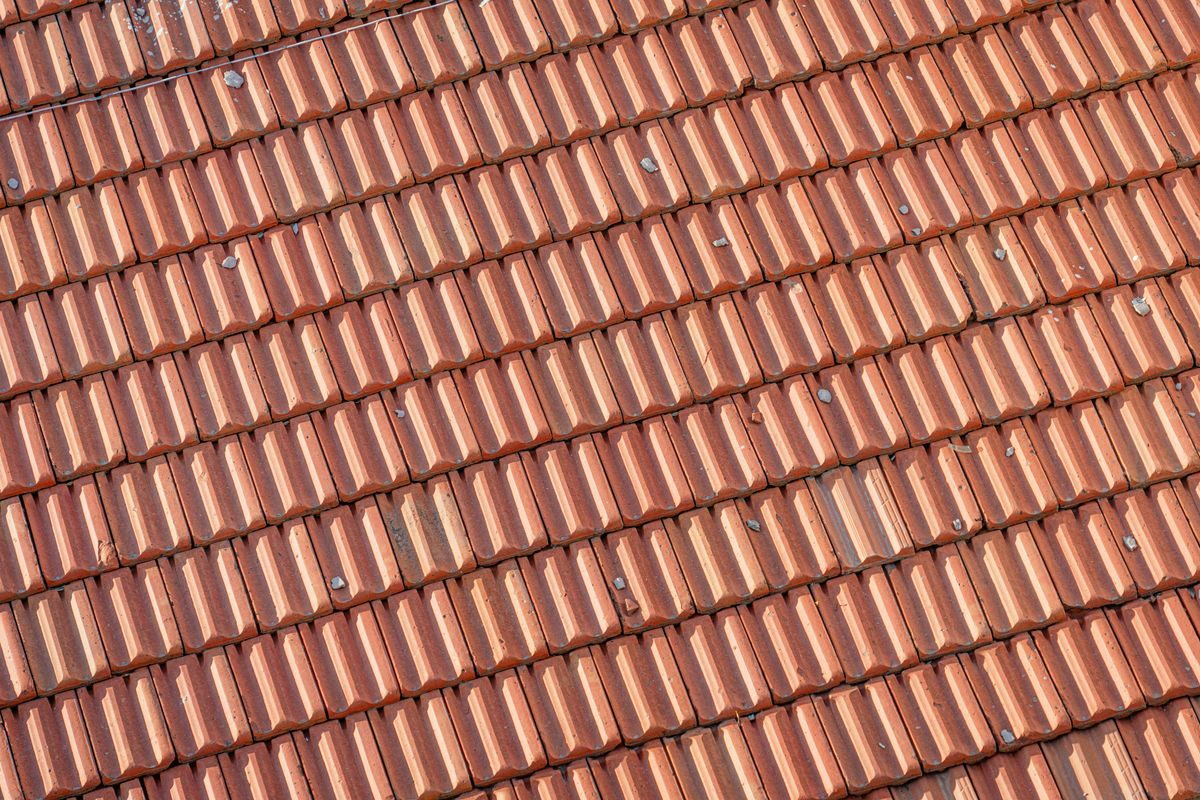
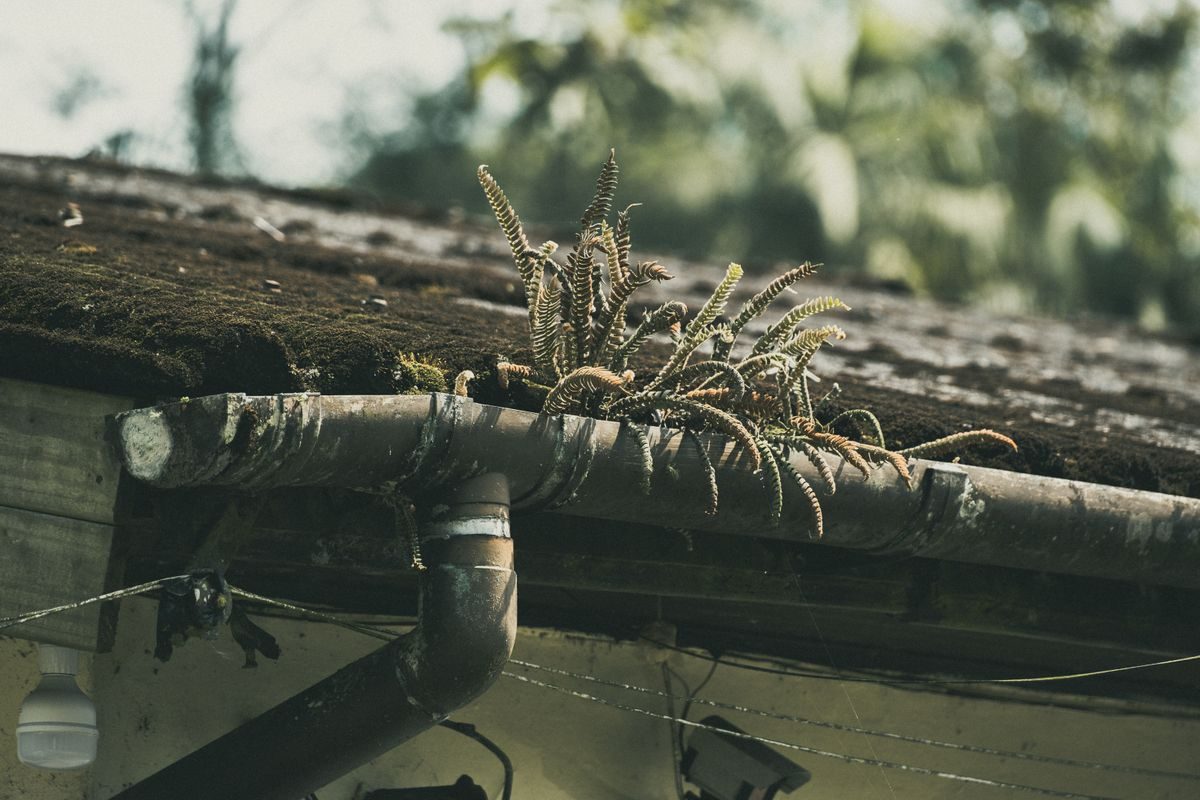
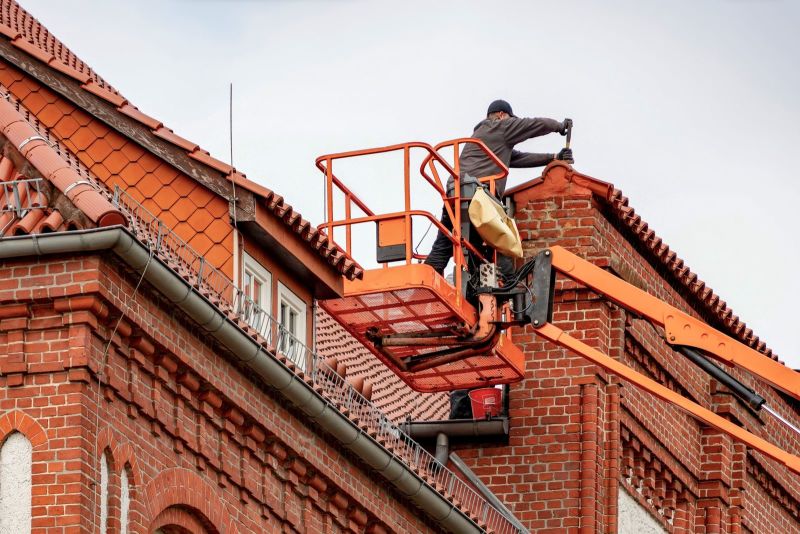
Ask any roofer working the town and the same faults come up again and again. Slipped and cracked clay tiles lead the list, mostly on older roofs where the original nails or pegs have rusted through - a roof laid in the 1930s has fixings closing in on a century old, and they fail one by one. Blocked gutters come a close second, fed by the mature trees around the town centre and Herne Hill; a gutter full of leaf mulch overflows down the wall, and on a hamstone building that soaking wall is a genuine problem rather than a cosmetic one. Failed flashing around chimneys makes up perhaps a fifth of local call-outs, and flat-roofed rear additions - kitchens and bathrooms bolted onto period cottages over the decades - add a steady trickle of split felt and ponding jobs.
Moss, Shade, and Slow-Drying Slopes
Ilminster's damp, sheltered air is ideal for moss, and north-facing pitches in the town can green over within two or three years of a clean. A thick moss mat holds water against the tiles, wicks it into the laps, and blocks the airflow a roof needs to dry. It also sheds constantly into the gutters, feeding the blockage problem above. A soft-brush clean and biocide treatment on a typical Ilminster semi runs £250-£550, and doing it before the moss lifts tile edges is far cheaper than re-fixing the tiles afterwards. Pressure washing is the wrong answer on old clay tiles - it strips the surface and shortens their life.
What Roof Repairs Cost in Ilminster
Prices in Ilminster sit close to the south Somerset average, helped by easy access - most of the town is level, and scaffolding a two-storey terrace here is simpler than working a hillside street. Replacing a handful of slipped or cracked tiles typically costs £120-£300 including the call-out. Renewing lead flashing around a chimney runs £200-£500, and a full re-flash of a large stack can reach £700. Re-bedding ridge tiles is £250-£700 depending on the length of the run. Gutter clearing and re-alignment is £100-£280, a felt flat-roof patch £180-£450, and a professional moss clean £250-£550.
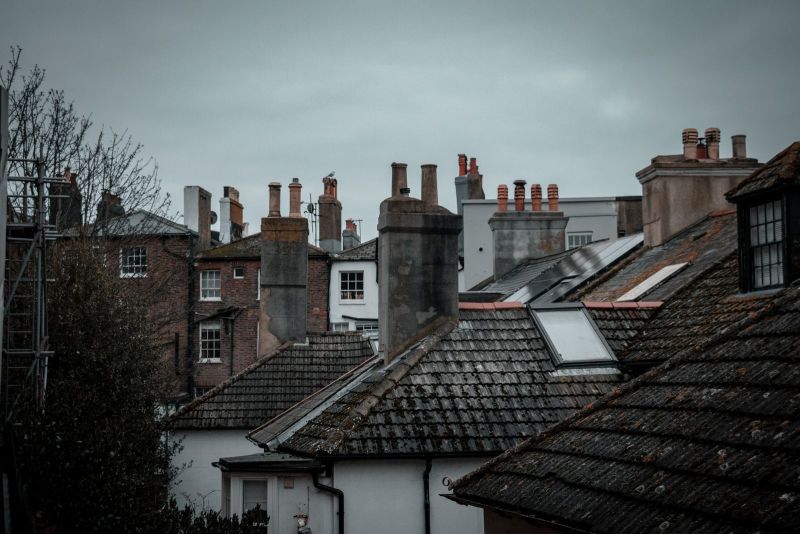
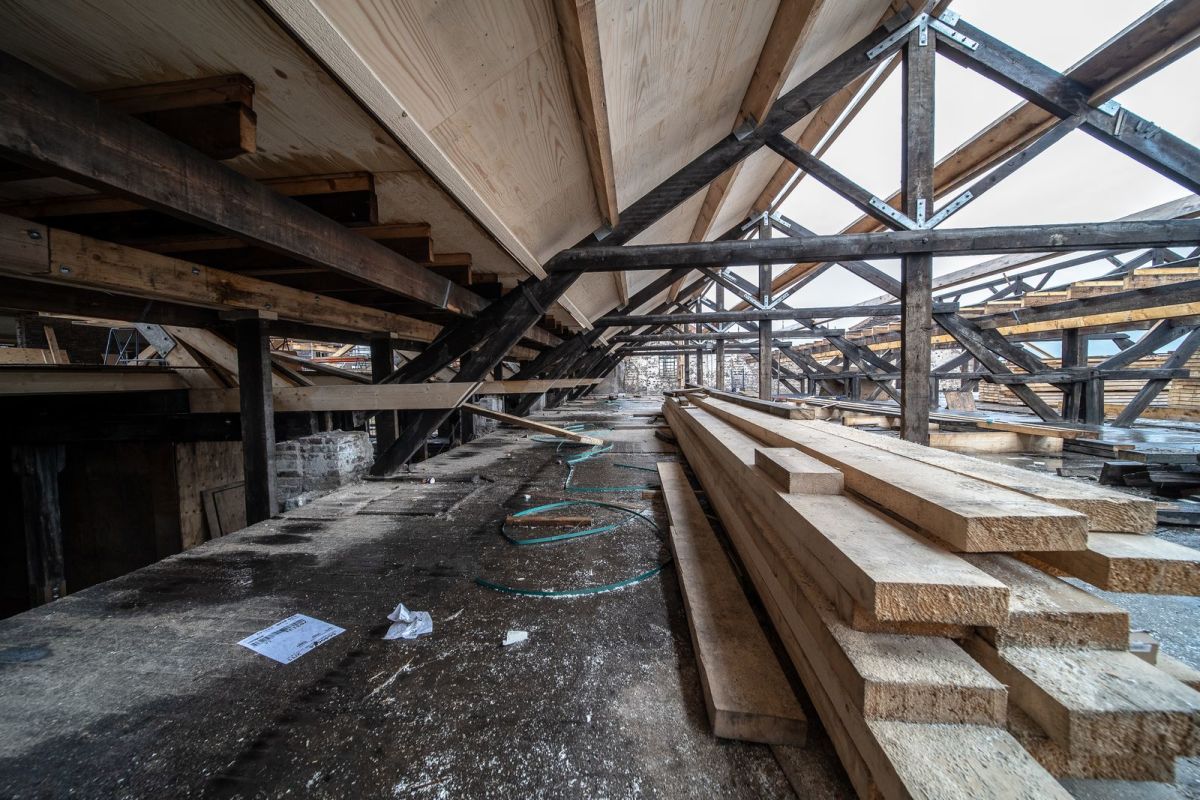
The number that changes everything is timber. Once a leak has soaked battens or rafter ends, you are into £300-£1,000 for a localised repair and more if the rot has spread - which in Ilminster's slow-drying climate it does sooner than owners expect. Hamstone masonry repairs sit outside normal roofing prices too: rebuilding an eroded stone chimney can run £1,500-£4,000 because the stone must be sourced and cut to match. A full re-roof on a typical three-bed here lands around £5,500-£11,000. The pattern across every figure is the same - the early, small repair is always the cheap one.
Hamstone Buildings, the Minster Quarter, and the Conservation Area
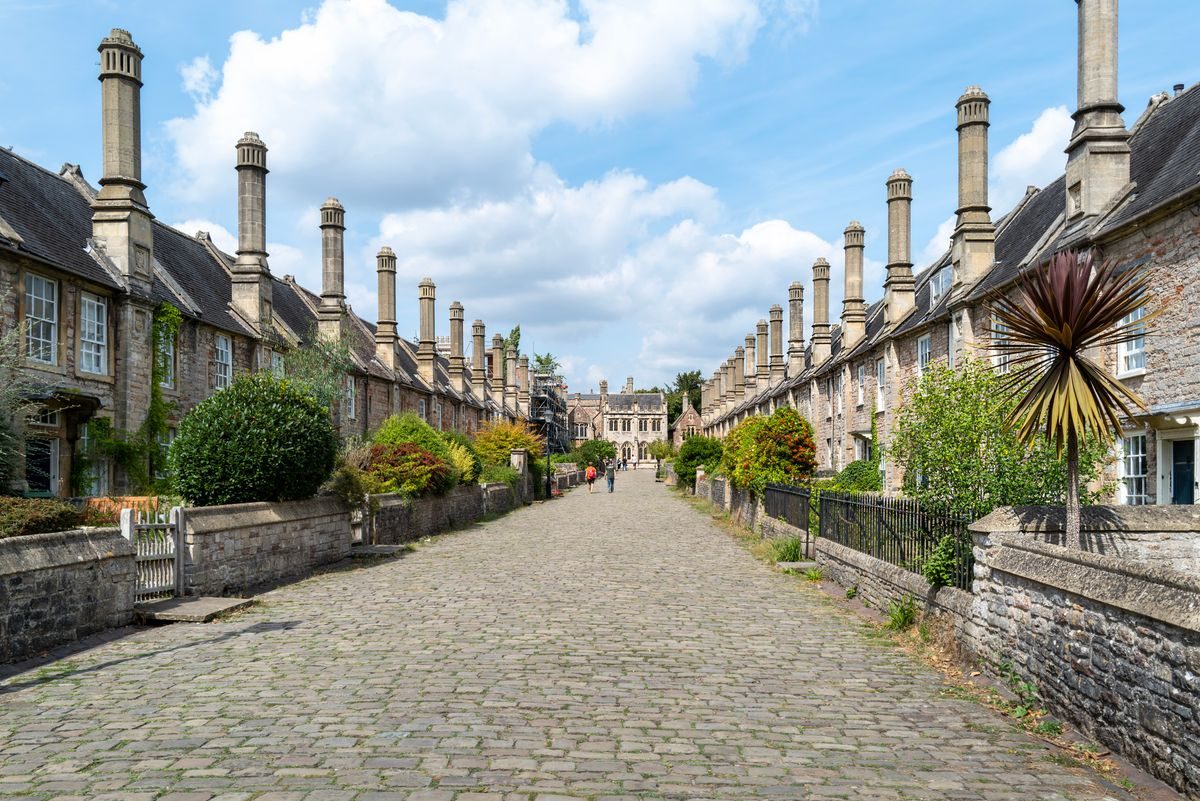
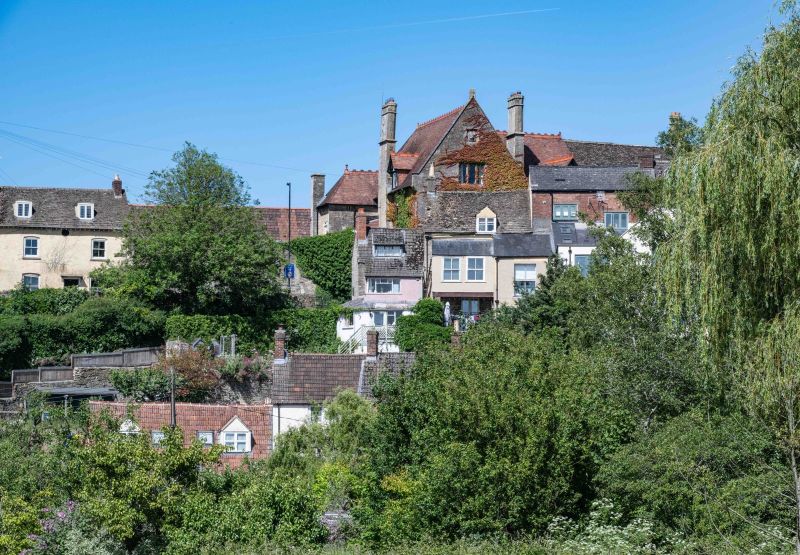
The centre of Ilminster - the Market Square with its colonnaded Market House, Silver Street, and the streets around the Minster - is a conservation area, and much of it is built of Ham Hill stone under clay tile or slate. These roofs are the town's signature and its biggest repair responsibility. Hamstone is a soft, shelly limestone that weathers beautifully but erodes readily, so the details where roof meets stone - chimney stacks, copings, kneelers on the gable ends - wear faster than the roof covering itself. Water from a failed gutter or flashing accelerates that erosion dramatically; stone that might have lasted another 50 years dry can lose its face in a decade of soaking.
Repairing Roofs on Period Stone Buildings
Work on these buildings needs a bit more thought than a standard repair. Like-for-like repairs generally need no permission, but in a conservation area a change of roof material or alterations to chimneys can - before swapping slate for concrete tile or taking down a stack, check the government's guidance on when planning permission is needed for work on your home. Materials matter too: modern hard cement mortar traps moisture against hamstone and makes erosion worse, so repointing and re-bedding around these roofs should use lime. We have covered the care that older Somerset stock needs in more depth in our guide to period roof repairs in Wiveliscombe and the West Somerset villages, and most of it applies street for street in Ilminster.
The Wool-Town Terraces and Later Stock
Ilminster grew on wool and later on lace and shirt-collar making, and the Victorian terraces that housed those workers ring the old centre. Most carry slate or double-Roman clay tiles on cut timber, and their common faults are nail-sickness, tired valleys, and worn chimney flaunching - typically £150-£600 to put right per fault. The 20th-century estates further out, and the newer development that has followed the town's growth since the A303 bypass opened in 1988, wear concrete interlocking tiles. Those roofs are tough, but the 1960s-80s generation is now hitting the age where brittle felt underlay and crumbling ridge mortar show up - budget £300-£700 when they do.
Chimneys: Where Hamstone Meets the Worst of the Weather
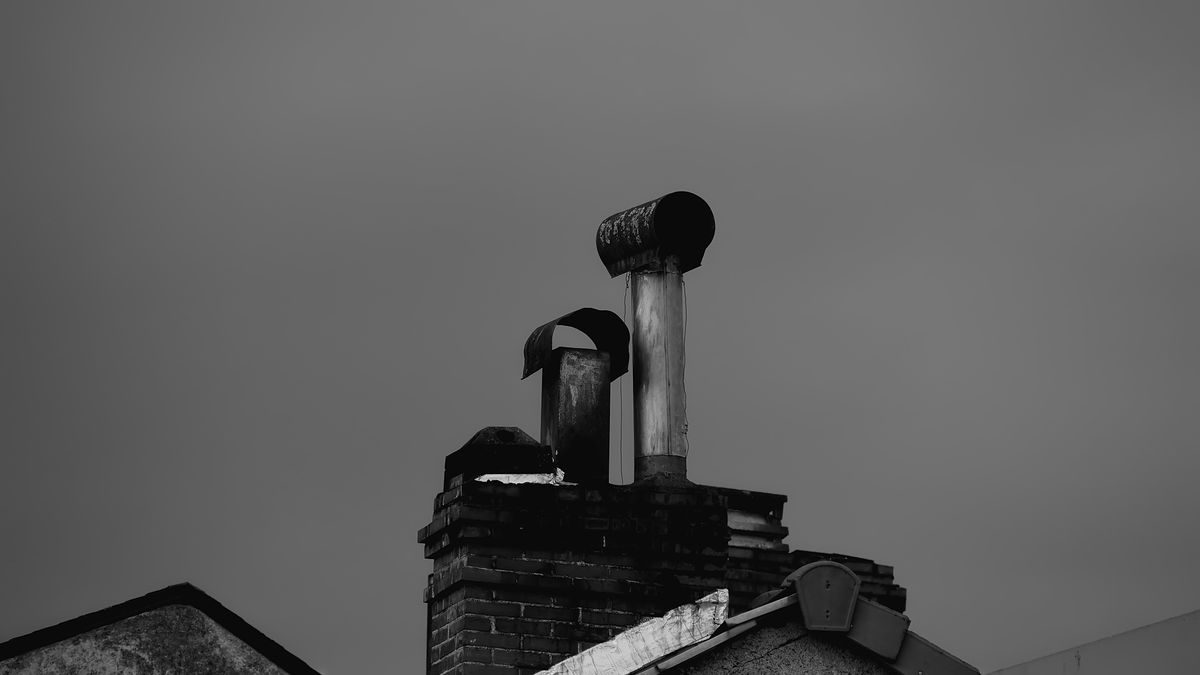
Chimneys deserve their own section in this town because they combine the most exposed position on the building with its softest material. A stack takes weather from all four sides, and on a hamstone chimney the mortar joints and the stone itself both give way over time - failed flaunching lets water into the flue, eroded joints let it into the stack, and a saturated chimney leaks into bedrooms in ways that mimic roof leaks and get misdiagnosed. Around a quarter of the "roof" leaks investigated on period Somerset properties turn out to start at the chimney.
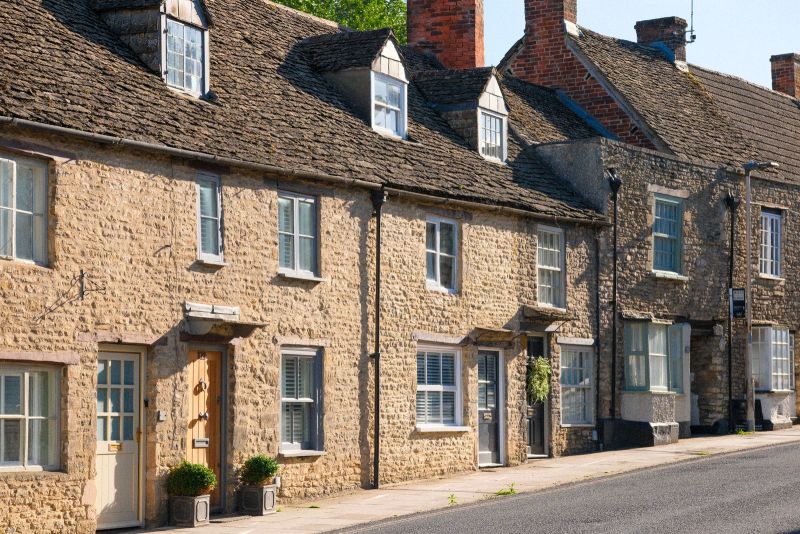
Repointing a stack in lime runs £400-£900 with access, re-flaunching £150-£350, and a new lead back gutter behind the stack £200-£450. Full rebuilds of eroded hamstone stacks are the big-ticket item at £1,500-£4,000, but they are rare when the smaller jobs are done on time. If a stack is redundant, capping and venting it for £150-£300 removes most of the risk in one visit.
Emergency Repairs Versus Planned Work in Ilminster
Ilminster generates fewer genuine roofing emergencies than the exposed towns nearby - fewer gale-stripped slopes, more slow leaks discovered as a ceiling stain. That is worth money to you, because planned work is cheaper work. An emergency make-safe - tarping a hole, dressing a temporary patch - runs £150-£350 and buys weeks, but it is a premium price for a temporary result. A leak caught at the stain stage can usually wait for a scheduled visit at normal rates, and a roofer already working in the town can often fold a small Ilminster job in with others nearby.

The one seasonal wrinkle is trade availability. South Somerset has no shortage of roofing firms on paper, but the good ones book out four to six weeks ahead from October to February, when demand roughly doubles. An autumn gutter clear and a look over the roof in September - £100-£280 - is the cheapest insurance the town's slow-damp climate will sell you.
How to Find a Roofer in Ilminster
Ilminster draws its trades from a wide patch - the town itself, Chard, Crewkerne, Taunton - so you will rarely struggle for quotes; the job is sorting the good from the chancers. Start with verifiable credentials: the NFRC's find-a-member directory of vetted roofing contractors lists firms covering south Somerset that have passed site and office inspections, and government-endorsed TrustMark registration is worth checking for any guaranteed or scheme-backed work. For period and conservation-area buildings, ask directly about lime mortar and matching stone or tile - a roofer who reaches for a cement bag around hamstone is the wrong roofer for this town.

Get two or three written quotes naming the materials, ask to see public liability insurance, and treat the doorstep caller who "spotted a problem while passing" with the suspicion that pitch has earned across rural Somerset. Photographs matter more than promises: a roofer who climbs up, photographs the fault, and talks you through it is showing you the job exists. In a town where the housing stock varies this much within a few hundred metres, local familiarity with both a 17th-century hamstone roof and a 1970s concrete-tiled semi is exactly what you are paying for.
FAQ
Q: How much do roof repairs cost in Ilminster?
A: Most jobs run £120-£750. Slipped or cracked tiles cost £120-£300, chimney flashing £200-£500, ridge re-bedding £250-£700, gutter work £100-£280, and flat-roof patches £180-£450. Timber repairs after a long leak run £300-£1,000 or more, and rebuilding an eroded hamstone chimney can reach £1,500-£4,000, which is why small repairs done early are the best value in town.
Q: Do I need permission for roof work in Ilminster's conservation area?
A: Like-for-like repairs generally need no permission, even in the conservation area around the Market Square and the Minster. Changing the roof material, altering the roofline, or removing a chimney is a different matter and may need consent, so check the government's planning guidance or ask the council before committing. A roofer experienced with period Somerset stock will flag this at the quote stage.
Q: Why do hamstone buildings need extra care with roof repairs?
A: Ham Hill stone is a soft limestone that erodes quickly once water runs over it, so a failed gutter or flashing damages the stone as well as the roof. Repairs around hamstone should use lime mortar rather than hard cement, which traps moisture and accelerates decay. Catching water faults early protects masonry that costs far more to rebuild than the roof repair that would have prevented it.
Q: Is Ilminster's weather easier on roofs than the rest of Somerset?
A: Easier on wind, harder on damp. The town's low, sheltered position beside the River Isle means fewer storm-stripped tiles than high spots like Chard, but the South West's 1,000mm-plus of annual rain lingers in the valley and roofs dry slowly. That favours moss, keeps small leaks wet for days, and makes slow rot the main enemy rather than gale damage.
Ready to work with Roof Repairs Taunton?
Let's connect! We’re here to help.
Send us a message and we’ll be in touch.
Or give us a call today at 01823 746216
Agency Contact Form
More Marketing Tips, Tricks & Tools