Roof Repairs in Wiveliscombe and West Somerset Villages: Period Roofs and Costs
Wiveliscombe - "Wivey" to anyone local - sits in a bowl below the Brendon Hills at the wet, western edge of the old Taunton Deane country, and the villages scattered around it are some of the most exposed and rain-soaked in Somerset. This is Exmoor's rain shadow in reverse: the high ground pulls the wet in off the Bristol Channel and drops it on the roofs below, and much of West Somerset comfortably clears 1,000mm a year, with the higher villages toward Clatworthy and the Quantock edge wetter still on 160-plus days of rain. The roofs here are older and more varied than the town estates - red sandstone, natural slate, cob walls, and thatch - and they reward careful repair rather than a quick modern patch. Most jobs stay modest, £150-£800, but a neglected leak into old timber or a lime-bound wall runs far higher. This guide covers the faults these period roofs throw up, what the work costs, and how to find a roofer who understands them.
Why West Somerset's Villages Are Hard on Roofs
The weather is the first half of the problem. Wiveliscombe and the villages around it - Milverton, Langley Marsh, Huish Champflower, Chipstable, Brompton Ralph, and out toward Waterrow and Clatworthy - sit right where the Brendon Hills and the western Quantocks wring the rain out of the air. The prevailing south-westerlies come in off the Channel already loaded, hit the high ground, and unload over the valleys, which is why this corner runs wetter than lower, flatter Somerset and stays damp for longer stretches. If your roof is showing its age and you want it looked at before the next spell of weather, Roof Repairs Taunton covers Wiveliscombe and the surrounding West Somerset villages.
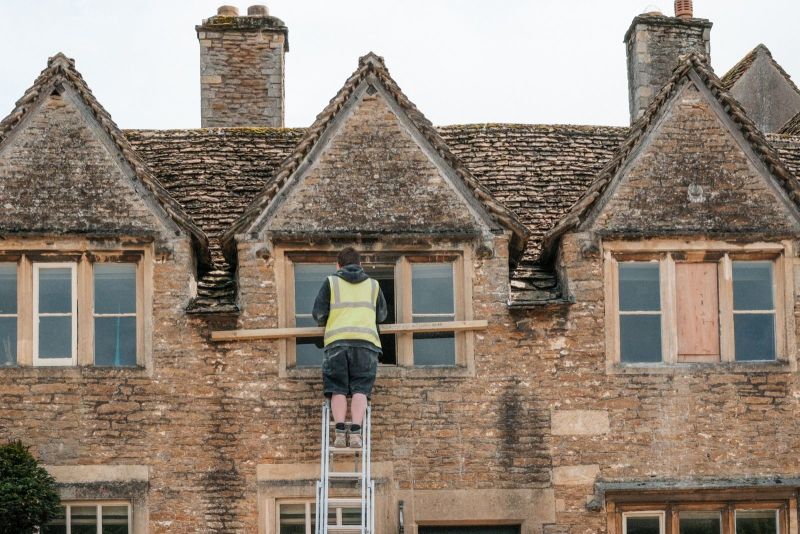
The second half is the buildings themselves. A good share of the housing here predates 1900, plenty of it is listed or sits in a conservation area, and the roofs carry natural materials that need handling in kind. Mild, damp winters that rarely freeze hard enough to kill moss leave slopes green and heavy with growth, and lichen thrives on the old stone and slate. Rain on 160-plus days a year gives these roofs very little time to dry out between fronts, so any weak joint, tired lug, or perished lime pointing gets found quickly. Constant wet is what drives most of the failures below.
The Roof Problems We See Most in Wiveliscombe and the Villages
The bulk of the roofing trouble in this area comes down to a handful of repeat offenders, though on period roofs they wear slightly different clothes to the ones you get on a modern estate.
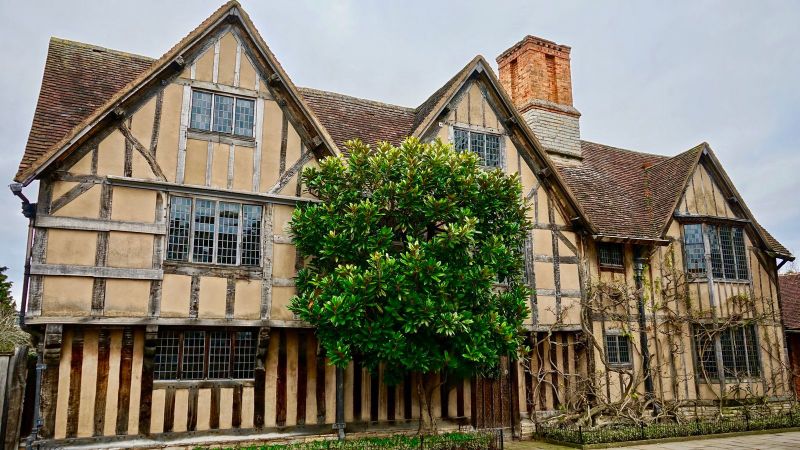
Slipped and missing slates top the list, usually where iron nails have rusted through on a roof laid a century or more ago - "nail sickness" that eventually drops slates a few at a time. Cracked or loose ridge tiles come next, the lime or cement mortar letting go after decades of frost and wet. Failed lead in valleys and around chimneys is the third big one, and on these steep, complex old roofs there is a lot of lead to go wrong; it hides more leaks than anything else because water tracks along a rafter before it ever stains a ceiling. Blocked and sagging gutters, often cast iron on the older properties, round things out. On cob-walled buildings a leaking roof is doubly serious, because cob hates getting wet and a slow drip can soften a wall that has stood for 300 years. Around 70% of the repairs we quote in the area fall into just those groups.
Moss, Lichen, and the Damp That Feeds Them
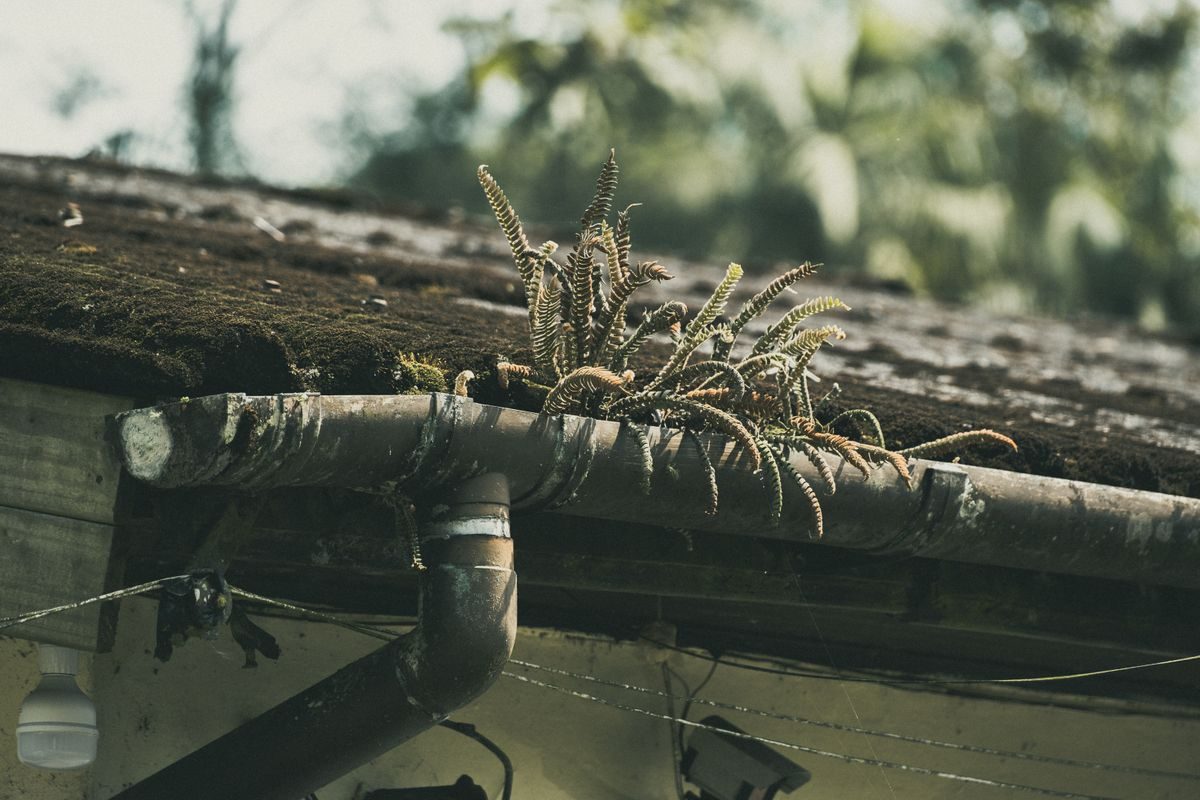
The mild, wet air here suits moss and lichen almost too well, and north-facing slopes can be thick and green within a couple of years of being cleaned. On natural slate and stone this is more than cosmetic - it holds water against the covering, blocks the gaps a roof needs to drain, and its roots can work into soft old slate. Cleaning wants a gentle hand: a careful soft-brush treatment runs £250-£600 for a typical property, and pressure washing old slate or stone tiles is a false economy that strips their surface and shortens their life. Better done before the growth has forced coverings apart than after.
What Roof Repairs Cost in West Somerset
Repair pricing is more predictable than most people fear, but two things push village jobs above town rates: the materials are often specialist, and the access is rarely easy on a rural property down a narrow lane.
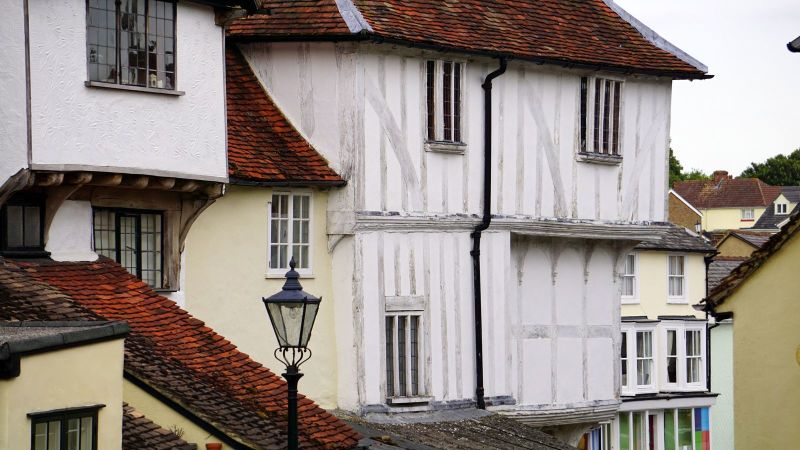
Replacing a few slipped or broken slates typically costs £150-£350, including the call-out, more where matching reclaimed slate is needed. A section of new lead flashing around a chimney runs £250-£600, and a full valley re-lead on a complex old roof climbs from there. Re-bedding a run of ridge tiles is £300-£800 depending on length and access. Clearing and re-fixing cast-iron gutters is £150-£400, as the old sections are heavier and more awkward than modern plastic. A patch to a leadwork or slate valley is £250-£700. The figure that moves the total most is timber and, on cob buildings, the wall itself: once water has got into old rafters or a lime-bound structure, repairs run £400-£1,500 for a localised section and climb sharply from there. A full re-slate on a period West Somerset cottage often lands at £8,000-£15,000 once scaffold, reclaimed materials, and heritage detailing are counted. As always, a repair caught early costs a fraction of the water-damage bill it prevents.
Period Roofs: Stone, Slate, Cob, and Thatch
The roofs here are the reason to choose your roofer carefully, because the wrong material or method can do lasting harm to an old building. Knowing what you have tells you what it needs.
Sandstone, Slate, and Clay
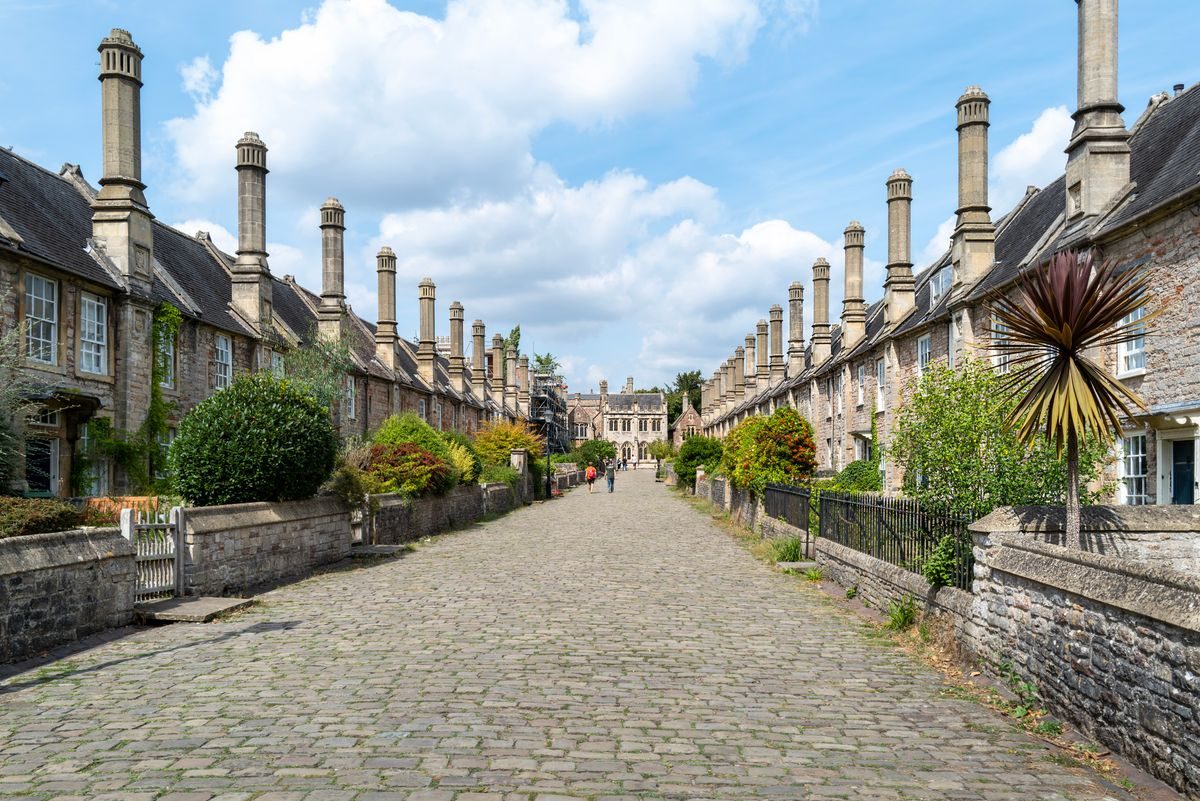
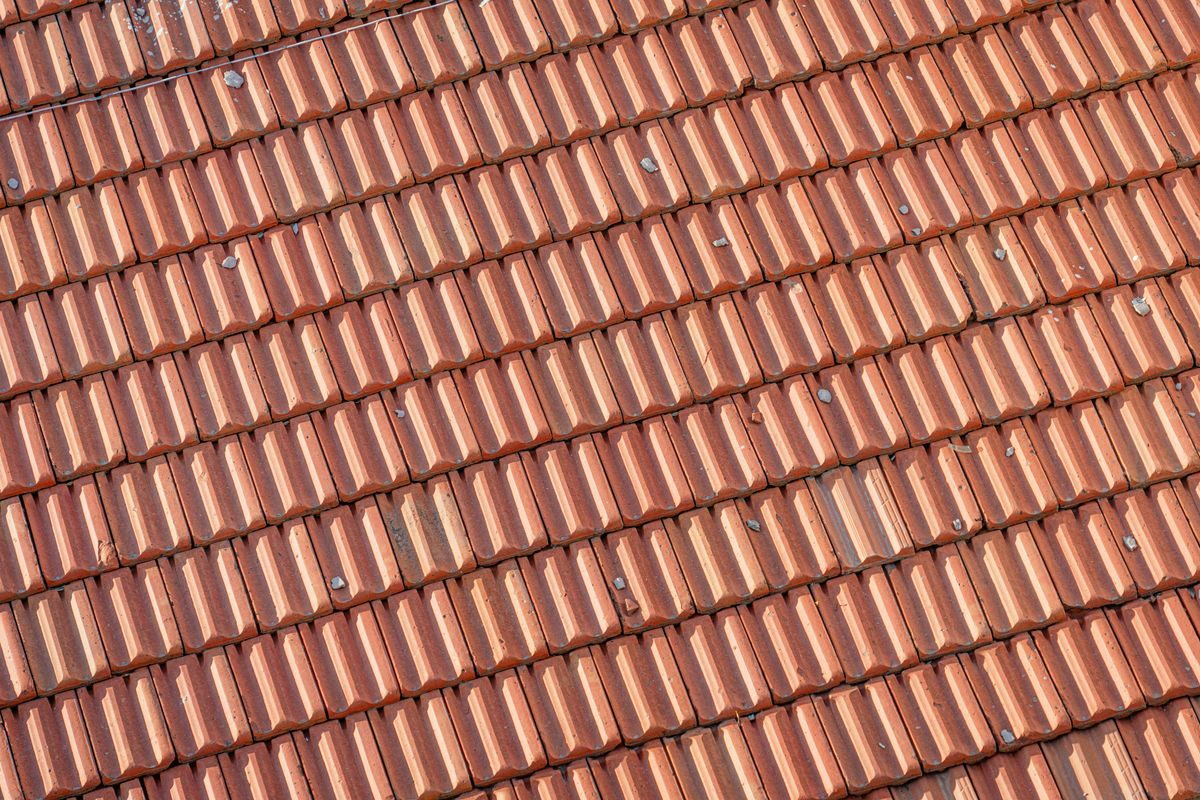
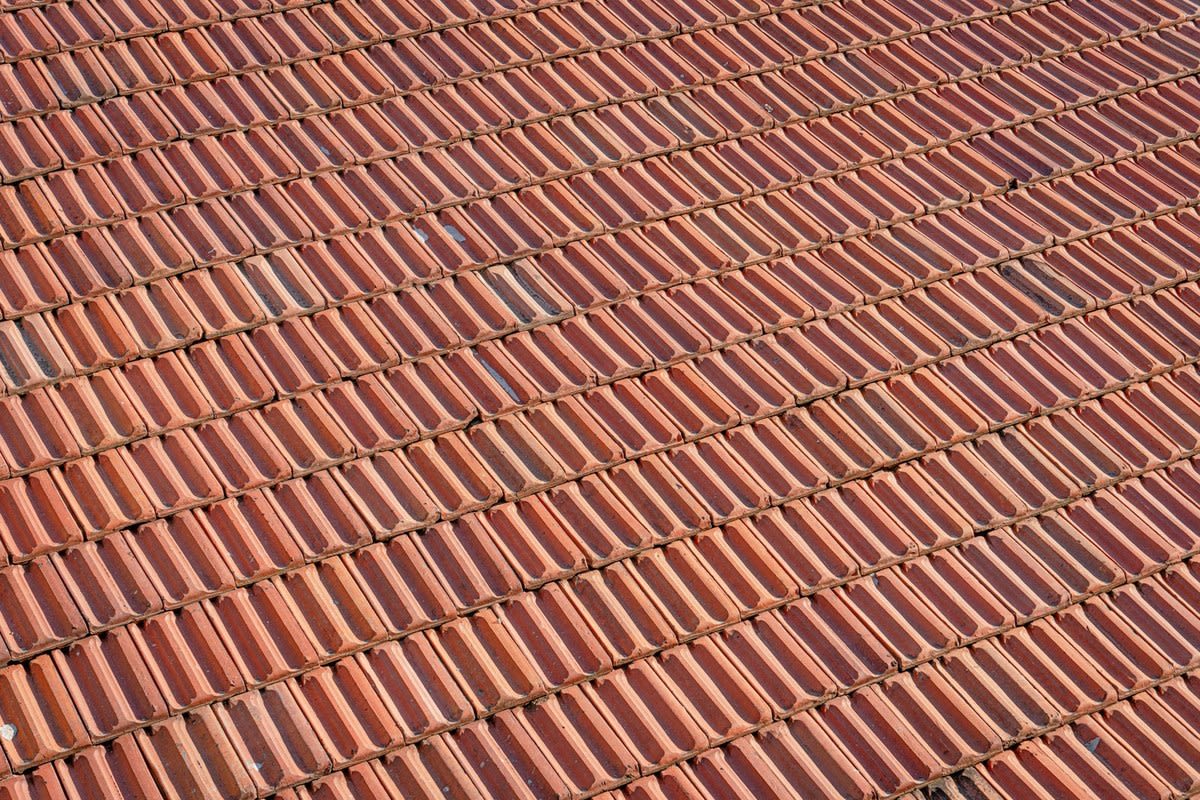
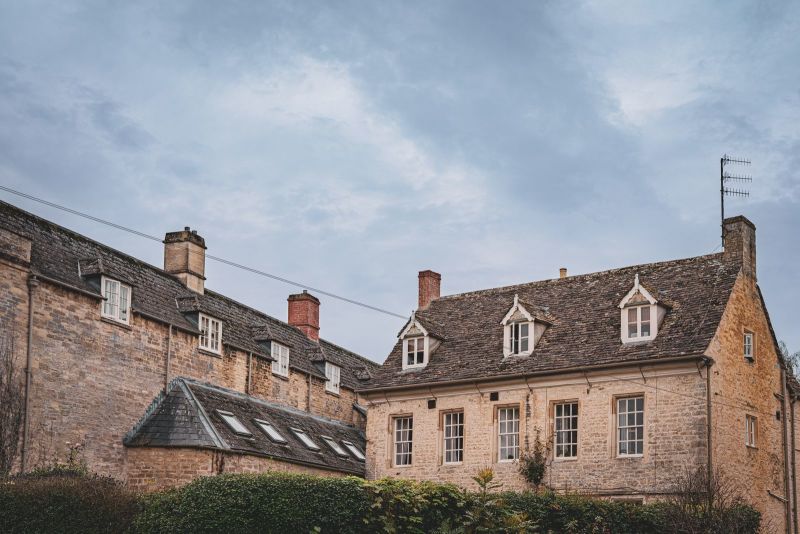
Much of Wiveliscombe and its villages is built of local red Devonian sandstone under natural slate - some Welsh, some older local stone slate on the oldest properties - with clay pantiles and double-Roman tiles appearing on barns and later additions. Natural slate can last well over a century, but the nails and the lead almost never do, so partial re-nailing, torching renewal, and flashing replacement are the common jobs. The golden rule is like-for-like: a reclaimed slate to match, lime mortar rather than hard modern cement on a solid-walled building, and lead of the right code. Where a property is listed, changing the roof covering usually needs consent, so it is worth checking the government's guidance on when you need planning permission for building work in England before any work beyond straight repair.
Cob and Thatch
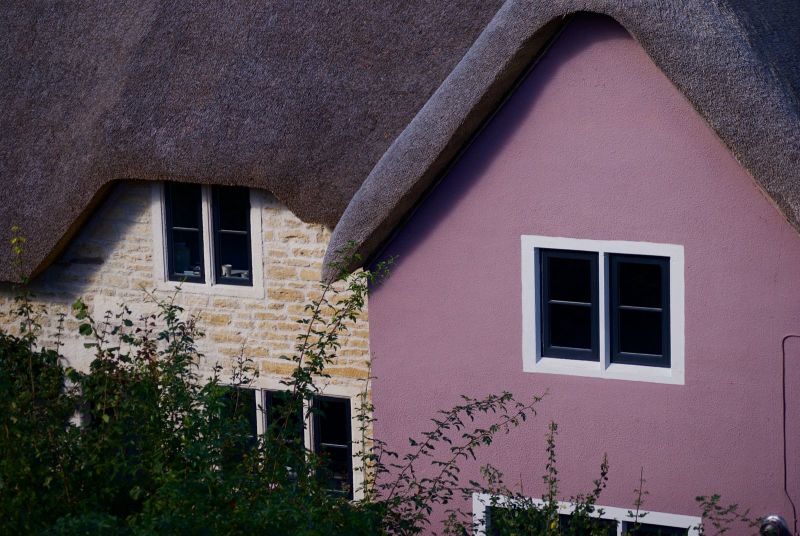
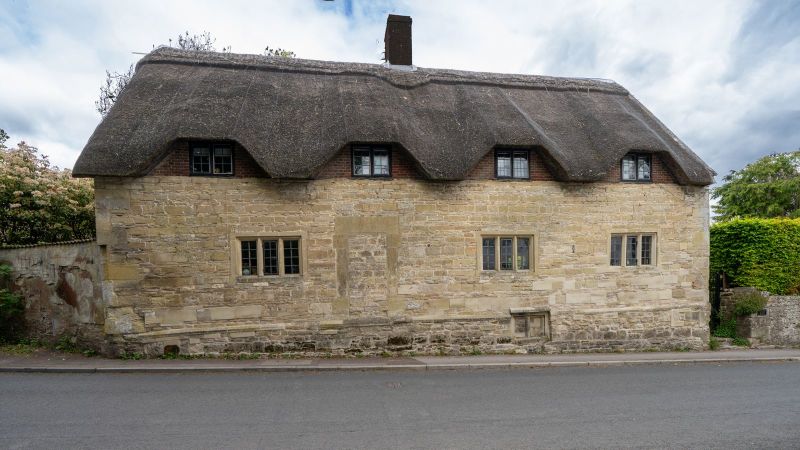
The surrounding hamlets still hold cob-walled and thatched cottages, and both need a light, informed touch. Thatch is its own trade - a master thatcher, not a general roofer - and a full re-ridge runs into the low thousands with a full re-coat far higher, so keeping it sound matters. Cob walls depend entirely on staying dry and breathing, which means a watertight roof with a generous overhang and lime, never cement, anywhere near them. A roofer who reaches for hard sand-and-cement mortar on a cob or stone building is the wrong roofer for the job.
Lead, Valleys, and Chimneys
Old West Somerset roofs carry far more lead than a modern one - swept valleys, secret gutters, complex chimney flashings on tall stone stacks - and that leadwork is where a great many of the leaks begin. Split, fatigued, or under-sized lead lets water track into the timber below long before anything shows indoors. We've written in more detail about what fails and what it costs in our guide to lead flashing repairs and what they involve, and on these older, steeper roofs the lead is even more central than usual.
Emergency Repairs Versus Planned Work on Rural Roofs
There is a real difference between a roof letting water in tonight and one that simply needs attention soon, and treating the two the same wastes money - especially out here where a same-day call-out means a roofer driving a fair way down single-track lanes. A genuine emergency, such as slates off in a gale or water coming through a ceiling, needs a temporary make-safe first: a tarp or felt patch to stop the ingress, typically £150-£400. That buys a few weeks so the permanent repair can be done properly, in dry weather, with the right reclaimed materials ordered in. It is not the finished job, and any honest roofer will say so. Most village repairs are not emergencies, and they cost far less handled on a planned basis, when a roofer can bring the scaffold, the matching slate, and the leadwork in one organised visit rather than a rushed one.
How to Find a Roofer in Wiveliscombe and West Somerset
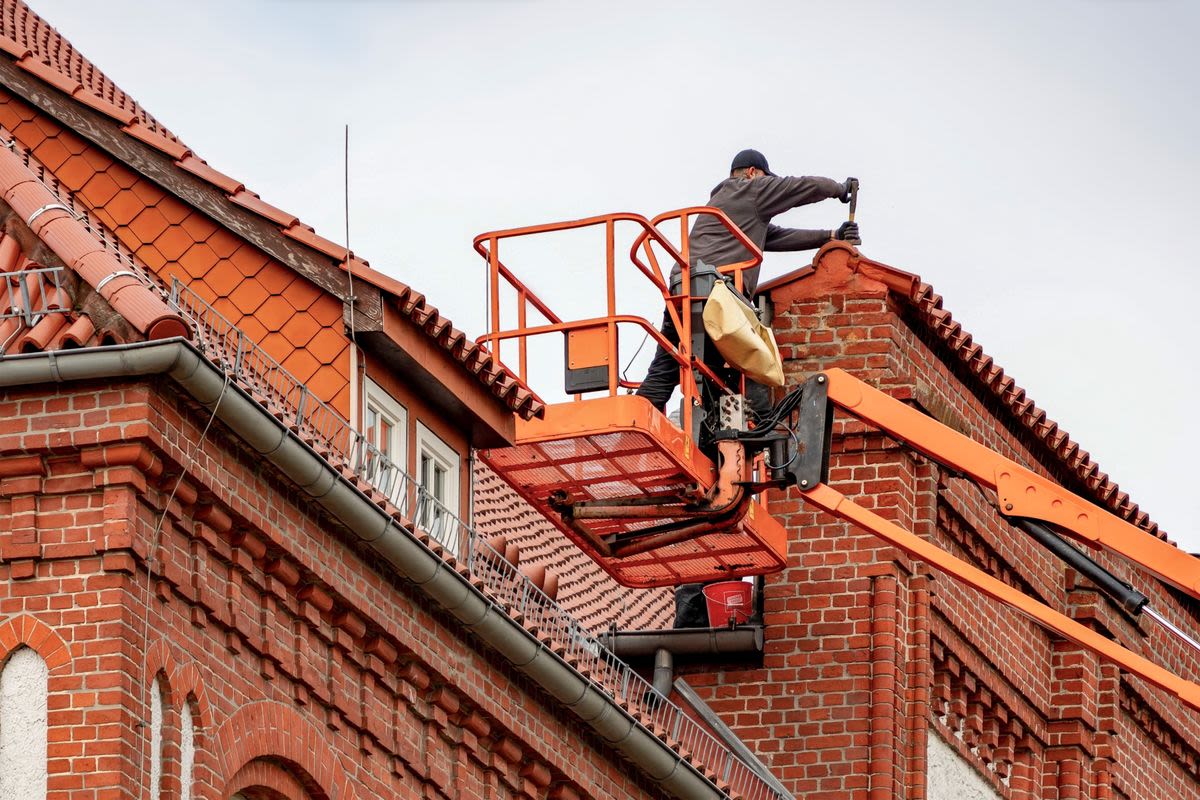
Skilled heritage roofers are thinner on the ground out here than in Taunton, and the rural setting means the good ones book up early, so it pays to start looking before you are desperate. Begin with membership of a recognised body: the NFRC find-a-member directory of vetted roofing contractors lists firms covering West Somerset that have passed office and site audits, and it also points to the National Heritage Roofing Contractors Register, which is exactly who you want on a listed or period property. For any scheme-backed or guaranteed work, look for government-endorsed TrustMark registration. Ask for a written quote that names the materials - reclaimed slate, lime mortar, lead code - insist on seeing public liability insurance, and be wary of the doorstep caller who "noticed your roof while working nearby", a pitch behind a large share of the overcharging complaints across rural Somerset. Get two or three quotes; genuine roofers do not mind the competition. A firm that will climb up, photograph the fault, and talk you through matching materials tends to produce work that respects the building rather than harming it.
FAQ
Q: How much do roof repairs cost in Wiveliscombe and the West Somerset villages?
A: Most repairs run £150-£800. Replacing slipped or broken slates is typically £150-£350, new chimney flashing £250-£600, re-bedding ridge tiles £300-£800, and a valley or leadwork patch £250-£700. Period materials and awkward rural access push jobs higher, and once water has reached old timber or a cob wall, repairs run £400-£1,500 for a localised section and climb from there. An early fix almost always works out cheaper.
Q: Why do period roofs in West Somerset need such careful repair?
A: The villages around Wiveliscombe hold a lot of listed and pre-1900 buildings roofed in natural slate, local sandstone, cob, and thatch. These need like-for-like materials and lime mortar rather than hard modern cement, which can trap damp and harm a breathable old wall. The wet Brendon and Quantock edge, with rain on 160-plus days a year, gives these roofs little time to dry, so faults are found quickly and matter more than on a modern estate.
Q: Do I need consent to repair a roof on a listed building here?
A: Straightforward like-for-like repairs are usually fine, but changing the roof covering, altering the structure, or working on a listed building often needs consent. Check the government's guidance on planning permission before going beyond a simple repair, and choose a roofer experienced with heritage and listed work - the National Heritage Roofing Contractors Register, linked from the NFRC directory, is a good place to start.
Q: How do I find a roofer who understands period roofs in West Somerset?
A: Look for membership of the National Federation of Roofing Contractors, ideally on its heritage register, plus TrustMark registration. Get a written quote that names the materials - reclaimed slate, lime mortar, the correct lead code - and check public liability insurance. Be cautious of doorstep callers, get two or three quotes, and favour a roofer who climbs up, photographs the fault, and talks you through matching materials rather than reaching for cement.
Ready to work with Roof Repairs Taunton?
Let's connect! We’re here to help.
Send us a message and we’ll be in touch.
Or give us a call today at 01823 746216
Agency Contact Form
More Marketing Tips, Tricks & Tools