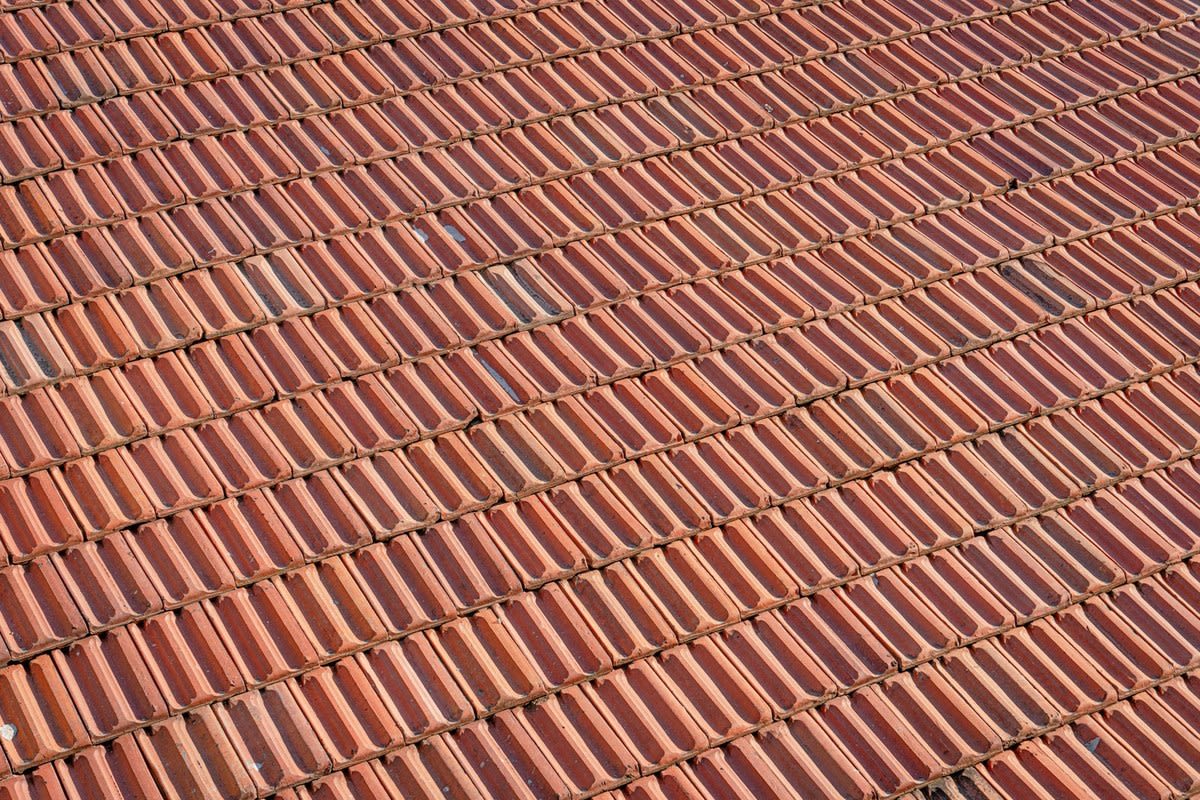
Roof Repairs in Chard: Common Problems, Costs, and Who to Call
Chard sits higher than anywhere else in Somerset, up on a ridge at around 121 metres above sea level, and that exposed spot is the single biggest reason its roofs take a battering. Rain that lands on one side of Fore Street drains to the Bristol Channel and the other to the English Channel - a genuine watershed - which tells you just how open to the weather the town really is. Up here the wind does the damage, driving rain sideways under tiles and worrying at any ridge whose mortar has gone. Most repairs stay small: a slipped tile or a length of failed flashing runs £120-£450, and the majority of jobs never top £800. Leave one through a wet Somerset winter, though, and water reaching the timber turns a £150 fix into four figures. Roughly a third of the roof call-outs around Chard trace back to a single displaced tile that leaked for months. This guide covers what Chard roofs throw up most, what fixing it costs, and how to find a roofer worth the money.
Why Chard's Hilltop Position Is Hard on Roofs
Chard's height is the whole story. Being the highest town in Somerset sounds like a fine boast until you are the one paying for the roof, because a ridge-top position means nothing softens the wind before it reaches you. Gusts that a sheltered valley town would barely notice arrive here at full strength, lifting tile tails, stripping ridge mortar, and forcing rain up and under laps that would stay watertight lower down. If your roof is showing its age and you want it looked at before the next front rolls through, Roof Repairs Taunton covers Chard and the villages around it.

The rainfall figures back up what residents already feel. The South West runs well above the UK average, past 1,000mm a year in many spots with rain falling on more than 150 days, and on high, open ground like Chard's a good share of that arrives horizontally rather than straight down. Winters here are milder than the height suggests, but Chard does catch more frost and the odd snowfall than the low Somerset Levels twenty miles north - enough that the freeze-thaw cycle gets to work on already-cracked tiles and tired mortar. Constant wind-driven wet is what drives most of the failures below.
The Roof Problems We See Most Often in Chard
The bulk of Chard's roofing trouble comes down to a handful of repeat offenders, and nearly all of them start small. Catching them early is the whole game.
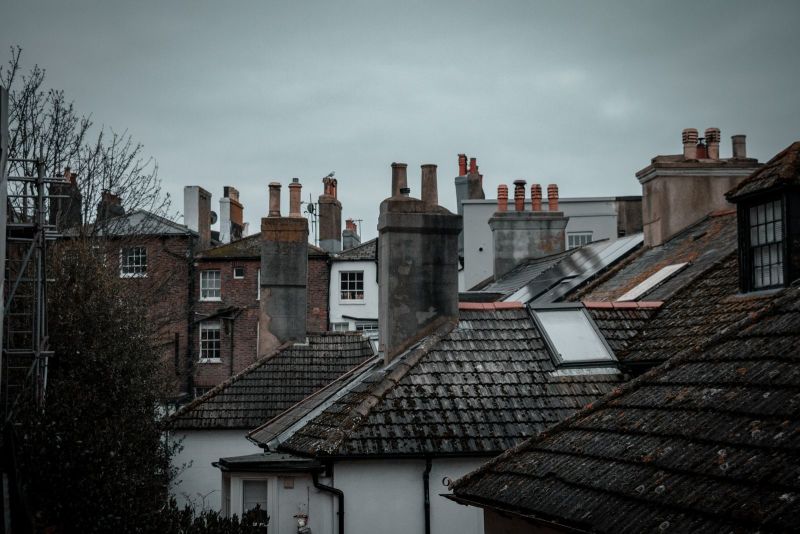
Slipped and missing tiles top the list, usually where a nail or peg has corroded on a roof laid decades ago - and on Chard's exposed slopes they slip sooner than they would in shelter. Cracked or loose ridge tiles come next, because the ridge is the first thing the wind gets hold of; once the mortar bedding lets go after 20 to 30 years, a ridge tile lifting in a hilltop gale becomes a hazard to whatever is below. Failed flashing around chimneys and abutments is the third big one, and it hides more leaks than anything else because the water tracks along the timber before a stain ever reaches a ceiling. Blocked and sagging gutters round things out, overflowing down the wall and soaking the eaves. On the flat roofs over Chard's many rear extensions and 1960s additions, it is splits and ponding in tired felt. Around 70% of the repairs we quote locally fall into just those five groups.
Moss and the Damp That Feeds It
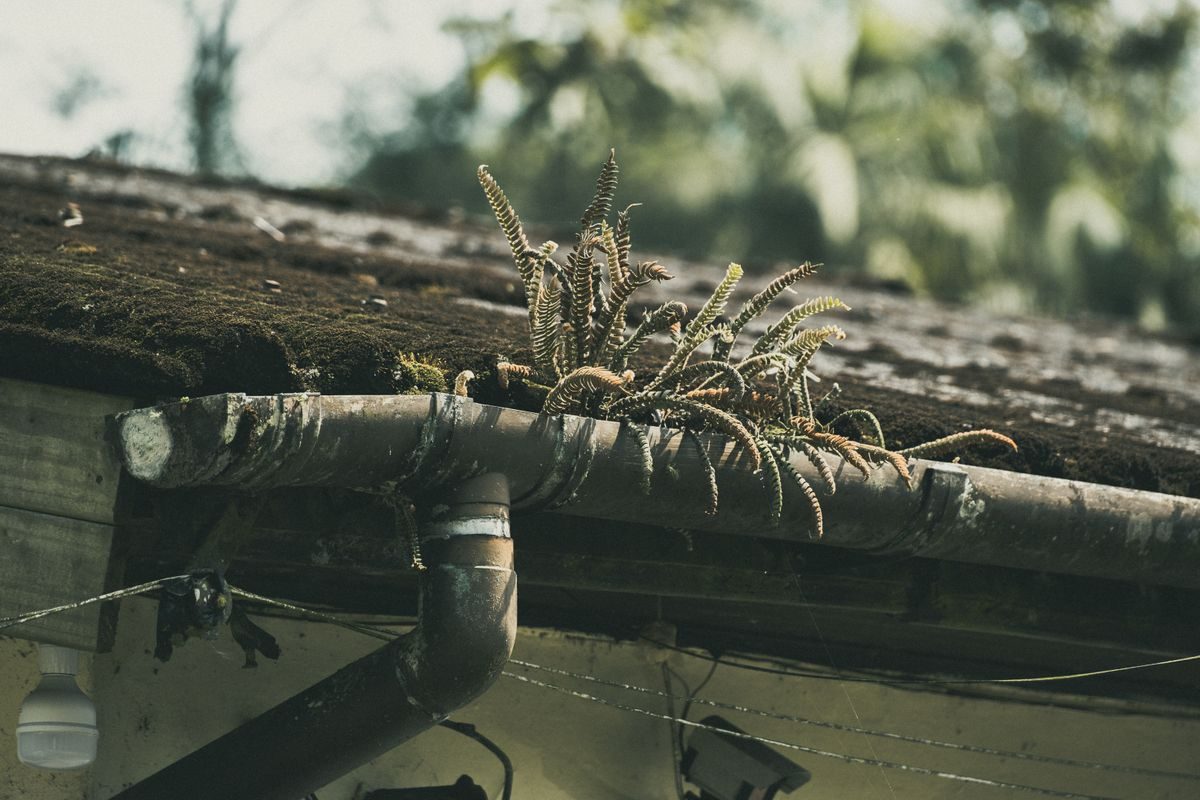
Chard's mild, wet air suits moss almost perfectly, and north-facing slopes here can turn green within a couple of years of being cleaned. Moss is not just an eyesore - it holds water against the tiles, blocks the gaps a roof needs to drain and breathe, and in the harder frosts Chard gets at height it expands in those gaps and lifts tile edges. A professional soft-brush clean and treatment runs £250-£600 for a typical semi, and it is far better done before the moss has forced tiles apart than after.
What Roof Repairs Cost in Chard
Repair pricing is more predictable than most people fear, and the typical job is smaller than the worst-case figure lurking in your head. The variables are access, height, and how far the damage has spread by the time someone climbs up to look.
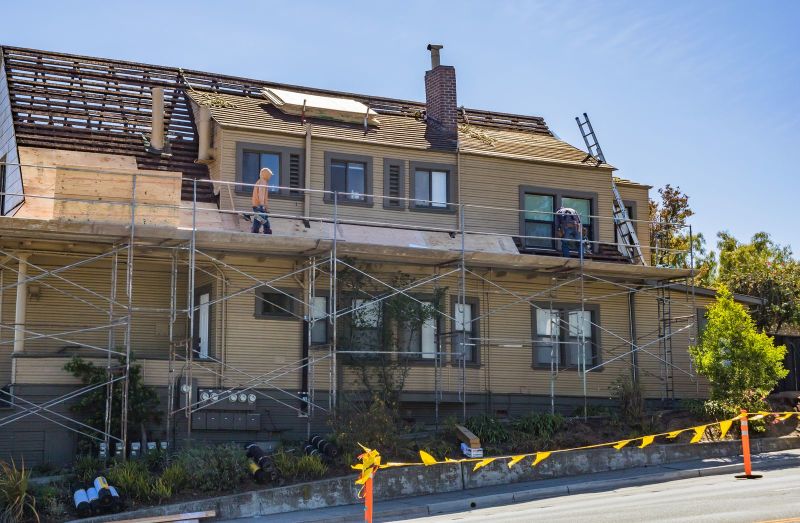
Replacing a few slipped or broken tiles typically costs £120-£300, including the call-out. A section of new lead flashing around a chimney runs £200-£500, more if the whole stack needs re-flashing. Re-bedding a run of ridge tiles is £300-£750 depending on length and access - and on Chard's roofs ridge work comes up more often than average because of the wind. Clearing and re-fixing gutters is £120-£300, and a patch repair to a split flat roof is £200-£500, though a felt roof past its life is better replaced than patched yet again. The figure that moves the total most is timber: once water has reached the rafters or battens, structural repairs run £300-£1,000 for a localised section and climb from there. A full re-roof on a typical Chard semi lands around £6,000-£12,000. As a rule, a repair caught early costs a fraction of the water-damage bill it prevents.
Chard's Lace-Town Terraces and Older Housing
Chard is a real mix of ages, and the roof problems track the era a house went up. Knowing which camp yours falls into tells you exactly what to watch for.
Victorian Lace-Worker Terraces
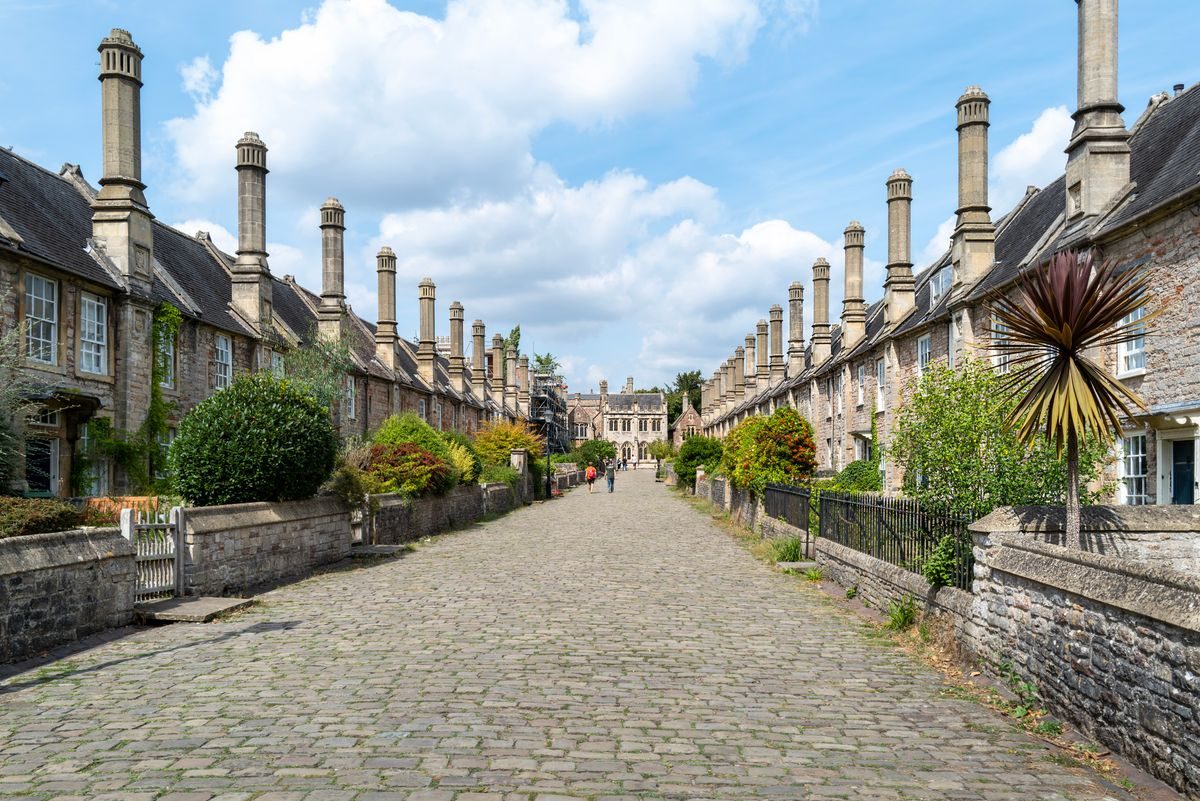
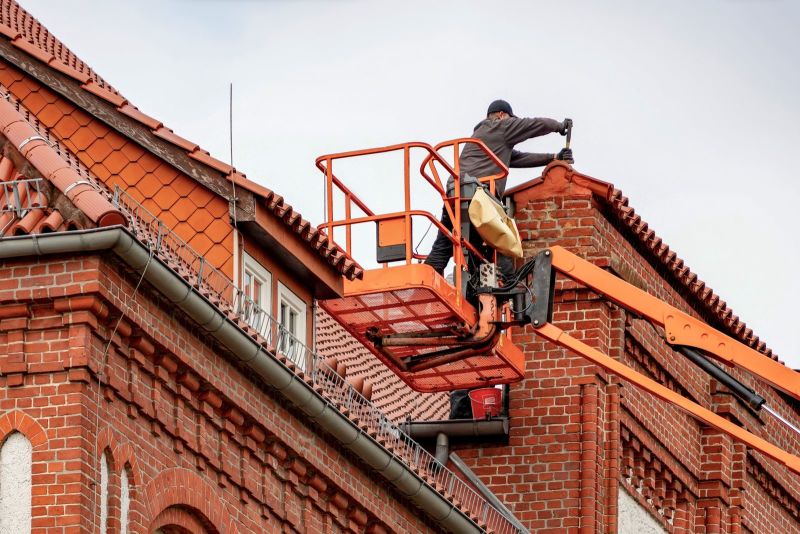
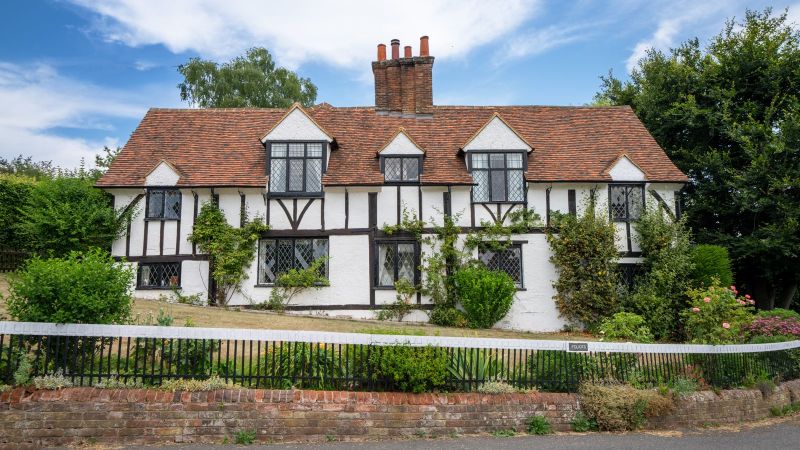
Chard was the centre of a huge machine-made lace and net industry in the 1800s, and the rows of workers' terraces off Holyrood Street, Furnham, and around the old Boden and Gifford Fox mills still carry that history on their roofs. Many wear natural slate brought in by rail or early clay tiles on cut-timber structures, often on shallow pitches that were never generous with their laps. The usual failures are corroded slate nails causing slippage, tired lead in the valleys and around chimneys, and the odd sagging ridge. Slate can last a century but the fixings rarely do, so partial re-nailing and flashing renewal are common. Repairs here want someone comfortable working with slate and able to match older tiles, not just drop in a modern concrete lookalike. Much of central Chard also sits within a conservation area, so before changing the roof covering on an older property it is worth a look at the government's guidance on when you need planning permission for building work in England, as like-for-like repairs are usually fine but a change of material may not be.
Postwar and Estate Housing
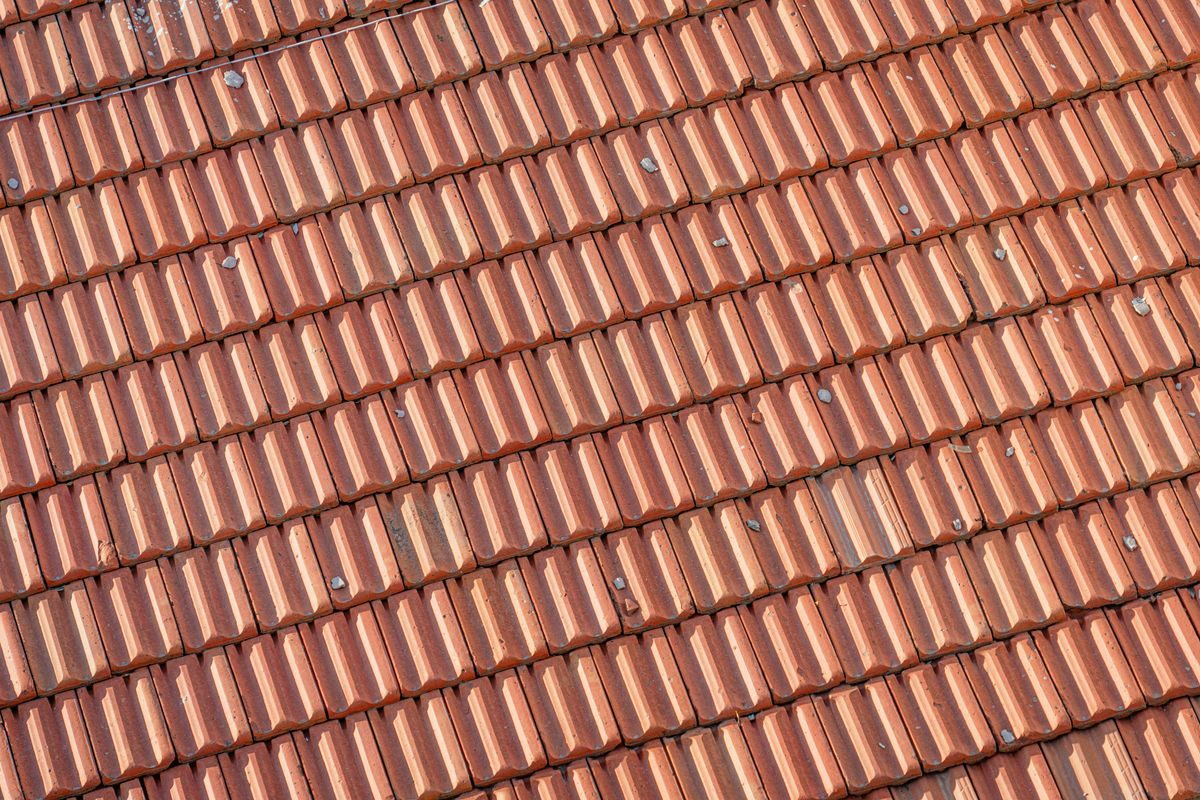
The council-built estates and postwar semis that filled in around the town from the 1950s on, out towards Furnham and the eastern edge, mostly wear concrete interlocking tiles. These are tough but heavy, and the weak points are the mortar bedding on ridges and hips and the felt underlay, which turns brittle and tears after 40-odd years. Once the underlay goes, wind-driven rain that slips past a tile - and on Chard's exposed slopes plenty does - has nothing left to stop it. Many of these roofs are now exactly at that age.
Newer Developments
The modern estates on the town's edges, including the growth out towards Tatworth and the newer builds on the southern fringe, have young roofs where outright failure is rare. Here it is workmanship snags that surface - a poorly bedded dry ridge, undersized flashing, or a blocked eaves vent - usually within the first ten years. These are cheap fixes if caught early, and worth a look once a roof is out of its build warranty.
Wind, Driven Rain, and Ridge Failures on High Ground
Chard's exposure deserves its own word, because it changes which parts of a roof fail first. On sheltered ground the tiles in the middle of a slope tend to outlast the edges. Up here the wind attacks the perimeter - ridges, hips, verges, and the last course at the eaves - and lifts anything not held down properly. A dry-fix ridge and verge system, which mechanically clamps those tiles rather than relying on mortar, is worth serious thought on any Chard re-roof; it costs a little more up front but takes the town's worst weak point off the table. Mortar-bedded ridges here can need attention every 15 to 20 years rather than the 30-plus you might get in shelter.
Storms are the other side of this. A single named storm can strip more tiles off a Chard roof in a night than a decade of ordinary weather, and the damage often shows at the ridge and verge first. We've written more about what to do when the wind has been at your roof, and what insurance tends to cover, in our guide to storm damage roof repairs and dealing with insurers, and the advice applies just as much on Chard's ridge as anywhere.
Emergency Repairs Versus Planned Work
There is a real difference between a roof letting water in tonight and one that simply needs attention soon, and treating the two the same wastes money. A genuine emergency - a tile off in a gale, water coming through a ceiling - needs a temporary make-safe first: a tarp or felt patch to stop the ingress, typically £150-£350. That buys a few weeks so the permanent repair can be done in daylight and dry conditions. It is not the finished job, and any honest roofer will say so. Most Chard repairs, though, are not emergencies, and they cost far less handled on a planned basis, when a roofer can fold your job in with others nearby and you are not paying a premium for a same-day turnout in bad weather - which, on this hill, is often exactly when the tile comes off.

How to Find a Roofer in Chard
Chard has a mix of established local firms and plenty of one-van operators, some excellent and some best avoided, and the difference is rarely clear from the quote alone. Start with membership of a recognised body: the NFRC find-a-member directory of vetted roofing contractors lists firms covering south Somerset that have passed office and site audits, and for any scheme-backed or guaranteed work look for government-endorsed TrustMark registration. Ask for a written quote that names the materials, insist on seeing public liability insurance, and be wary of the doorstep caller who "noticed your roof while working nearby" - that pitch accounts for a large share of the overcharging complaints across rural Somerset. Get two or three quotes; genuine roofers do not mind the competition. A local firm that will actually climb up, photograph the fault, and show you the problem tends to produce a better job than one quoting from the pavement. Book ahead where you can, because the good roofers around Chard are busiest from late autumn through winter, which up on this ridge is exactly when your roof is most likely to catch you out.
FAQ
Q: How much do roof repairs cost in Chard?
A: Most repairs run £120-£800. Replacing slipped or broken tiles is typically £120-£300, new chimney flashing £200-£500, re-bedding ridge tiles £300-£750, and a flat-roof patch £200-£500. Once water has reached the roof timbers, structural repairs start around £300-£1,000 for a localised section and climb from there, so an early fix almost always works out cheaper.
Q: Why do roofs in Chard seem to need more repairs?
A: Chard is the highest town in Somerset, sitting on an exposed ridge at around 121 metres, so the wind reaches roofs at full strength and drives rain sideways under tiles and into ridge mortar. The South West already runs past 1,000mm of rain a year on 150-plus wet days, and the exposure means more of it arrives horizontally, finding weak joints and loosening ridges faster than in sheltered towns.
Q: Does Chard's exposed position change what fails first?
A: Yes. On sheltered roofs the middle of the slope tends to outlast the edges, but on Chard's high ground the wind attacks the perimeter - ridges, hips, verges, and the eaves course - first. Mortar-bedded ridges here can need attention every 15 to 20 years rather than 30-plus, which is why a mechanically fixed dry ridge and verge system is worth considering on any re-roof.
Q: How do I find a trustworthy roofer in Chard?
A: Look for membership of the National Federation of Roofing Contractors or TrustMark registration, get a written quote naming the materials, and check public liability insurance. Be cautious of doorstep callers claiming they spotted your roof while passing, and get two or three quotes. A roofer who climbs up, photographs the fault, and shows you the problem is worth more than one pricing from the pavement.
Ready to work with Roof Repairs Taunton?
Let's connect! We’re here to help.
Send us a message and we’ll be in touch.
Or give us a call today at 01823 746216
Agency Contact Form
More Marketing Tips, Tricks & Tools