Storm Damage Roof Repairs in Taunton: What to Do and What Insurance Covers
When a named storm rolls in off the Atlantic and over the Blackdown Hills, Taunton roofs take a beating - and the phone calls to local roofers spike the next morning. The South West sits directly in the path of the autumn and winter storm track, and design gusts of 45-55mph are expected here most winters, with named storms pushing well into the 60s more than once in the past decade. Storm damage is also the one type of roof problem home insurance usually does pay for, which makes the first 48 hours after a blow genuinely worth getting right. Act quickly and you protect both your home and your claim; leave it and you risk water damage that insurers can argue was "gradual" and refuse to cover. On average a storm-damage roof repair in Taunton runs £200 - £1,500 depending on what's moved, and a full re-roof after severe damage far more. Here's exactly what to do, in what order, and what your policy will and won't cover.
First Steps in the 48 Hours After a Storm
The first two days matter more than most homeowners realise, both for safety and for your insurance claim. Start from the ground and work methodically rather than panicking or, worse, climbing up in the wet.
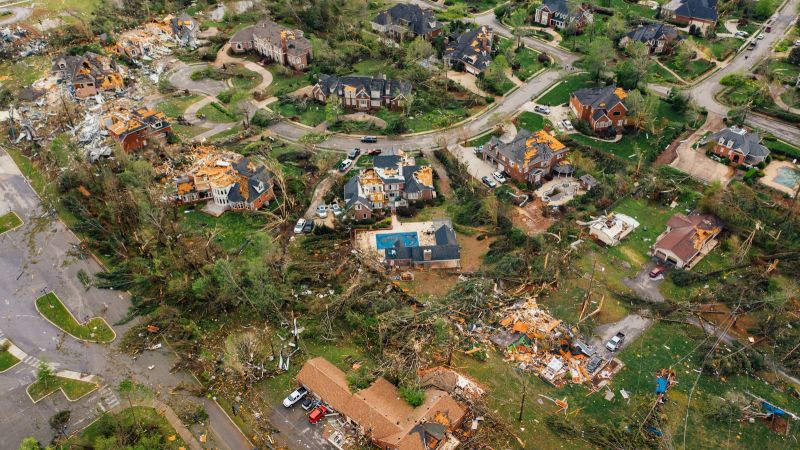
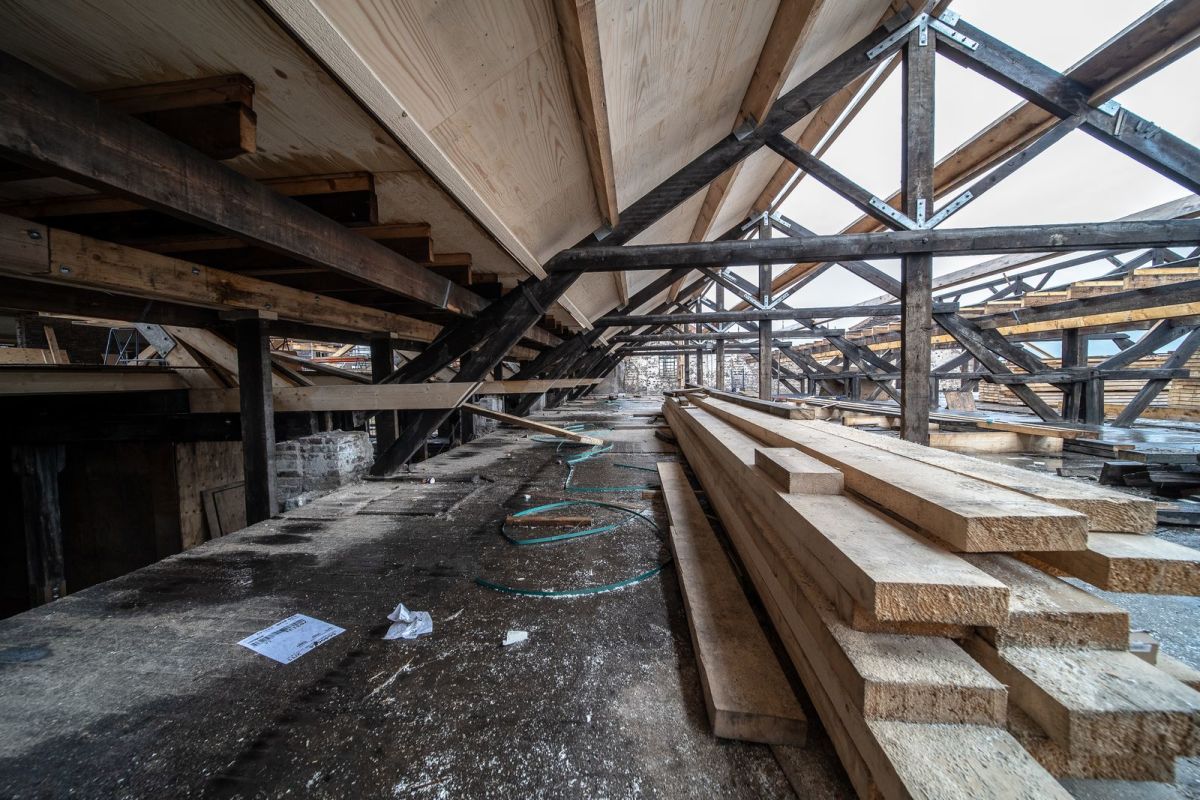
Do a ground-level check as soon as it's safe. Walk right round the house and scan each slope for gaps, tiles sitting at odd angles, or a stepped line where a course has crept downhill. Check the garden, patio, and gutters for broken tile fragments - pieces on the ground mean something's missing up top even if you can't see the gap. Then check the loft with a torch: daylight through the tiles, damp on the felt, or drips down the rafters all confirm water is already getting in. Photograph everything, dated, before anyone touches it - that photo record is the backbone of a smooth claim.
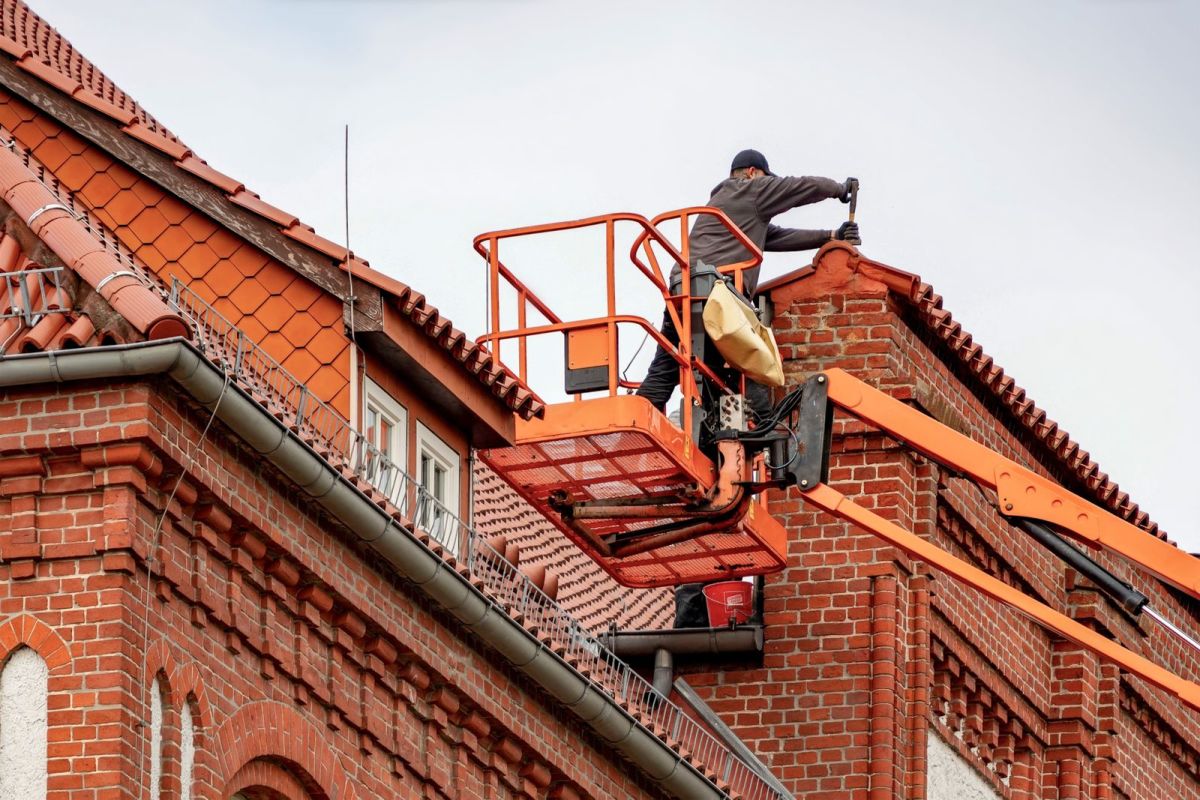
If you've found damage and water is coming in, Roof Repairs Taunton can usually get someone out fast to make it watertight - roughly half of storm callouts here are made safe with a temporary cover on the first visit while a full repair is scheduled.
Making It Safe Without Making It Worse
There's a strong temptation to get up a ladder and fix things yourself in the heat of the moment. Resist it. More people are hurt doing DIY roof work after storms than by the storms themselves, and a wet, wind-damaged roof is about the worst surface to be standing on.
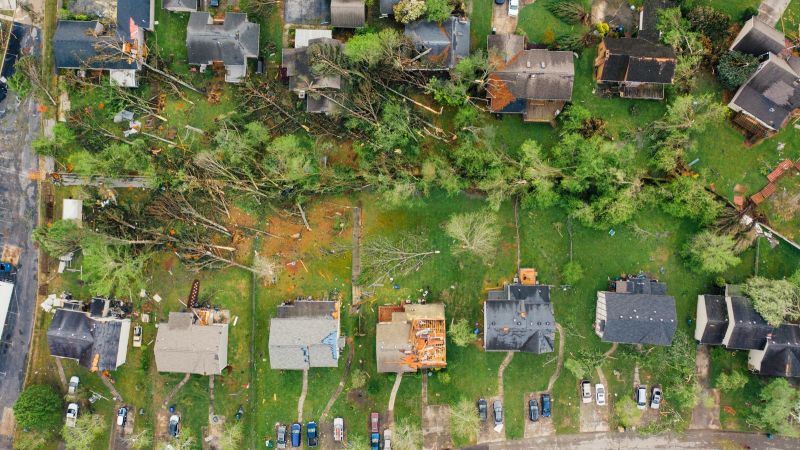
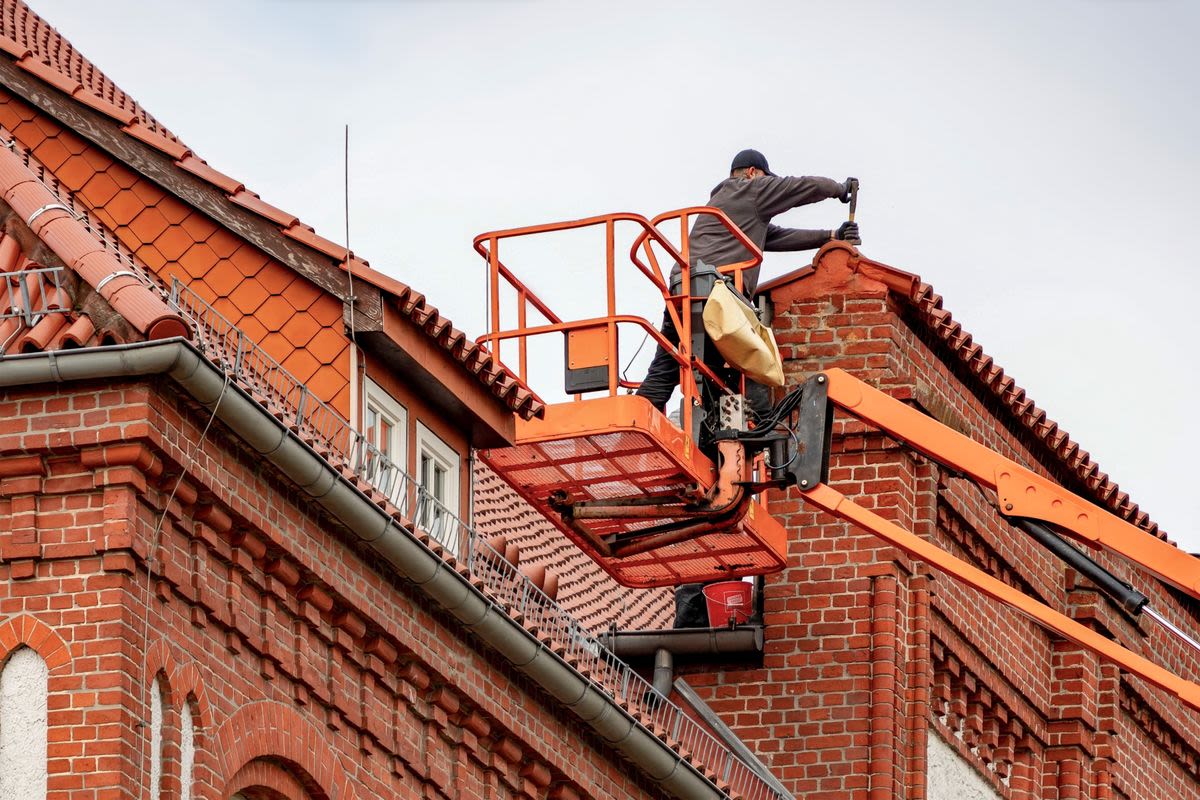
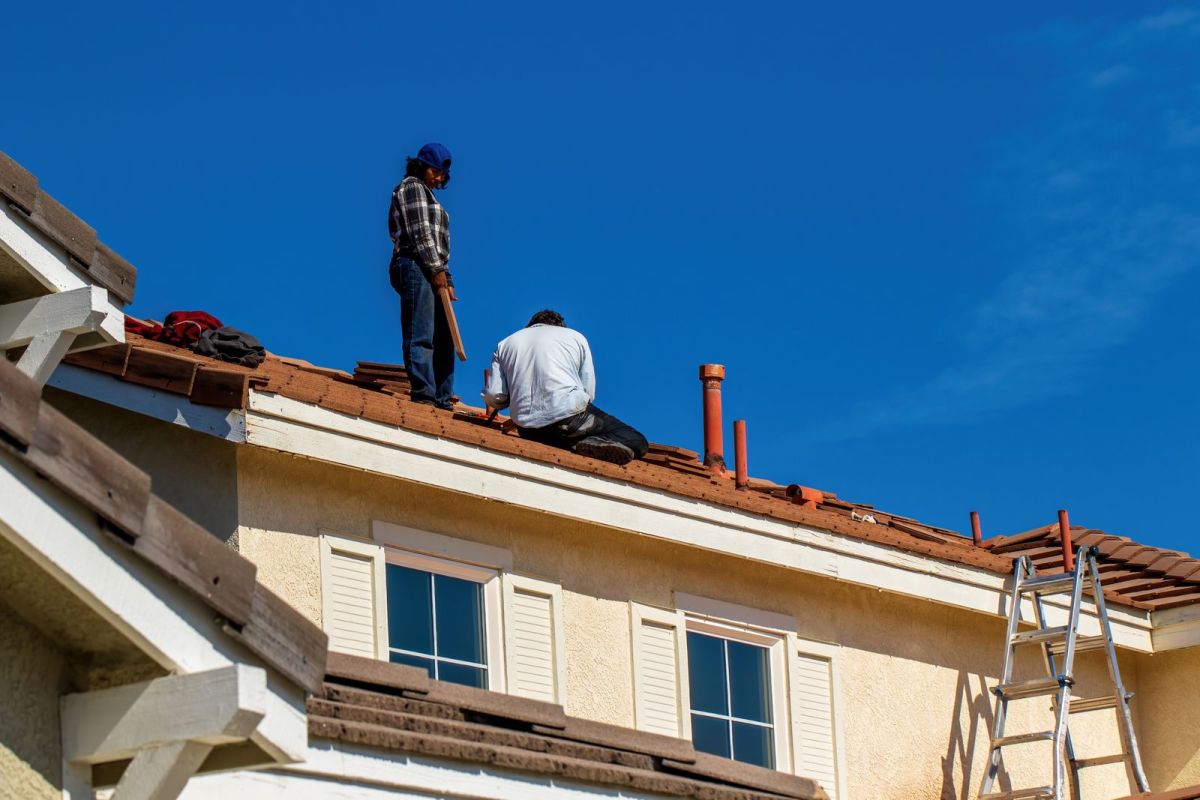
What you can safely do from inside and at ground level makes a real difference. If water is dripping into a room, move furniture clear and put buckets down, and if it's pooling above a ceiling, a small hole to let it drain in a controlled way prevents a whole ceiling coming down. Outside, only pick up fallen debris if it's safe to reach. Leave the actual roof to a professional with the right access equipment - a reputable Taunton roofer will fit a temporary tarpaulin or sheet the same day to stop further ingress, and that temporary fix is itself claimable. Insurers expect you to prevent further damage where reasonable, but they do not expect you to risk your neck.
What Storm Damage Actually Looks Like on Taunton Roofs
Storm damage isn't always a hole in the roof - a lot of it is subtle, and knowing the common patterns helps you spot it before it turns into a leak.

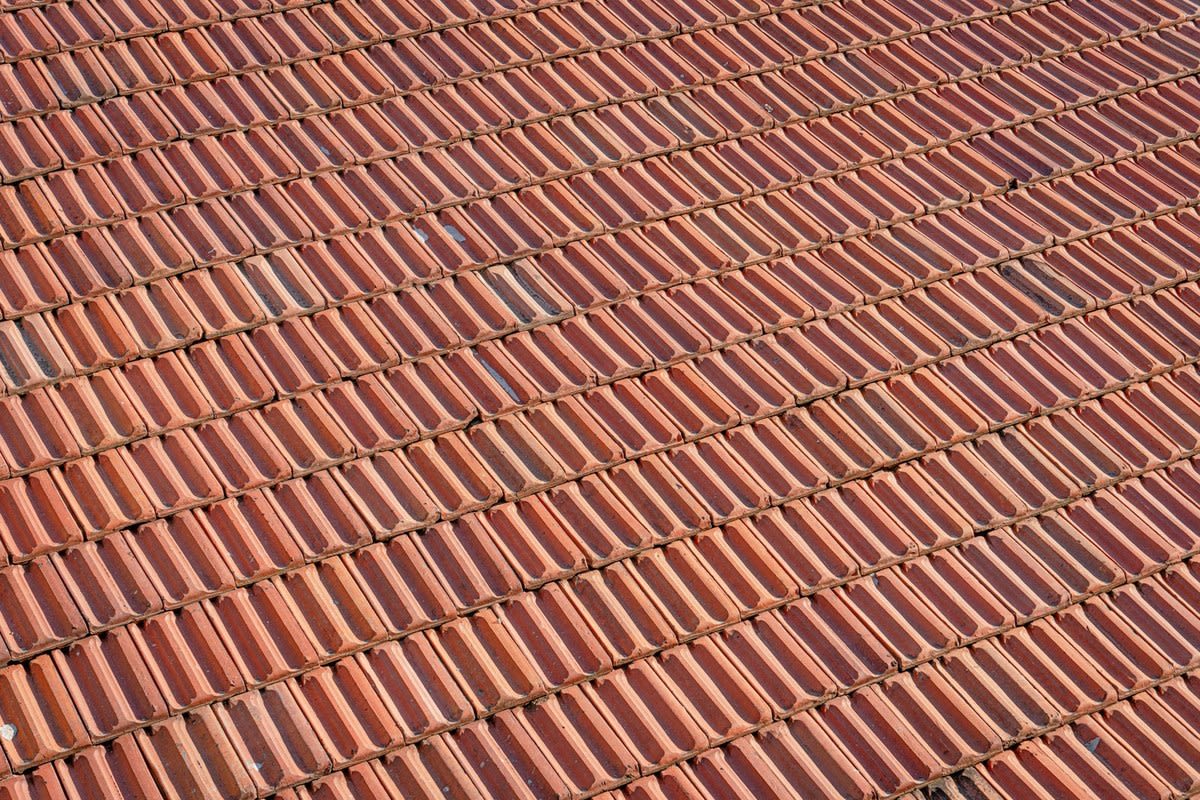
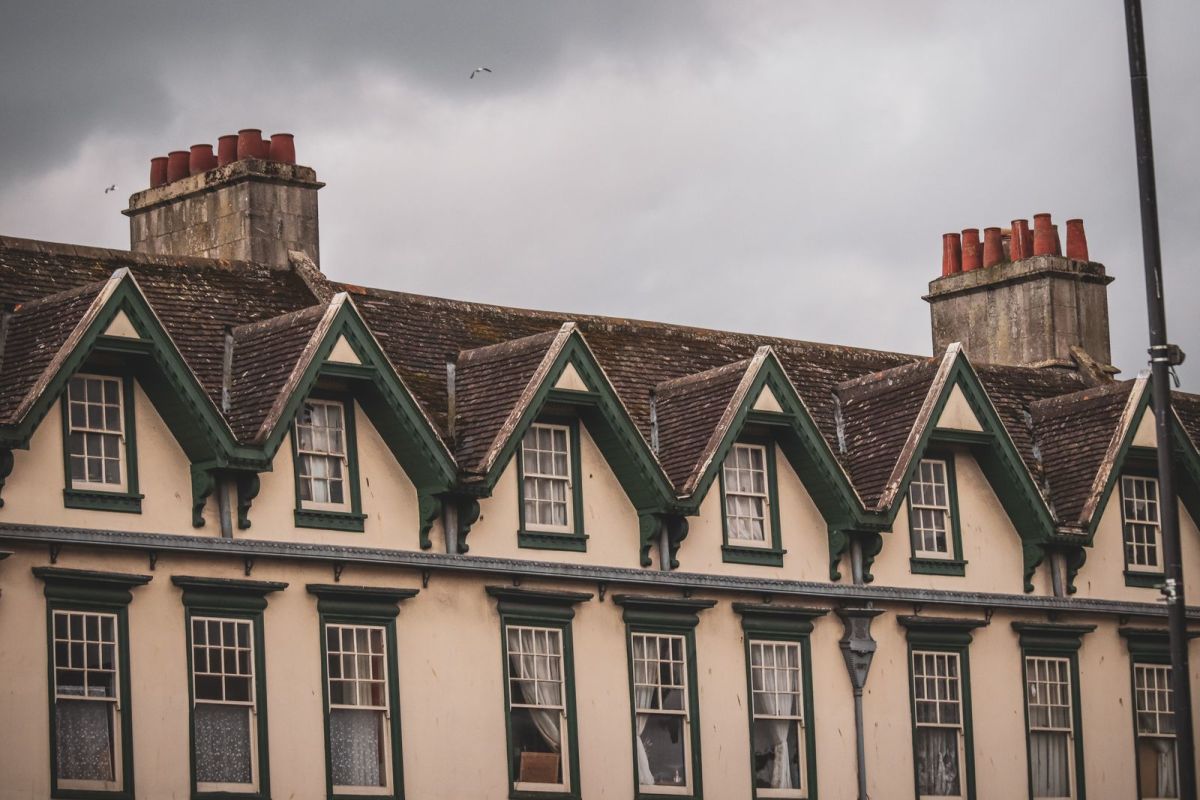
The most frequent is lifted or slipped tiles, especially around the edges, verges, and ridge where wind uplift is highest. Gusts don't push tiles off so much as create suction as air accelerates over the ridge, lifting them from beneath - which is why damage clusters at roof edges and around chimneys. On the town's older Victorian and Edwardian terraces, decades of corroded nails mean a single big blow can dislodge a whole run of tiles at once. Postwar estates with concrete tiles fare a little better but still lose ridge caps and verge tiles where the mortar bedding has aged.
Beyond tiles, storms strip lead flashing away from chimneys and abutments, tear guttering and fascia boards loose, and bring down TV aerials and branches that crack tiles on impact. Flat roofs on extensions and garages are especially vulnerable - wind can peel felt or lift a whole membrane. After a really severe storm, roofers across Somerset report that flashing and ridge damage make up a large share of the callouts, not just missing tiles.
What Home Insurance Covers - and What It Doesn't
This is the part that saves or costs people the most money, so it's worth understanding clearly. Standard buildings insurance covers storm damage, but "storm" has a specific meaning and there are firm limits.

Most insurers define a storm by wind speed - commonly gusts over roughly 47-55mph, though it varies by policy - and will check Met Office records for your area on the date you claim. Genuine storm damage to tiles, flashing, gutters, and the roof structure is generally covered, minus your excess. What is not covered is wear and tear: if the roof was already in poor condition, or tiles came off because the nails had simply rotted through with age rather than because of a specific storm, insurers routinely class it as maintenance and decline. The Association of British Insurers' guidance on storm damage claims explains how they assess these, and it's worth a read before you call. Gradual damp and slow leaks that "you should have noticed" are the other common refusal.
Making a Successful Claim
The claim itself is mostly about evidence and timing. Report the damage promptly - most policies expect it within a reasonable period, and a long delay hands the insurer an argument that the damage worsened through neglect.
Have your dated photos ready, keep receipts for any emergency temporary repairs (these are usually reimbursable), and get a written report from a qualified roofer describing the damage and its cause. A clear statement from a professional that damage is "consistent with storm-force winds on [date]" carries real weight with a loss adjuster. For anything beyond a minor bill, check the gov.uk guidance if you need to escalate, and don't accept a decline at face value - the Financial Ombudsman Service, which handles insurance complaints, overturns a meaningful share of disputed home-insurance decisions every year.
What Storm Damage Repairs Cost in Taunton
If you're paying yourself - because the damage is below your excess, or the claim is declined - these are realistic 2026 ranges for the Taunton area:
Temporary tarpaulin or sheet to make watertight: £150 - £400.
Refix or replace a few slipped/lost tiles: £200 - £450.
Re-bed or replace ridge tiles after storm: £300 - £800.
Re-dress or replace lead flashing to chimney/abutment: £250 - £900.
Guttering and fascia repair: £150 - £600.
Larger area re-tile, one slope with battens and felt: £1,000 - £3,000+.
Scaffold access where ladders won't reach safely: add £400 - £800.
Access is often the biggest single line, especially on Taunton's three-storey terraces. Because a typical excess is £250 - £500, a lot of minor storm repairs come in around or below what you'd claim anyway, which is one reason it's worth getting a proper quote before deciding whether to involve your insurer at all. If you're weighing up patch repairs against something bigger, our guide on slipped and loose roof tiles in Taunton covers the point where repeated repairs stop paying off.
Choosing a Roofer After a Storm - and Avoiding Chasers
Storms bring out doorknockers. In the days after a big blow, "roofers" go street to street offering to fix damage they've spotted from the pavement, and this is where a lot of Taunton homeowners get stung - overpriced, under-qualified, and gone before the work fails.

The rule is simple: never hire the person who knocked on your door. A genuine local firm has more work than it can handle after a storm and doesn't need to tout for it. Get at least one written quote that specifies what's being done, and check the firm is a member of the National Federation of Roofing Contractors or registered with the government-endorsed TrustMark scheme, both of which vet their members and give you a route to redress. Somerset has a reasonable supply of established roofers, so you're not forced to grab the first cowboy going - even in the busy post-storm fortnight, a proper firm will usually make you safe within a day or two and schedule the full repair shortly after. That's worth waiting for.
FAQ
Q: Does home insurance cover storm damage to my roof in Taunton?
A: Standard buildings insurance generally covers genuine storm damage - tiles, flashing, gutters, and structure - minus your excess. Insurers usually define a storm as gusts over roughly 47-55mph and will check Met Office records for the date. Damage from wear and tear, corroded nails, or gradual leaks is classed as maintenance and is not covered.
Q: What should I do first after storm damage to my roof?
A: Do a ground-level check of every slope and the gutters for missing or lifted tiles, check the loft with a torch for daylight or drips, and photograph everything with the date. If water is coming in, get a roofer out to fit a temporary cover. Don't climb onto a wet, wind-damaged roof yourself.
Q: How much do storm damage roof repairs cost in Taunton?
A: A temporary watertight cover runs £150 - £400, refixing slipped tiles £200 - £450, ridge repairs £300 - £800, and lead flashing £250 - £900. A larger single-slope re-tile can be £1,000 - £3,000+. Scaffold access, where needed, adds £400 - £800.
Q: How quickly do I need to report storm damage to insurers?
A: Promptly - most policies expect it within a reasonable period, and long delays let the insurer argue the damage worsened through neglect. Keep dated photos and receipts for any emergency temporary repairs, which are usually reimbursable, and get a written report from a qualified roofer confirming the cause.
Q: Should I use a roofer who knocks on my door after a storm?
A: No. Doorknocking chasers appear across Taunton after every big storm and are a common source of overpriced, poor-quality work. A genuine local firm is too busy to tout door to door. Get a written quote and check the roofer is NFRC or TrustMark registered before hiring anyone.
Ready to work with Roof Repairs Taunton?
Let's connect! We’re here to help.
Send us a message and we’ll be in touch.
Or give us a call today at 01823 746216
Agency Contact Form
More Marketing Tips, Tricks & Tools