Roof Moss and Algae Removal in Taunton: Costs and Methods
If your roof in Taunton is going green, you're in good company - moss and algae are the most common cosmetic roof complaint in the South West, and the region's climate practically farms the stuff. Taunton sees roughly 900-1,000mm of rain a year, close to twice what London gets, and the mild wet winters mean tiles stay damp for weeks rather than drying out between showers. That's ideal for moss, which can hold two to three times its own dry weight in water and add serious load to fixings that are already 50-70 years old on the town's postwar estates. A professional soft wash or scrape-and-treat on an average semi runs £250 - £600, while a full biocide treatment on a larger detached roof can reach £800 - £1,200. Left alone, moss doesn't just look bad - it lifts tiles, blocks gutters, and holds moisture against the very materials keeping the rain out. Here's what works, what it costs, and what to avoid.
Why Taunton Roofs Go Green So Fast
Moss and algae need three things: moisture, shade, and a rough surface to cling to. Taunton hands them all three on a plate. Sitting in the Vale between the Blackdown Hills and the Quantocks, the town catches Atlantic weather systems that dump rain and then hang around, and north-facing slopes here can stay wet for days after the last shower.
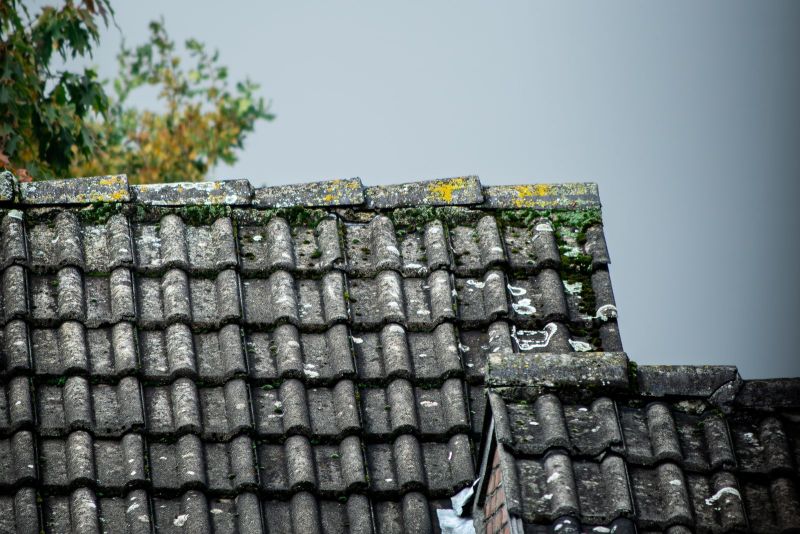
The Met Office climate data for South West England confirms the region is among the wettest and mildest parts of lowland England - and mild matters as much as wet. Frost that would kill off surface growth further north rarely bites hard enough here, so moss keeps growing through much of a Somerset winter. On top of that, concrete tiles on 1950s-70s estates are more porous than modern equivalents, and that slightly rough, absorbent surface is exactly what moss spores latch onto. Around 60-70% of the roof-cleaning enquiries local roofers get involve north or east-facing slopes for this reason.
If your slopes are greening up and you're not sure how far it's gone, Roof Repairs Taunton can take a look and tell you honestly whether it's a cosmetic job or something that's started lifting tiles.
Moss Versus Algae Versus Lichen - They're Not the Same Problem
People lump all roof growth together, but the three common types behave very differently and need different treatment.
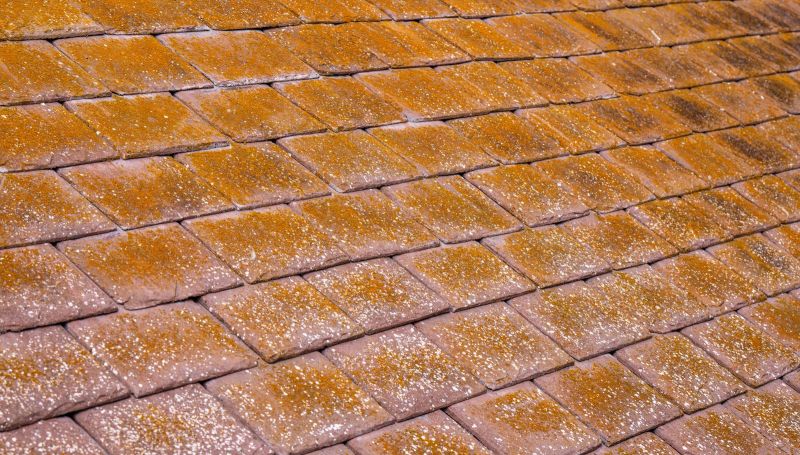
Algae is the black or dark-green staining you see streaking down tiles - it's a surface film, mostly cosmetic, and the easiest to treat with a biocide wash. Moss is the thick spongy green cushion that builds up in the gaps between tiles and along the bottom edges; it's the one that causes real damage because it holds water and physically wedges tiles apart. Lichen is the crusty grey-green patch that bonds hard to the tile surface and is the most stubborn of the lot - it can take repeat biocide applications over several months to fully die back.
Getting the identification right saves money. Paying for a full moss scrape when you've actually got a light algae film is over-treating; ignoring thick moss because "it's just a bit of green" is how a £300 clean becomes a £900 repair once tiles start slipping.
The Removal Methods That Actually Work
There are three mainstream approaches, and they suit different situations. Knowing the difference stops you overpaying or, worse, letting someone loose with a pressure washer.
Soft Washing and Biocide Treatment
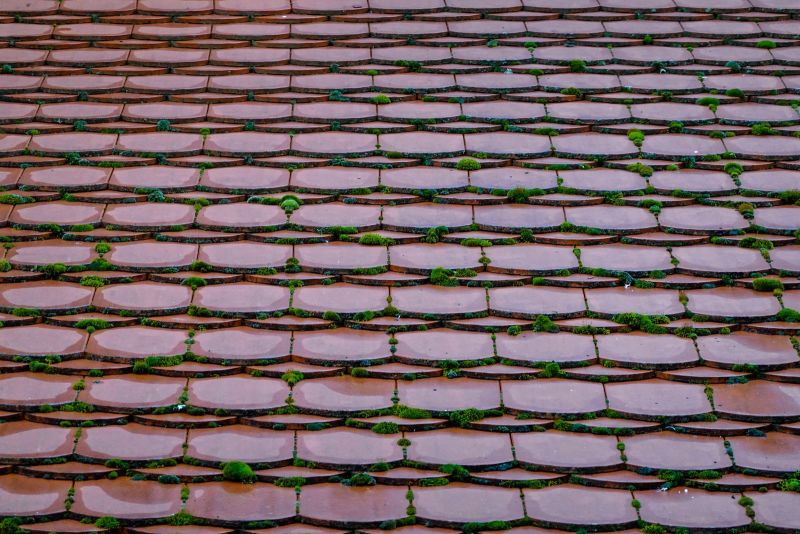
The gold-standard method for most Taunton roofs is a low-pressure or hand application of a biocide, left to work over weeks. It kills moss, algae, and lichen at the root without hammering the tile surface, and the dead growth then weathers off naturally over the following months. Expect £250 - £500 for an average semi. It's slower to show results - you won't get an instant sparkling roof the same day - but it's by far the gentlest on tiles that are already decades old.
Manual Scraping and Brushing
For thick moss build-up, a roofer will physically scrape and brush the slopes clean, usually followed by a biocide to slow regrowth. This gives an immediate visible result and clears the gutters of debris in one go. It's more labour-intensive, so costs typically run £400 - £700 depending on roof size and access. Done properly by hand it's safe; the risk is a careless operator dislodging or cracking brittle tiles, so it's a job for someone who knows older Somerset roofs.
Why Pressure Washing Is Usually a Mistake
High-pressure jet washing looks dramatic and gets bookings because of it, but on most pitched roofs it does more harm than good. It strips the protective granular surface off concrete tiles, forces water up under the laps, and can shorten a tile's remaining life by years. The NFRC and most reputable roofers advise against it for exactly these reasons. If someone quotes you a suspiciously cheap "jet wash the whole roof" job, that's a reason to keep looking, not to book.
What Roof Moss Removal Costs in Taunton
Prices vary with roof size, pitch, access, and how far the growth has gone, but these are realistic 2026 ranges for the Taunton area:
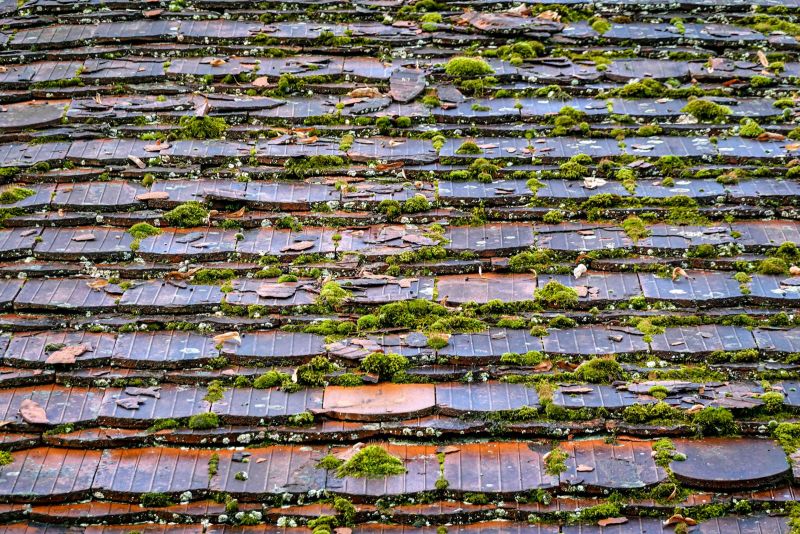
Biocide soft wash, average 3-bed semi: £250 - £500.
Manual scrape, brush, and treat, average semi: £400 - £700.
Full clean and treatment, larger detached roof: £800 - £1,200.
Gutter clear as part of the job: often £60 - £120 on top, or included.
Scaffold or access tower where ladders won't reach safely: add £400 - £800.
Ongoing biocide-only top-up treatment (annual): £120 - £250.
Access drives the bill as much as the roof area does - a straightforward bungalow costs a fraction of a three-storey Victorian terrace where scaffold is the only safe option. It's worth combining a clean with any other roof work: if a roofer is up there checking flashings or ridge tiles anyway, adding a moss treatment costs far less than a separate visit. For an idea of what related repairs run to, our guide on slipped and loose roof tiles in Taunton covers the costs moss can lead to if it's left.
The Real Damage Moss Does If You Leave It
Moss on a roof isn't only an eyesore, and this is where the false economy of ignoring it shows up. A saturated moss cushion holds water against the tile and the mortar bedding indefinitely, and constant damp accelerates the freeze-thaw cracking that Taunton's 20-30 light frosts a season already cause.
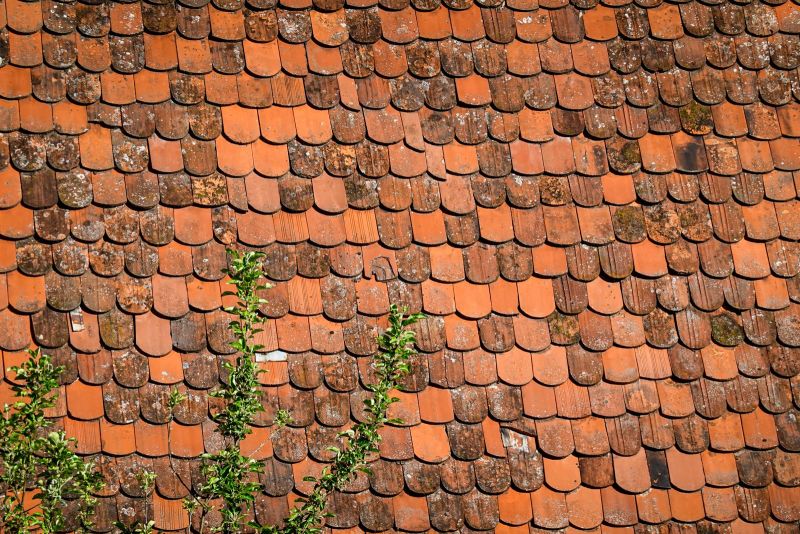
The bigger issue is what breaks off. Moss and fragments wash down into the gutters every time it rains, and blocked gutters back up under the tiles at the eaves - one of the most common routes for water to get into a Somerset loft. Roofers reckon a large share of eaves-level damp problems trace back to gutters choked with roof debris. There's a weight factor too: a heavily mossed slope can carry an extra 50-100kg of waterlogged growth, load the original fixings were never sized for. Clearing it every few years is cheap insurance against far dearer repairs.
Stopping It Coming Back
Cleaning a roof is only half the job - without prevention, moss is back within two to three years in Taunton's climate. The good news is prevention is cheap and mostly passive.
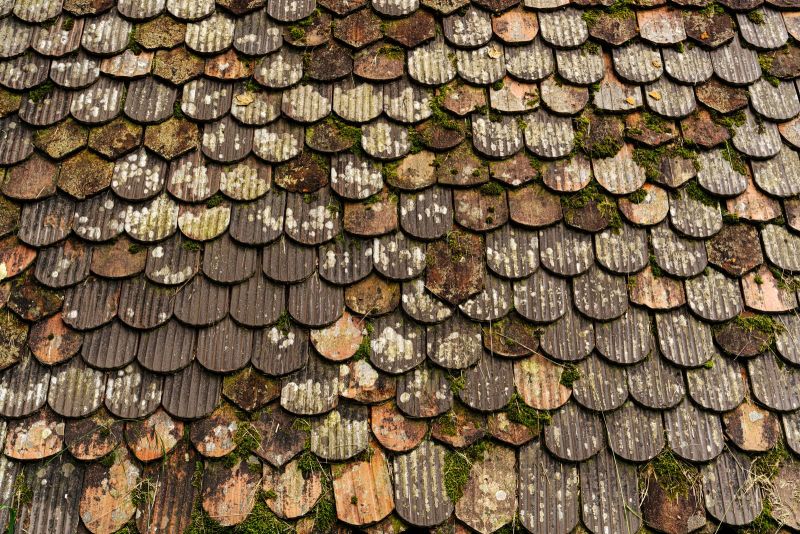
Fitting a copper or zinc strip along the ridge is the classic trick: every time it rains, trace amounts of metal wash down the slope and suppress regrowth. It's not magic and works best on the upper slopes, but it noticeably slows things for very little outlay. Keeping gutters clear, cutting back overhanging branches that keep slopes shaded, and a light biocide top-up every year or two will keep most roofs looking clean far longer.
If you'd rather not think about it, some Taunton roofers offer a simple maintenance arrangement - an annual biocide spray and gutter check. For a roof that greens up fast on a north-facing slope, that's usually cheaper over ten years than paying for a full scrape every few winters. Whoever you use, check they're a member of the National Federation of Roofing Contractors or registered with the government-endorsed TrustMark scheme, so you've got a route to redress if the work isn't up to scratch.
FAQ
Q: How much does it cost to remove moss from a roof in Taunton?
A: A biocide soft wash on an average 3-bed semi in Taunton typically costs £250 - £500. A manual scrape, brush, and treat runs £400 - £700, and a full clean on a larger detached roof can reach £800 - £1,200. Scaffold access, where needed, adds £400 - £800.
Q: Does pressure washing damage roof tiles?
A: Yes, on most pitched roofs it does. High-pressure jetting strips the protective surface off concrete tiles and forces water up under the laps, shortening tile life. Reputable roofers and the NFRC advise a low-pressure biocide soft wash instead, which kills growth at the root without damaging the tile.
Q: How often does a Taunton roof need moss treatment?
A: In Taunton's mild, wet climate moss usually returns within two to three years of a clean. A light annual or biennial biocide top-up, plus keeping gutters clear and branches cut back, keeps most roofs clean far longer than a one-off scrape.
Q: Is roof moss actually a problem or just cosmetic?
A: Thick moss is a genuine problem, not just cosmetic. It holds water against tiles and mortar, worsens frost cracking, adds significant weight, and washes into gutters where it causes eaves-level leaks. Thin algae staining is largely cosmetic, but moss build-up should be dealt with before it lifts tiles.
Q: Can I remove roof moss myself?
A: You can brush light growth from a safe ladder, but working on a pitched roof is genuinely dangerous and easy to damage brittle older tiles. For anything beyond the lowest edge, and for any biocide treatment on Taunton's decades-old concrete tiles, it's safer and usually cheaper long-term to get a local roofer in.
Ready to work with Roof Repairs Taunton?
Let's connect! We’re here to help.
Send us a message and we’ll be in touch.
Or give us a call today at 01823 746216
Agency Contact Form
More Marketing Tips, Tricks & Tools