Skylights and Roof Windows in Taunton: Costs and What's Involved
A roof window is one of the few home improvements that changes how a room feels the moment it goes in. Fitting a standard Velux-type window into a pitched roof in Taunton usually costs £900-£2,000 installed depending on size and access, while a flat roof lantern over a kitchen extension starts around £1,800 and can pass £4,000. The reason people keep spending it is simple: a roof window delivers roughly twice the daylight of a vertical window of the same area, because it faces open sky rather than the house next door. That matters in Somerset, where we average only about 1,600 hours of sunshine a year and see rain on 130-150 days. Getting one fitted properly is a genuine roofing job though, not a window job, and the difference shows the first time an Atlantic front hits. Here is what it costs, what is actually involved, and what the rules say.
What Skylights and Roof Windows Cost in Taunton
Prices for roof windows vary more than most roofing work because the product range is huge and the labour depends entirely on what is behind the plaster. A quote that looks cheap usually means someone has not been in the loft yet. If you are weighing up a rooflight on a pitched or flat roof, Roof Repairs Taunton can look at the structure first and give you a figure that includes the bits people forget.
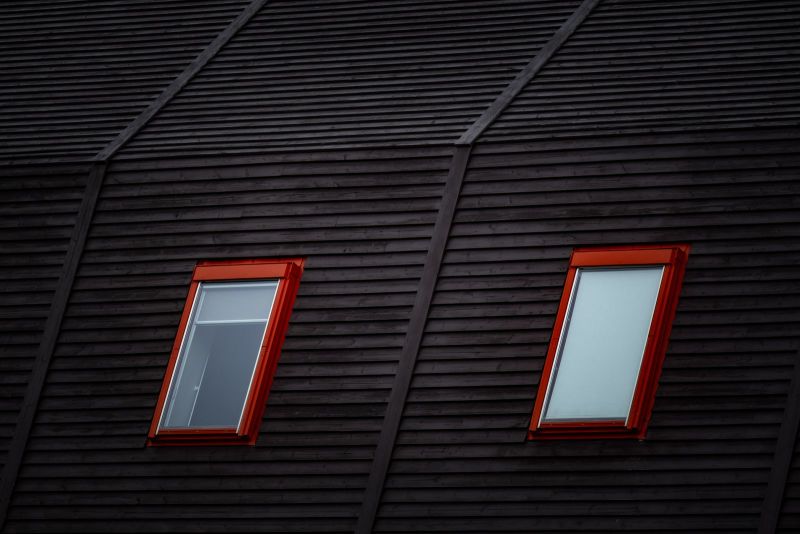
For a pitched roof, a standard centre-pivot roof window measuring roughly 780mm x 1180mm costs £350-£700 for the unit, with installation adding £400-£900. Total installed is usually £900-£1,600. Go up to a large 1140mm x 1180mm unit and you are looking at £1,400-£2,000. Electric opening adds £250-£500, integrated blinds another £150-£350, and a solar-powered opener around £400. On flat roofs, a fixed rooflight runs £800-£1,800 installed, while a full lantern over an extension is £1,800-£4,500. Where the window is wider than the existing rafter spacing, structural trimming adds £200-£600 because a proper timber trimmer has to be built in. Roughly 6 in 10 of the roof windows we fit need some trimming work.
Roof Window, Skylight, or Rooflight - What's the Difference
The three terms get used interchangeably by almost everyone, including plenty of installers, but they are not the same product and picking the wrong one is an expensive mistake.
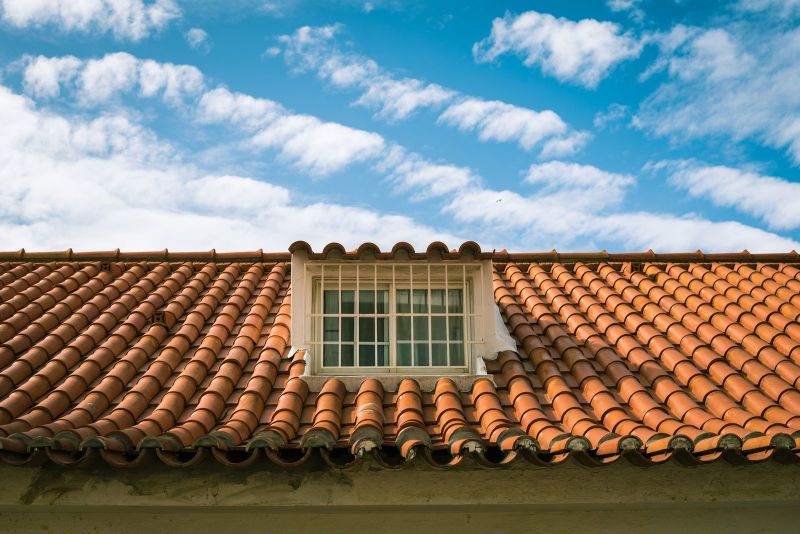
A roof window is designed for pitched roofs between about 15 and 90 degrees, opens for ventilation, and sits in the plane of the roof covering with a flashing kit around it. A rooflight or skylight is generally a fixed unit for flat or very low-pitched roofs, sitting on a kerb that raises it above the roof surface. A lantern is a multi-pane pitched structure over a flat roof, usually for kitchen extensions, giving far more glass area and typically 25-40% more daylight than a flat rooflight of the same footprint. The kerb detail matters enormously in Taunton, because a fixed rooflight installed flat with no upstand on a roof that already ponds after heavy rain is a leak waiting to happen.
Flat Roof Lanterns and Domes
Lanterns look brilliant and they do bring a lot of light, but they lose more heat than a flat rooflight because there is more glass and more frame. A decent lantern achieves a whole-unit U-value of around 1.2-1.5 W/m²K, compared with 1.0-1.3 for a good fixed rooflight. Polycarbonate domes are the budget option at £250-£600, though they yellow and go brittle within 10-15 years in UV, and they are noisy in the sort of downpours we get here. Glass units last 25 years or more and are quieter, which on a Somerset kitchen roof is worth paying for.
What's Actually Involved in the Installation
A roof window installation is a controlled hole in a watertight surface, and the whole job is about how that hole is sealed. A typical single pitched-roof window takes one to two days for two people.
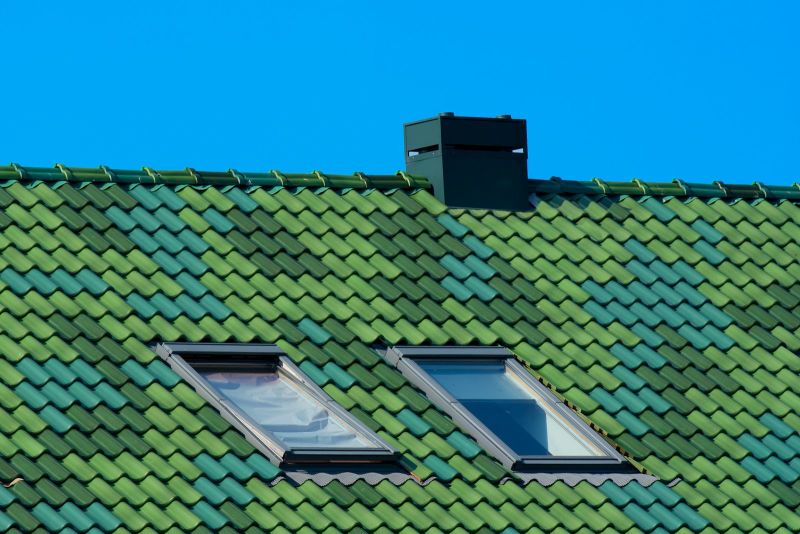
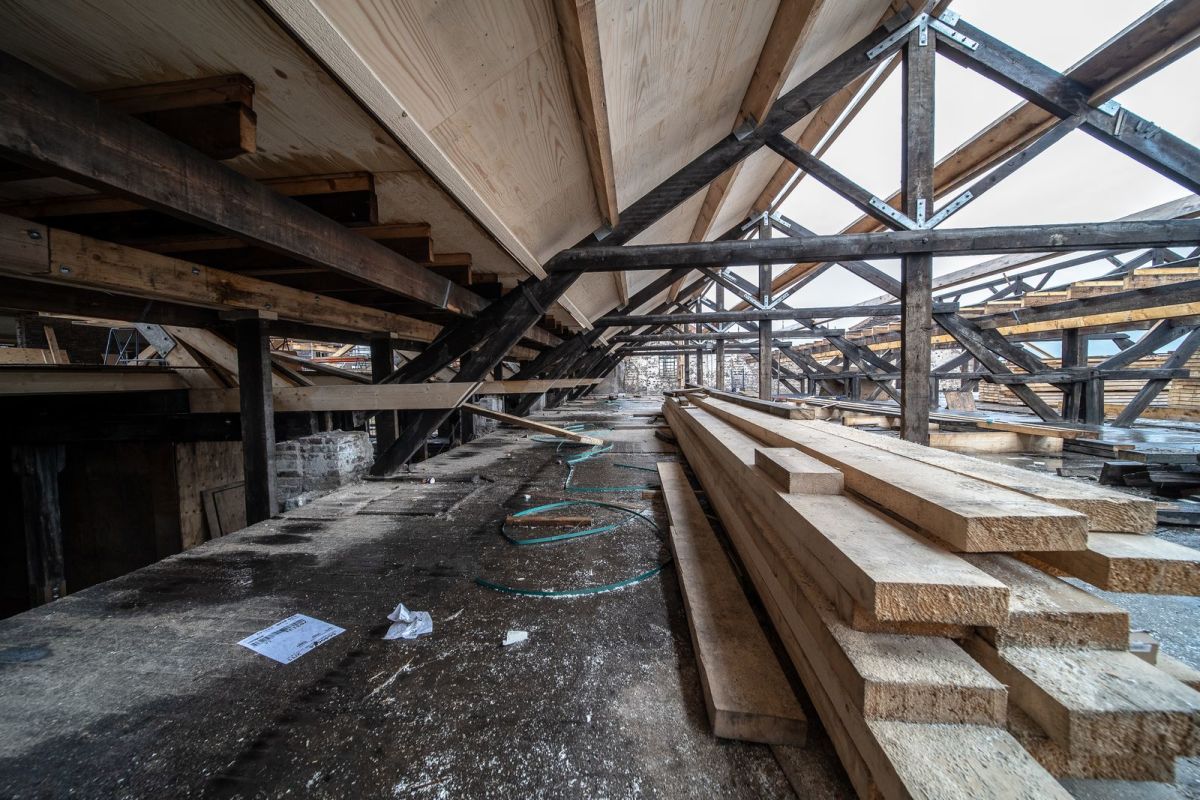
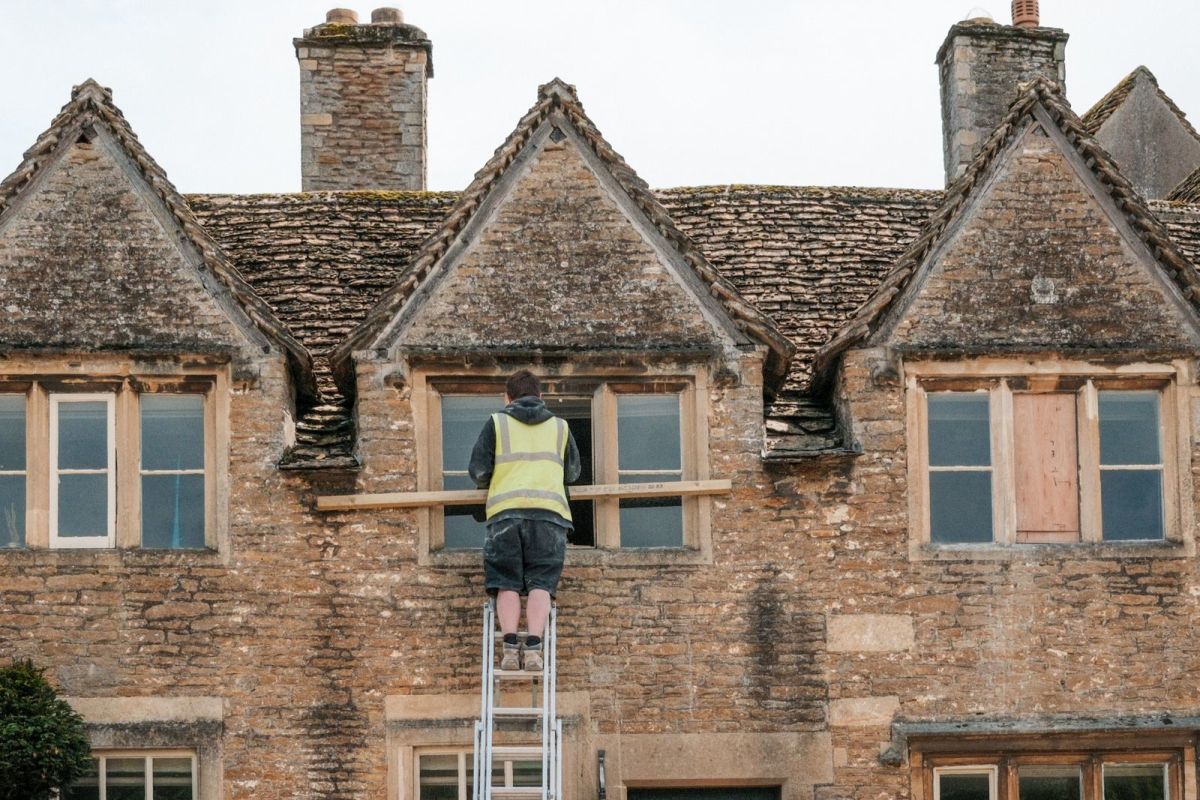
The sequence runs roughly like this: the tiles or slates come off around the opening, the felt is cut back, the rafters are trimmed and a timber frame built to the exact unit size, the window frame is fixed and levelled, the flashing kit is dressed in, the coverings are reinstated, then the internal reveals are plastered and finished. The plastering is the part homeowners forget to budget for and it usually adds £150-£400. Access is the other cost driver - if the window is on a second-floor rear slope, scaffold can add £400-£900 on its own, and in the tighter terraced streets around central Taunton a tower often will not fit, so scaffold is not optional.
Flashing Kits and Why They Matter Here
The flashing kit is the single most important component and the one cheapest installers skimp on. It has to match both the window and the roof covering, because a kit for interlocking concrete tiles is a completely different profile from one for natural slate, and using the wrong one leaves gaps that wind-driven rain finds within a season. Somerset gets that wind-driven rain in quantity, coming off the Blackdowns and Quantocks on prevailing south-westerlies. Lead soakers and correct side flashings do the same job here as they do around a chimney, and the failure modes are identical - we go into that in more detail in our guide to lead flashing repairs in Taunton and what they cost. Insist the quote names the specific flashing kit code.
Planning Permission and Building Regulations
Most roof window installations in Taunton need no planning permission at all, which surprises people, but they do need to satisfy building regulations. The two are separate things and installers occasionally conflate them.
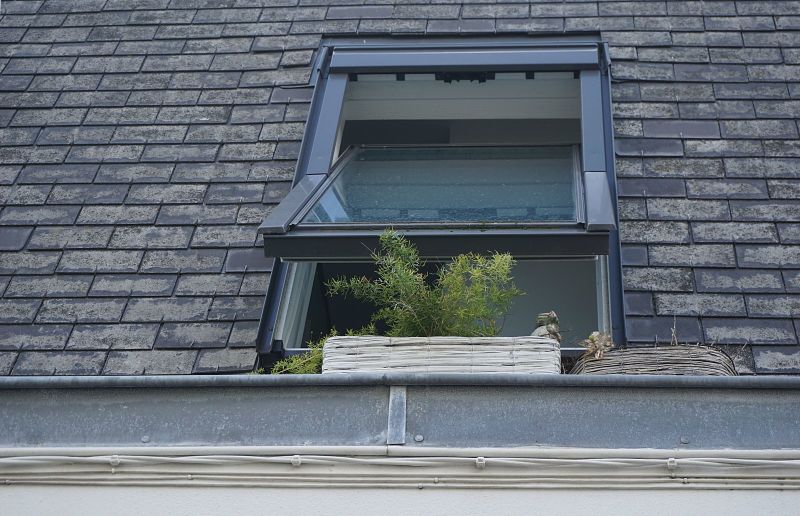
Under permitted development, a roof window generally does not need planning permission provided it projects no more than 150mm from the plane of the existing roof slope and does not sit higher than the highest part of the roof. Side-facing windows must be obscure-glazed and, if openable, fixed shut below 1.7 metres from the floor. The Planning Portal's guidance on roof alterations and skylights sets out the conditions clearly. The exceptions matter in Taunton: if you are in a conservation area or the property is listed, permitted development rights are often restricted and you should check with Somerset Council before ordering anything. Building regulations apply regardless, covering structural trimming of rafters, thermal performance, and safety glazing. New windows generally need to achieve a U-value of 1.4 W/m²K or better, set out in Approved Document L on conservation of fuel and power.
Escape Windows and Loft Conversions
If the roof window is going into a loft conversion, at least one window per floor usually has to double as a means of escape. That means a clear opening of at least 450mm wide by 450mm high, a minimum openable area of 0.33m², and the bottom of the opening between 800mm and 1100mm above the floor. Escape-rated units cost 15-25% more than standard ones. This gets missed on DIY-ish conversions constantly and it will fail sign-off.
Condensation, Glazing, and Somerset's Damp Air
Roof windows condense more readily than vertical windows because warm moist air rises and collects at ceiling level, and in a county with the humidity levels we get, that is not a minor detail.
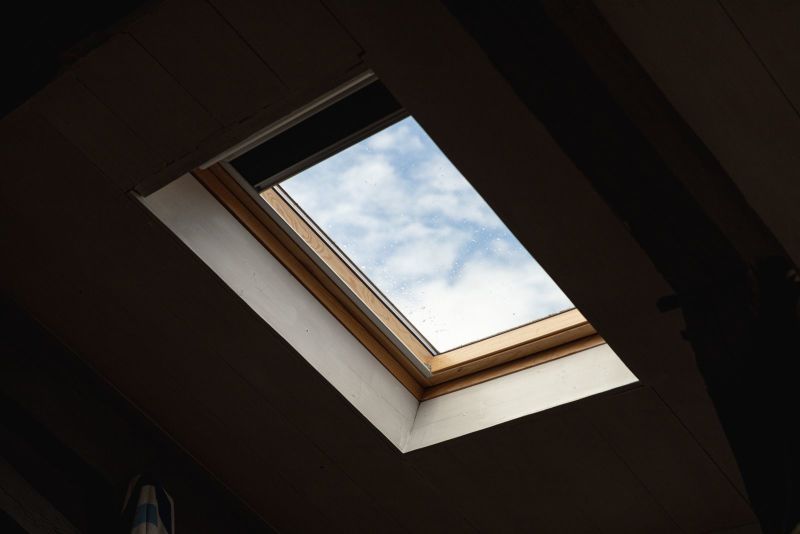
Taunton's winters are mild and wet rather than cold, with relative humidity often sitting above 85% for weeks at a time. A double-glazed roof window with a decent warm-edge spacer will still stream with condensation on a January morning if the room below is a bathroom or kitchen with no extract. Triple glazing improves the unit U-value to around 0.8-1.0 W/m²K and reduces the problem, at a 20-35% premium on the unit price. The cheaper and more effective fix is usually ventilation - a trickle vent in the window head, an extract fan sized correctly for the room, and the discipline to open the window for ten minutes a day. Fitting the window with its head at least 200mm below the ridge also helps air circulate rather than stagnate in a pocket.
Leaks and Common Problems - and How to Avoid Them
Roof windows have a reputation for leaking, and it is largely undeserved. In our experience the unit itself is almost never at fault - it is the installation detail around it.
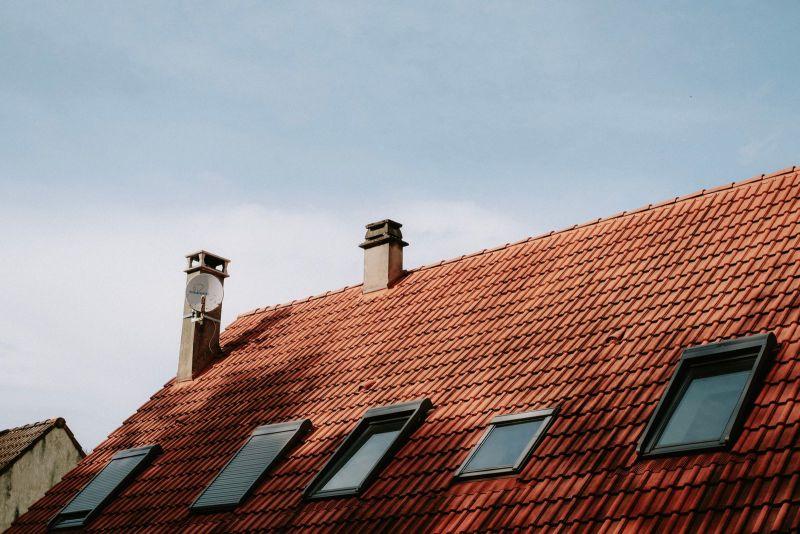
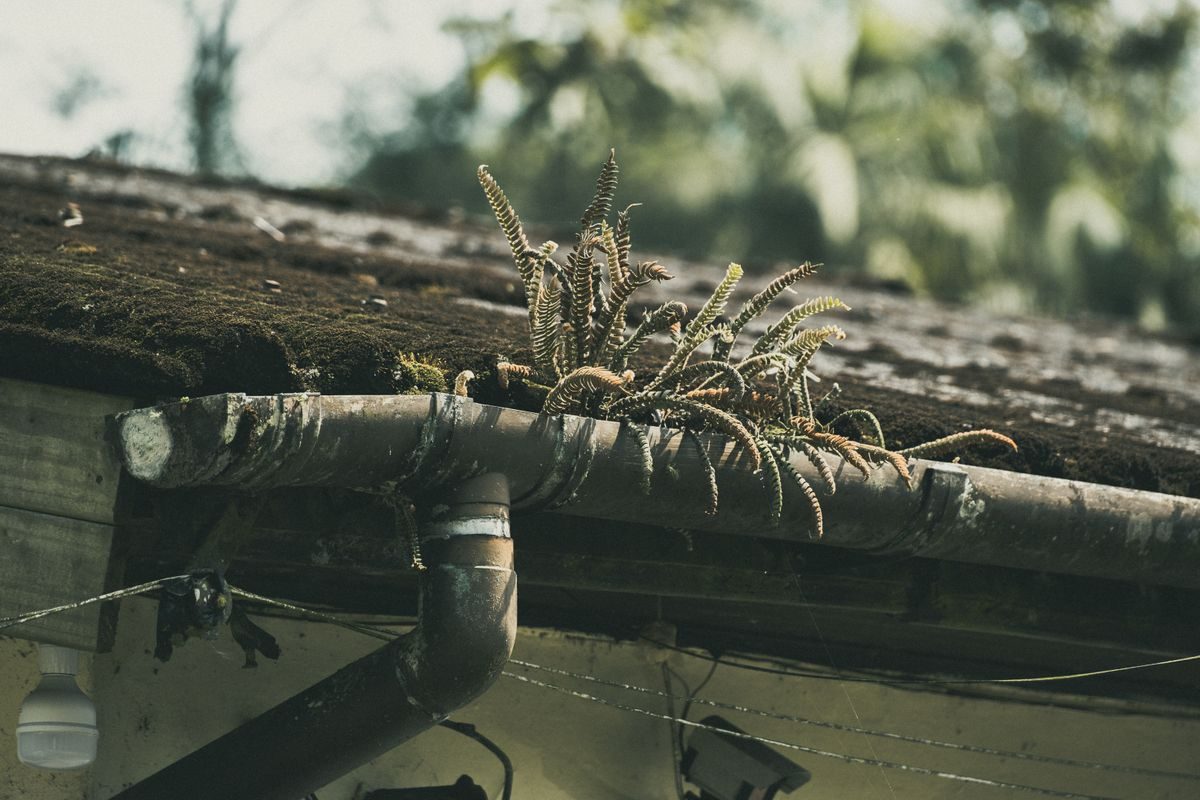
The faults we get called to, in rough order of frequency: flashing kit fitted for the wrong covering profile, underfelt cut back too far or not dressed into the frame, the window set too low on the slope so there is insufficient tile course below it for water to run off, and simple debris blockage where moss and leaves build up on the upslope side. That last one is a Taunton speciality given how well moss grows in this climate - we recommend clearing the upslope gutter of a roof window twice a year. A properly fitted roof window should be watertight for 20-25 years, and most manufacturers back the unit with a 10-year guarantee, though that guarantee is usually void if the specified flashing kit was not used.
Choosing an Installer and Getting Quotes
Roof windows sit awkwardly between trades, which is why the workmanship quality varies so much. A window fitter who does not really do roofs, or a general builder who fits one a year, is where the problems start.
Use a roofer. Check they are a member of a recognised trade body such as the National Federation of Roofing Contractors, which vets member firms on workmanship and financial standing. Get three written quotes and check each one specifies the exact unit model and size, the flashing kit code, whether structural trimming is included, who does the plastering and decorating of the reveals, and whether access costs are in or extra. Quotes for identical work in the Taunton area routinely vary by 30-40%, and the gap is almost always in scaffold and making good rather than the window itself. Somerset has plenty of capable roofing firms but genuine rooflight experience is thinner on the ground, so ask how many they fitted last year - anyone doing fewer than a dozen is learning on your roof.
FAQ
Q: How much does it cost to fit a roof window in Taunton?
A: A standard pitched-roof window around 780mm x 1180mm typically costs £900-£1,600 installed, and a larger 1140mm x 1180mm unit £1,400-£2,000. Flat roof rooflights run £800-£1,800 installed and full lanterns £1,800-£4,500. Structural trimming adds £200-£600 and scaffold can add £400-£900 on higher or terraced properties.
Q: Do I need planning permission for a skylight in Taunton?
A: Usually not. Roof windows normally fall under permitted development provided they project no more than 150mm from the roof slope and sit no higher than the existing ridge, with obscure glazing on side-facing units. Conservation areas and listed buildings in Taunton often have those rights restricted, so check with Somerset Council first. Building regulations apply either way.
Q: Do roof windows leak?
A: Rarely because of the window itself. Almost every leak we attend traces back to the installation - the wrong flashing kit for the roof covering, underfelt not dressed into the frame, or the window set too low on the slope. A correctly fitted roof window should stay watertight for 20-25 years, and manufacturers typically guarantee the unit for 10 years provided the specified flashing kit was used.
Q: Why do roof windows get so much condensation in Somerset?
A: Warm moist air rises and collects at ceiling level, and Taunton's mild wet winters push indoor humidity above 85% for weeks on end. Double glazing alone will not stop it in a bathroom or kitchen. Trickle vents, a correctly sized extract fan, and triple glazing at a 20-35% premium all help, but ventilation does more than glazing upgrades in most cases.
Want to learn more about skylight and roof window installation in Taunton? Click here to contact us.
Ready to work with Roof Repairs Taunton?
Let's connect! We’re here to help.
Send us a message and we’ll be in touch.
Or give us a call today at 01823 746216
Agency Contact Form
More Marketing Tips, Tricks & Tools